How to Choose a Pajama Manufacturer for Your Sleepwear Brand ?
Choosing the right pajama manufacturer is not simply a matter of comparing unit prices. For a sleepwear brand, the right manufacturing partner should be able to translate your design into the correct fabric, fit, construction, branding and production standard—and repeat that result consistently in bulk production. Before placing an order, brands should evaluate a manufacturer's sleepwear experience, fabric knowledge, sampling process, customization capability, minimum order quantity (MOQ), quality control, production lead time, communication and compliance support. The best choice is not necessarily the factory offering the lowest price or the lowest MOQ. It is the manufacturer whose capabilities match your product, order size, quality expectations and growth plan. A sleepwear brand should evaluate a potential pajama manufacturer against at least these eight areas: A manufacturer should also be able to explain how each part of the process is controlled—not simply say that it can be done. Before comparing manufacturers, define what you actually want to produce. A factory that is suitable for a basic cotton pajama set may not automatically be the best partner for a printed satin collection, modal loungewear or a highly customized private label program. Prepare as much information as possible about: If you already have a tech pack, reference sample or technical drawing, include it in your initial inquiry. If you do not yet have complete specifications, look for a custom sleepwear manufacturer that can support product development rather than simply asking for a finished production file. A fabric name alone is rarely enough to define a pajama product. Two fabrics with similar fiber compositions can create noticeably different garments because fabric construction, weight, finishing, stretch, recovery and drape all influence the final result. This is why fabric selection should be evaluated together with garment design and fit. General apparel production experience is useful, but sleepwear presents its own product-development considerations. Ask potential suppliers what types of sleepwear they regularly produce. For example: Then go deeper. Instead of asking: "Can you make pajamas?" ask: "What fabric construction would you recommend for this silhouette?" or: "How would you control an all-over print across the top and bottom of this pajama set?" The quality of the answer often tells you more than a factory presentation. A capable sleepwear manufacturer should be able to discuss not only sewing, but also fabric behavior, garment construction, fit, print placement, finishing and bulk-production considerations. Fabric selection has a major influence on the appearance and wearing experience of sleepwear. Depending on the collection, brands may consider materials such as: But choosing a fiber is only the beginning. You should also discuss: A good custom pajama manufacturer should help you narrow down suitable materials based on the actual product rather than recommending the same fabric for every design. Ask: If material certification is important to your project, verify the exact scope rather than relying only on a supplier's general claim. For example, OEKO-TEX® STANDARD 100 applies to textile products that have been tested for harmful substances, and certification should be checked for the relevant product or material. (OEKO-TEX) To compare cotton, modal, viscose, satin and other materials side by side, browse our sleepwear fabric options before starting development. Sampling is one of the most important stages when evaluating a new pajama manufacturer. A sample allows you to examine much more than sewing quality. It can reveal whether the manufacturer correctly understands: Before sampling begins, clarify what information the manufacturer needs and what will be confirmed at each stage. A typical development process may include: Design Review → Fabric Selection → Technical Review → Sample Development → Fit Review → Revision → Sample Approval → Bulk Production Do not judge the supplier only by how fast the first sample can be made. More important questions are: For all-over printed pajamas, approving artwork on a computer screen is not the same as approving the finished garment. Pattern scale, repeat direction, placement and alignment can look different once the fabric is cut into sleeves, collars, pockets, fronts and backs. These details should be reviewed through fabric or garment samples before bulk production. If your team needs support structuring this process, our product development service covers design review, fabric selection, technical review and sample approval. For brands building a collection from scratch, ODM sleepwear development keeps design, fabric and sampling under one program. MOQ should always be discussed in detail. Do not stop at: "Our MOQ is 100 pieces." Ask whether the minimum refers to: The actual MOQ may also change depending on whether you use: For example, a garment manufacturer may be able to sew a relatively small production quantity while the fabric mill requires a larger quantity for custom dyeing or printing. That distinction matters. At KoalaPurr, standard projects generally start from 100 pieces per style per color, while the actual requirement can vary according to fabric, customization and production conditions. Brands should therefore compare the complete MOQ structure of each pajama manufacturer rather than choosing a supplier based only on a headline minimum. A lower quotation does not automatically mean a lower total production cost. When comparing manufacturers, check what each quotation includes. Possible cost components include: Also confirm whether the quotation is based on the same: Otherwise, two prices may appear comparable even though the products are not. A useful quotation should make it possible to understand what is being supplied and which changes could affect the final price. Quality should not be checked only after the entire order has been completed. Ask how the factory manages quality from material preparation through final packing. Depending on the project, relevant checks may include: Review fabric appearance, shade, defects and other material issues before cutting. Check key construction details during sewing rather than waiting until the end of production. Review measurements, workmanship, appearance, labels and finishing. Confirm folding, labeling, packaging and carton requirements. Ask the manufacturer: The goal is not simply to hear that the factory has "strict QC." You should understand where the inspections occur and what is actually checked. If you are building a branded sleepwear collection, confirm whether the manufacturer can support the specific customization you need. This may include: Also ask whether these elements are handled internally or through specialist suppliers. For a closer look at what is involved, review our sleepwear printing and customization techniques before finalizing your program. A strong private label pajama manufacturer should coordinate these components as part of one development program rather than treating every item as an isolated add-on. Compliance requirements depend on what you sell and where you sell it. For the United States, the Federal Trade Commission states that most textile products must disclose fiber content, country of origin and the identity of the manufacturer or another responsible business. The FTC's Care Labeling Rule also requires manufacturers and importers of textile wearing apparel to provide appropriate care instructions. (Federal Trade Commission) This means brands should discuss labeling requirements early enough for them to be incorporated into product development and packaging. If your collection includes children's sleepwear, do not treat it as simply a smaller version of adult pajamas. The U.S. Consumer Product Safety Commission maintains specific children's sleepwear flammability requirements. Covered garments generally must meet applicable flame-resistance requirements or qualify as tight-fitting garments under specified criteria. (U.S. Consumer Product Safety Commission) For any regulated market, brands should confirm the requirements that apply to the specific product category before production. A manufacturer can support documentation and production preparation, but the brand or importer should still verify which legal requirements apply to the final product and market. Fast production sounds attractive, but unrealistic promises can cause bigger problems later. Ask separately about: At KoalaPurr, sampling typically takes around 7–14 days, while bulk production is commonly around 24–30 days after the required approvals. For brands planning OEM sleepwear production, these timings form the basis of the launch calendar. Actual timing can change according to fabric availability, customization, order quantity, production scheduling and how quickly samples or materials are approved. For this reason, brands should build the launch calendar around approval milestones, not simply the factory's sewing time. Good manufacturing depends on good information. Before committing to a supplier, notice how they handle your initial project. Are they asking useful questions? Do they clarify unclear specifications? Do they record revisions? Do they explain limitations before production? Do they distinguish confirmed information from estimates? Strong communication is especially important when working across different countries and time zones. A responsive sales representative is helpful, but what matters more is whether information moves accurately between: Brand → Product Development → Fabric Supplier → Sample Team → Production → Quality Control If information gets lost between these stages, a fast response time alone will not protect the project. You do not need every manufacturer to own every process. Many apparel supply chains involve specialist fabric mills, printing facilities, embroidery suppliers, trim suppliers and packaging suppliers. The more important question is whether the manufacturer clearly explains: Transparency allows a brand to understand where the risks are. Be cautious when a supplier says yes to every request without asking about fabric, construction, quantity, artwork, quality expectations or timeline. Good manufacturing usually begins with more questions, not fewer. Use this checklist when comparing potential suppliers: A supplier deserves closer review if: One red flag does not automatically mean a supplier is unsuitable. But several unclear answers usually indicate that more verification is needed before placing a bulk order. Before you begin development, ask: The answers should help you understand whether the manufacturer fits your specific project—not simply whether it is willing to accept an order. There is no single factor that determines whether a manufacturer is right for every brand. The best fit depends on the product, fabric, customization, order quantity, quality expectations, market requirements and launch plan. Sampling capability and communication are particularly important because they show how well the supplier can translate specifications into a finished garment. Not necessarily. A lower MOQ can reduce initial inventory commitment, but brands should also compare fabric choices, customization limitations, pricing, sampling support and production consistency. Yes. For customized sleepwear, sampling allows the brand and manufacturer to confirm fit, measurements, fabric, construction, print, trims and branding before bulk production. Provide the product type, reference images or technical drawings, fabric preference, colors, size range, customization details, branding requirements, quantity and target market. A tech pack is helpful when available. A manufacturer with product-development capability can help compare suitable fabric options, but the final selection should be based on the intended garment, target hand feel, construction, season, budget and performance requirements. Contact manufacturers early enough to allow time for fabric sourcing, sampling, revisions, approvals, bulk production, inspection and shipping. The total timeline depends on the complexity of the project rather than production time alone. This guide was written by the KoalaPurr Product Development Team and reviewed by our Sleepwear Manufacturing Team. KoalaPurr is an OEM, ODM and private label sleepwear manufacturer producing women's sleepwear, robes, men's sleepwear, kids' pajamas and maternity wear for brands in North America, Europe and beyond. Our team handles the full development cycle, from fabric sourcing, pattern and fit development and sampling to bulk production, quality inspection and packaging. In-house capabilities include: Every guide in this series is based on our daily production experience with real brands. If you are evaluating a pajama manufacturer for your own collection, share your project with our team and we will help you review feasibility before you commit to sampling. Choosing a manufacturer should begin with your product requirements—not with a price list. If you are developing a pajama collection and looking for a pajama manufacturer, KoalaPurr can support fabric selection, product development, sampling, custom printing, private labeling and bulk production, and help determine a suitable approach for your project. As a women's sleepwear manufacturer and product development partner, we support brands from first sample through bulk production. Prepare your tech pack, reference sample, design drawing or product idea, and discuss the project with our sleepwear development team before moving into sampling.
Quick Answer: What Should You Look for in a Pajama Manufacturer?
1. Start With Your Pajama Product Requirements
Manufacturer's Note
2. Check Whether a Pajama Manufacturer Really Understands Sleepwear
3. Evaluate a Pajama Manufacturer's Fabric Knowledge
Questions to Ask About Fabric
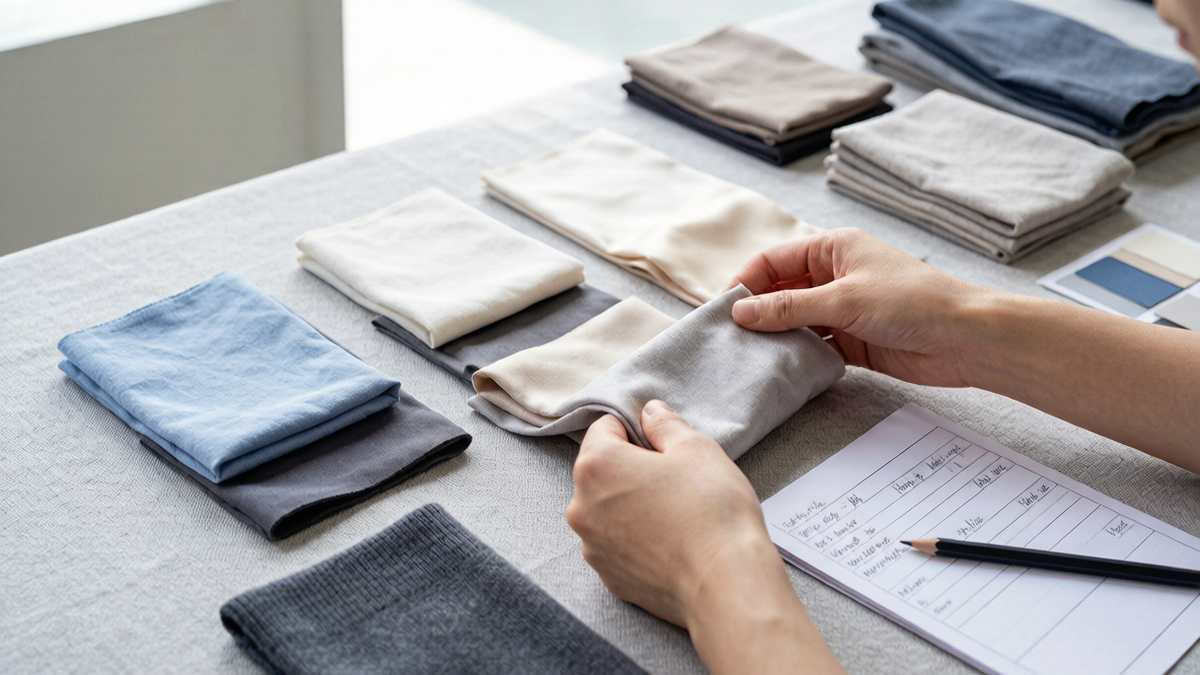
4. How Pajama Manufacturers Handle Product Development and Sampling
Manufacturer's Note

5. Understand the MOQ Structure of a Pajama Manufacturer
6. Compare Pajama Manufacturer Quotations Beyond the Unit Price
7. Examine the Pajama Manufacturer's Quality Control Process
Fabric Inspection
Production Monitoring
Finished Garment Inspection
Packaging Inspection
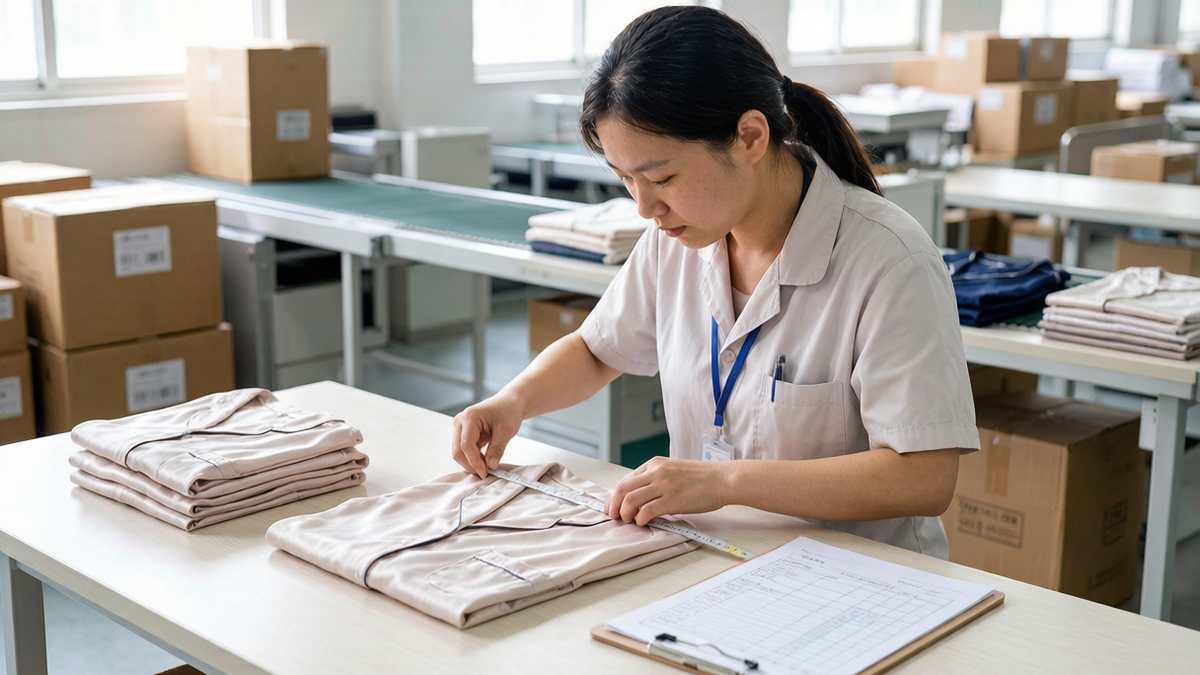
8. Check a Pajama Manufacturer's Customization and Private Label Capability
9. Confirm Labeling and Compliance Requirements With Your Pajama Manufacturer
10. Ask the Pajama Manufacturer for Realistic Sampling and Production Lead Times
11. Evaluate How the Pajama Manufacturer Communicates Before You Place the Order
12. Look for Transparency in a Pajama Manufacturer, Not Just Promises

Pajama Manufacturer Evaluation Checklist
Area What to Confirm Sleepwear Experience Relevant pajama and loungewear products Fabric Composition, construction, GSM, sourcing and testing Development Tech pack review and product-development support Sampling Sample process, revisions and approval procedure MOQ Style/color/fabric/print minimums Pricing What is included and what changes the cost Customization Print, embroidery, trims, labels and packaging Quality Fabric, in-line, finished garment and packing checks Lead Time Sampling, material and bulk-production timing Compliance Labeling, testing and documentation requirements Communication Clear records, revisions and production updates Supply Chain Transparency around external suppliers and processes Red Flags When Choosing a Pajama Manufacturer
Questions to Ask a Pajama Manufacturer Before Sampling
Frequently Asked Questions
What is the most important factor when choosing a pajama manufacturer?
Should I choose the pajama manufacturer with the lowest MOQ?
Should I order a sample before bulk pajama production?
What should I send a pajama manufacturer for a quote?
Can a pajama manufacturer help choose fabric?
How early should I contact a sleepwear manufacturer before launch?
About KoalaPurr Product Development Team
Planning a Custom Sleepwear Collection?