KoalaPurr is a loungewear manufacturer specializing in custom pajamas, lounge sets, and robes. We support fabric selection and sampling to private label production service.
Home / All
Blog
 Why Does a Clothing Sample Cost More Than the Bulk Unit Price?Nov 17,2026A clothing sample usually costs more than a bulk unit price because the fee covers work that the order has not started yet: pattern making, material preparation and individual sewing. This guide breaks down what each price includes, explains why the same garment costs less per piece in bulk, shows how to compare a sample quote with a bulk quote across scope, trade terms and revisions, and lists the decisions that prevent paying twice for the same development work.
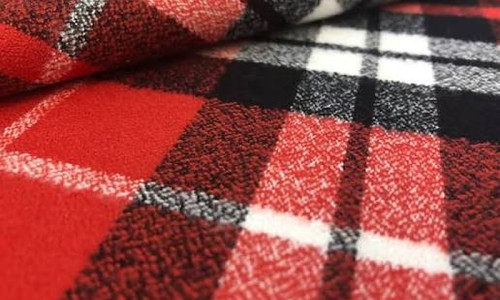
- What Is Flannel Fabric? Types, Properties, and UsesNov 16,2026Flannel is a soft, usually woven fabric with a lightly brushed surface, and it can be made from cotton, wool, synthetics or blends. This guide covers the four main types, the properties that matter when you wear it or specify it, and where flannel works best - from pajamas and robes to shirts, tailoring and bedding - plus how plaid pattern and flannel cloth are two different things.
- How Long Does It Take to Manufacture Custom Pajamas?Nov 14,2026A practical guide to custom pajama production time: sample development at 7-14 days, bulk production at 24-30 days, and the review, inspection and transport stages around them. Includes a stage-by-stage table, four checks before you start counting the clock, the details that commonly extend a schedule, and a four-step plan for working back from your target warehouse arrival date.
- Why Do Pajamas Shrink After Washing? Causes and PreventionNov 13,2026Pajamas often come back from the laundry shorter than they went in. This guide explains the real causes — fabric relaxation, washing and drying action, construction and finishing — compares how cotton, modal, viscose, polyester, silk and satin behave, and sets out a washing and drying routine that reduces avoidable shrinkage, with notes on restoring a shrunken pair and on wash testing during development.
- Top 10 Knitwear Manufacturers in the WorldNov 12,2026A practical look at ten knitwear manufacturers across China, Portugal, the UK, Italy, the US and Turkey — from fully fashioned knitting and hand finishing to seam-free whole-garment production and multi-country sourcing — with a comparison table, notes on what each one does best, and questions to ask about swatches, yarns, minimums and where the work happens.
- 8 Kids’ Pajama Manufacturers in AsiaNov 11,2026A practical look at eight kids’ pajama manufacturers in Asia — from full-package factories to knit specialists and bamboo viscose producers — with a comparison table, notes on what each one does best, and questions to ask about sizes, order breakdowns and children’s sleepwear rules.
- Cotton Poplin vs Cotton Jersey: Which Is Better for Pajamas?Nov 6,2026Both cotton poplin and cotton jersey can be labeled 100% cotton, yet they feel and behave differently. Poplin is a woven fabric with a smooth, crisp surface that holds a defined shape, while jersey is knitted and stretches naturally. This guide compares softness, movement, breathability, washing performance, and the pajama styles each fabric suits best.
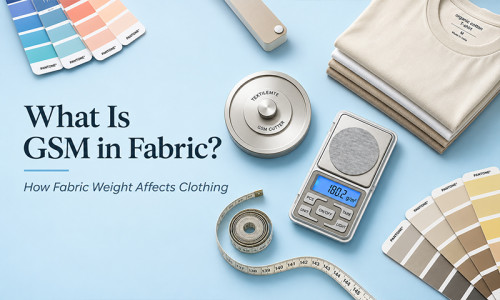
- What Is GSM in Fabric? How Fabric Weight Affects ClothingNov 4,2026GSM measures how much one square meter of fabric weighs, and that number shapes how a fabric drapes, feels and covers. This guide explains what GSM means, how the lightweight, medium and heavy bands work, how to calculate and convert it, and which ranges suit pajamas and loungewear.
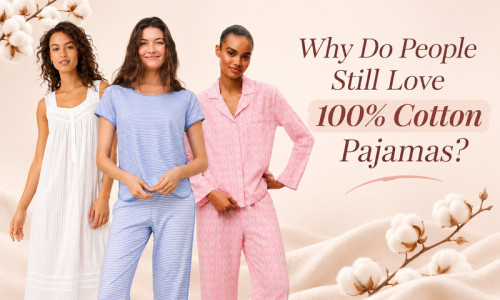
- Why Do People Still Love 100% Cotton Pajamas?Nov 2,2026Cotton still leads sleepwear preference: 72% of U.S. consumers surveyed in 2023 chose cotton for pajamas. This guide explains why cotton remains comfortable and familiar, how jersey, poplin, double gauze and flannel differ despite sharing one fiber, which construction details affect comfort, and what that preference means for sleepwear brands building cotton collections.
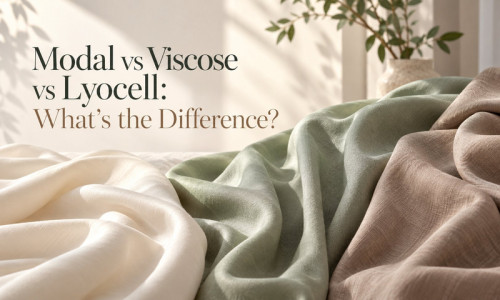
- Modal vs Viscose vs Lyocell: What Is the Difference?Oct 30,2026Modal, viscose and lyocell are all regenerated cellulose fibers, which is why they can look and feel alike. This guide compares how each one is made, how they behave in wear and washing, and which of them suits knit pajamas, flowing pajama sets and relaxed lounge styles.
- What Is a Pre-Production Sample and Why Does It Matter?Oct 29,2026A pre-production sample (PP sample or PPS) is the garment made with the fabric, trims and construction intended for bulk production. This guide explains what it should include, why it matters, how it differs from proto, fit and TOP samples, what to check before approving it, and what happens after approval.
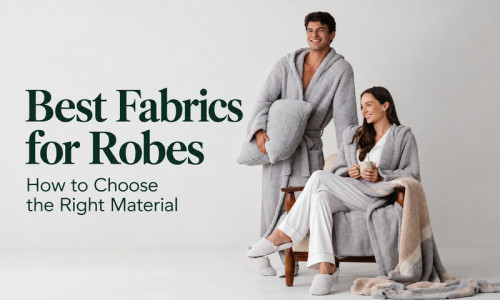
- Best Fabrics for Robes: How to Choose the Right MaterialOct 28,2026Robes do different jobs: absorb water after a shower, add a light layer over pajamas, or keep the wearer warm. This guide compares cotton terry, waffle, lightweight cotton and gauze, linen, modal jersey, silk and polyester satin, fleece and cotton flannel, and explains how weight, drape, care and cost decide which one suits your collection.


Are you looking for a reliable sleepwear manufacturer for your brand?
From product development to bulk production, we provide custom sleepwear solutions with professional support for global brands.KoalaPurr is a loungewear manufacturer specializing in custom pajamas, lounge sets, and robes. We support fabric selection and sampling to private label production service.