Design
Bring custom patterns, artwork, logos and decorative details into the finished garment.

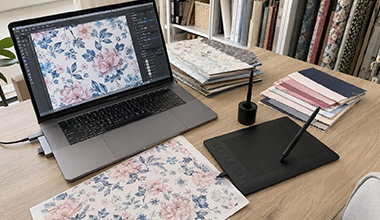
Bring custom patterns, artwork, logos and decorative details into the finished garment.
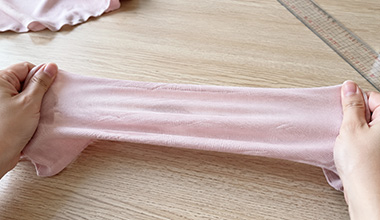
Choose applications that consider softness, flexibility and direct contact with the skin.
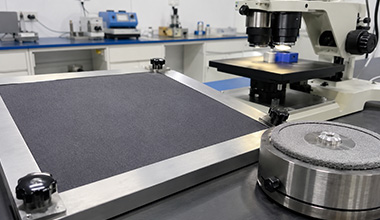
Balance visual impact with fabric stability, wash resistance and long-term performance.
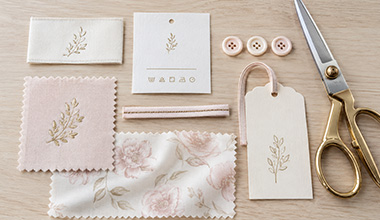
Build recognizable collections through prints, embroidery, trims, labels, buttons and coordinated garment details.
Digital fabric printing is suitable for detailed illustrations, multicolor artwork and custom repeat patterns. It allows brands to develop distinctive printed fabrics for pajama sets, sleep dresses, robes and coordinated loungewear collections.
Pajama sets, sleep dresses, robes, printed loungewear and coordinated collections.
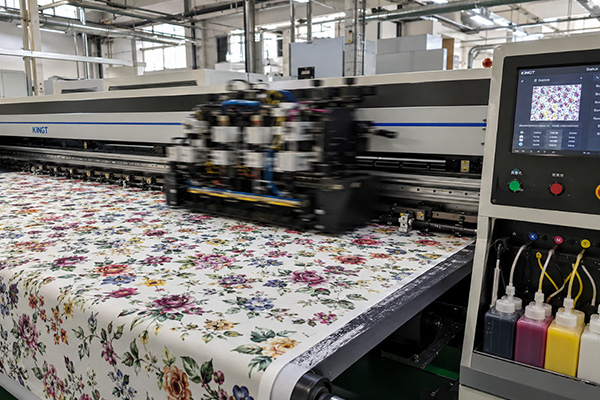
The exact printing method should be selected according to the fabric composition, surface structure, color requirements and intended hand feel.
All-over printing allows a custom pattern to cover the main fabric surface and become the central visual element of a sleepwear collection. It is commonly used for matching pajama sets, family sleepwear, seasonal collections and branded repeat patterns.
Matching pajama sets, printed robes, family sleepwear, sleep dresses and branded loungewear.

Pattern scale, placement, alignment and color balance should be confirmed through fabric or garment samples before bulk production.
Sublimation printing transfers artwork into compatible polyester-based fibers. Because the design becomes part of the fabric rather than forming a heavy surface layer, it can maintain a lightweight and smooth hand feel.
Polyester sleepwear, satin-look pajama sets, printed robes and lightweight loungewear.
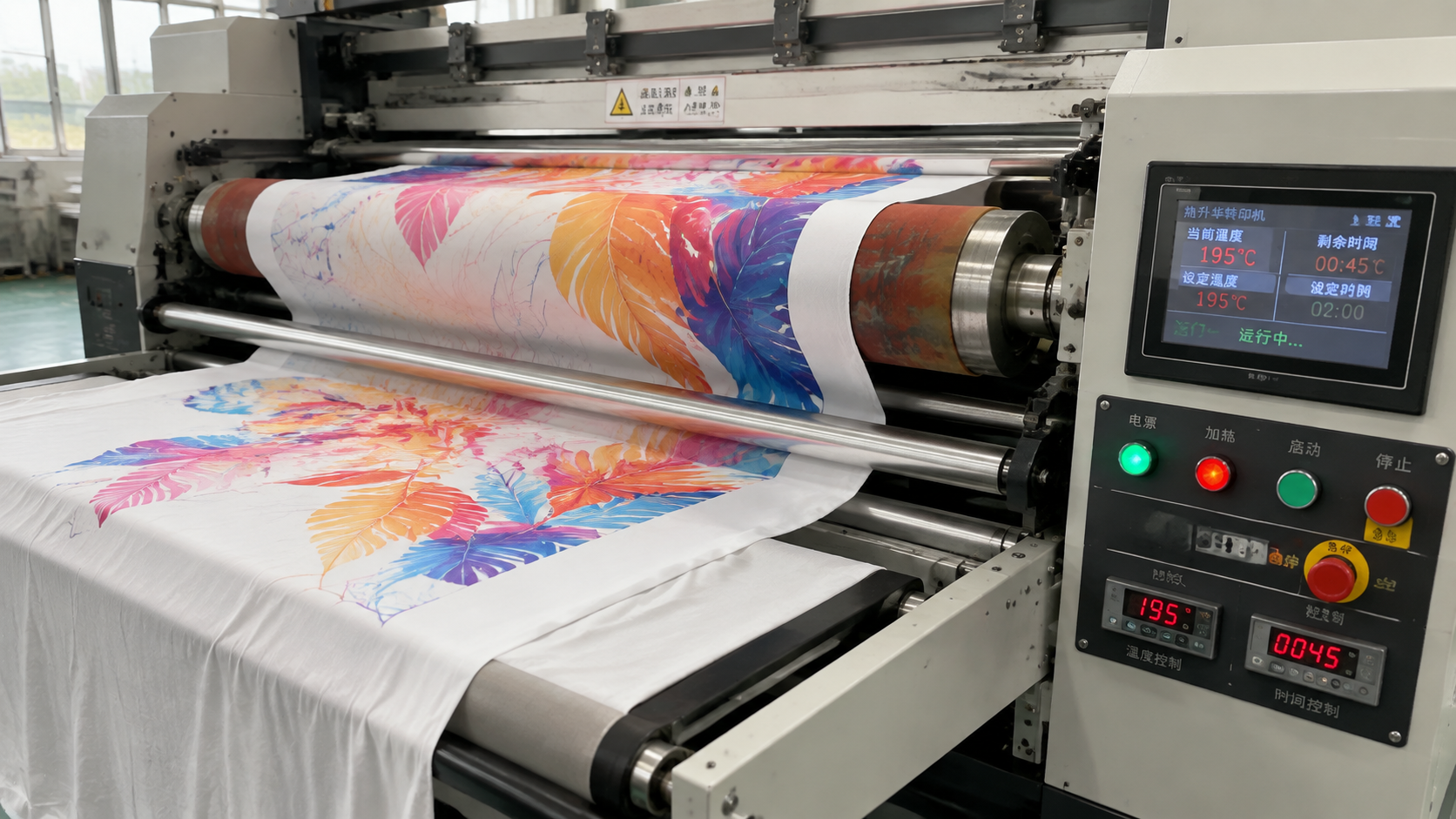
Sublimation works best on polyester-rich fabrics. Fabric composition and color results should be confirmed before production.
Heat transfer printing provides a practical way to apply logos, small graphics and garment information. Different transfer materials can offer different levels of softness, stretch, opacity and surface texture.
Pajama tops, stretch loungewear, tagless labels and selected branded details.
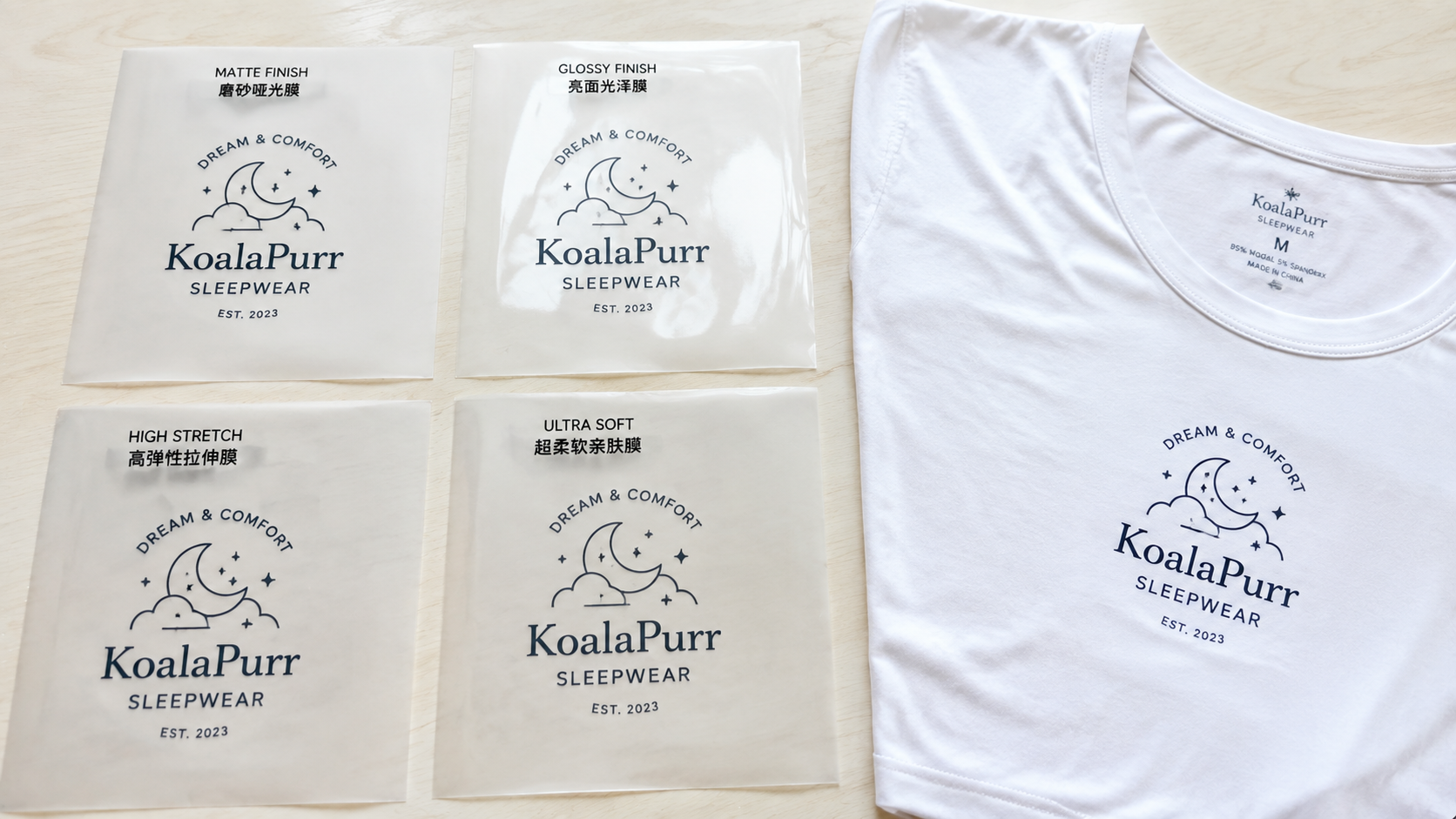
The transfer type should be selected according to fabric stretch, washing requirements, placement and desired hand feel.
Screen printing can be used for logos, lettering and simple garment graphics. Water-based printing may provide a softer result on selected fabrics, while other printing options can offer stronger coverage or special decorative effects.
Cotton pajama tops, casual loungewear, branded sets and simple garment graphics.
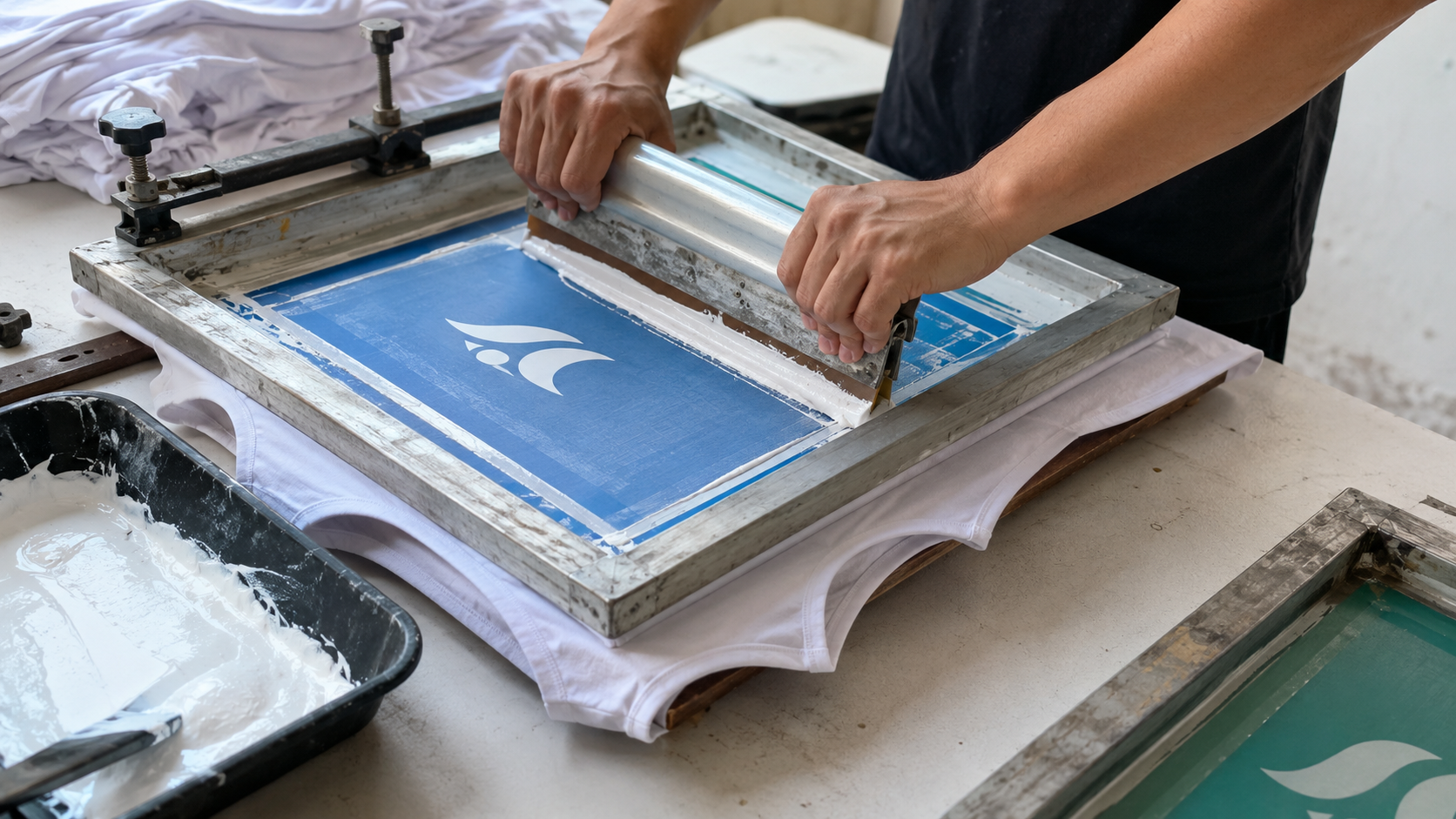
For sleepwear, the print size, thickness and placement should be controlled carefully to protect softness and wearing comfort.
Embroidery is mainly used on sleepwear for small logos, initials and simple decorative motifs. Clean flat embroidery can add subtle texture and a more refined finish without making the garment feel overly heavy.
Pajama shirts, robes, pockets, cuffs, gift sets and premium loungewear.
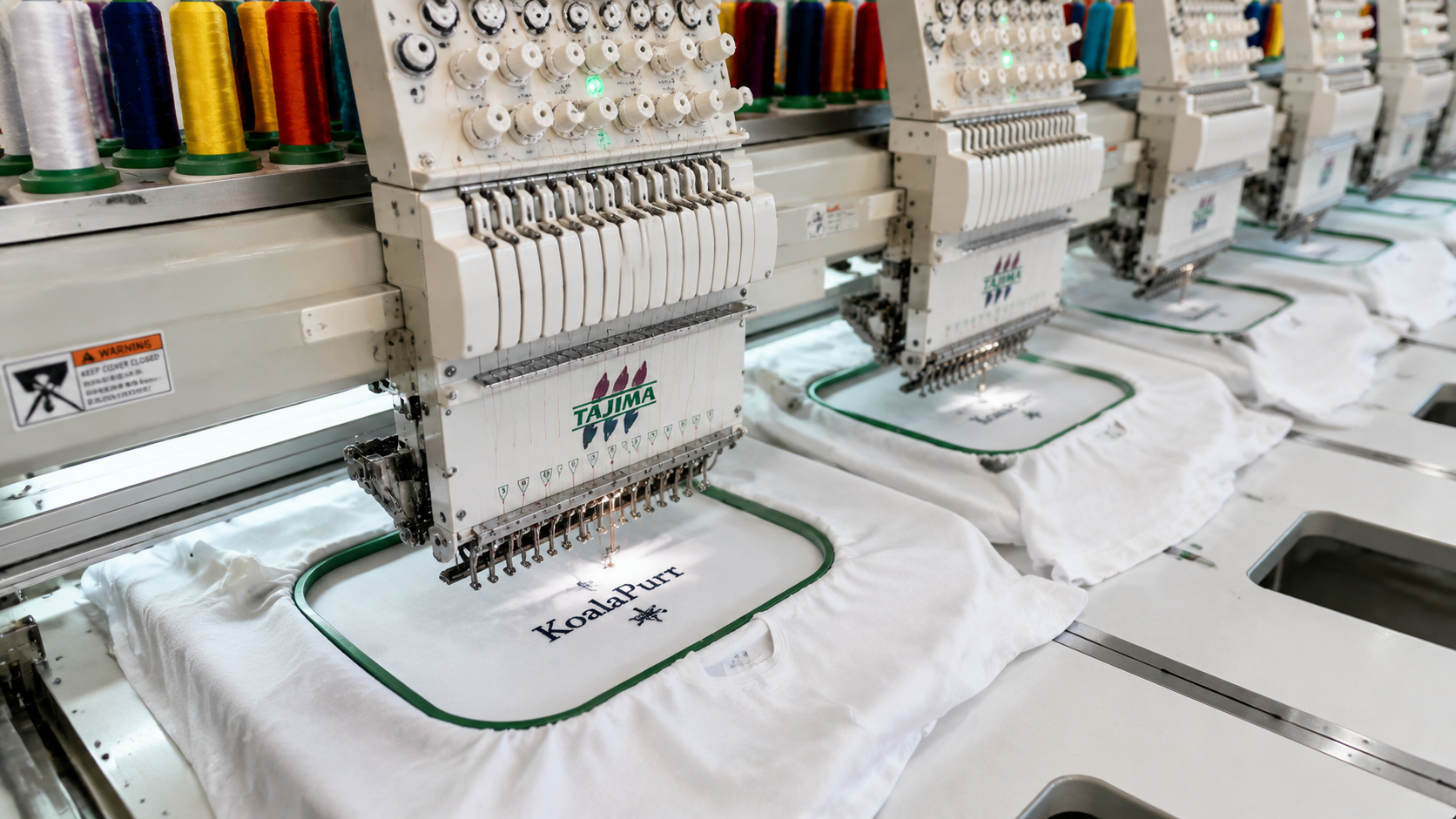
Embroidery size, stitch density, placement and backing material should be carefully controlled, especially on lightweight or soft fabrics.
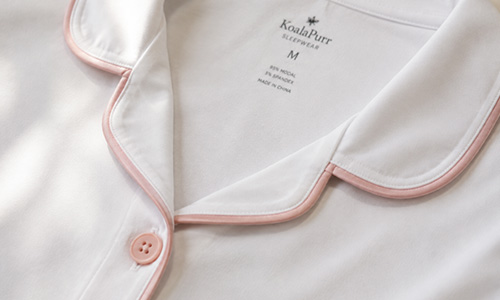
Bring custom patterns, artwork, logos and decorative details into the finished garment.
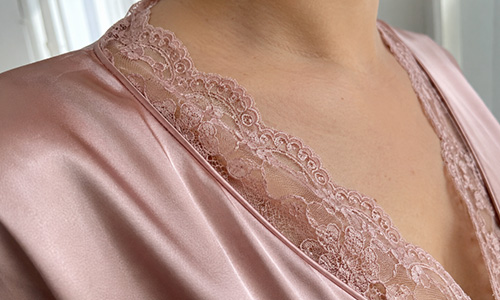
Trim selection should consider softness, stretch, wash performance and direct skin contact.
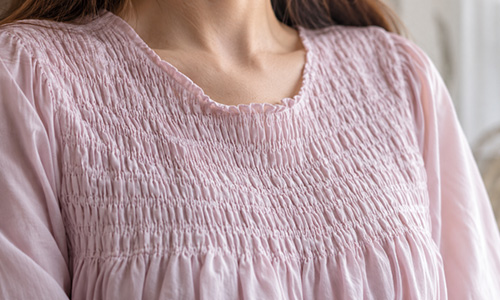
Particularly suitable for sleep dresses, feminine pajama tops, children's sleepwear and designer-led collections.
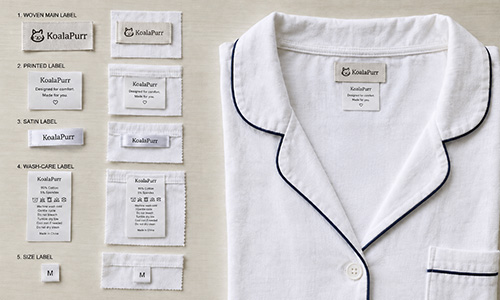
For skin-contact garments, label softness and placement should be carefully considered.
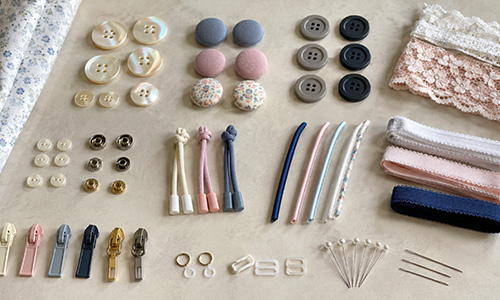
Each accessory can be evaluated according to the garment design, target price, order quantity and intended market.
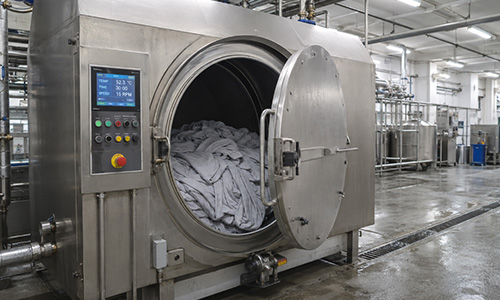
The suitability of each finish depends on the fabric composition, garment construction and required performance standards.
Cotton can support screen printing, selected digital printing methods, flat embroidery and a wide range of garment details. Fabric weight, shrinkage and surface structure should be considered during sampling.
Modal and viscose-based fabrics are valued for their softness and drape. Printing, embroidery, labels and finishing techniques should be selected carefully to maintain the smooth hand feel and dimensional stability of the fabric.
Technique selection should consider the actual fiber composition, fabric construction, surface characteristics and finishing requirements. Sampling is recommended before confirming bulk-production results.
Polyester-based materials may be suitable for sublimation printing and selected digital printing processes. Temperature sensitivity, shine and surface appearance should be evaluated during development.
Prints, trims, labels and stitching methods should accommodate fabric stretch and recovery. Testing may be required to evaluate cracking, peeling, distortion and seam performance.
Lightweight woven fabrics may require controlled embroidery density, finer trims and carefully selected finishing methods to reduce puckering or distortion.

We review the artwork, garment concept, fabric and intended product positioning.

Suitable techniques are evaluated according to appearance, comfort, durability and production requirements.

The selected technique is applied to a fabric panel or garment sample for review.

Color, placement, size, hand feel and workmanship are confirmed before production.

Approved details and specifications are documented and applied during bulk production.