Home / Sleepwear Fabric Knowledge Base

Sleepwear Fabric Knowledge Base

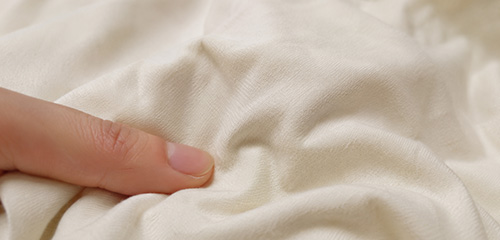
Fabric selection influences how sleepwear feels, fits, drapes, washes and presents in the market. Explore commonly used sleepwear fabrics and learn how fiber composition, fabric construction, weight, stretch and finishing can affect the finished product.KoalaPurr helps brands compare suitable fabric options according to product type, target market, design direction and performance requirements.Explore Sleepwear FabricsDiscuss Your Fabric Requirements

The Right Fabric Shapes the Entire Product

A fabric should not be selected based on softness alone. The right choice should balance comfort, appearance, garment construction, performance, price and the expectations of the target customer.

Comfort

Create solid colors, repeat patterns, florals and branded artwork.

Appearance

Drape, surface texture, shine and structure affect how the finished garment looks.

Performance

Shrinkage, stretch recovery, pilling and colorfastness influence long-term product performance.

Product Positioning

Fabric composition, construction and finishing help define whether a collection feels everyday, premium, luxurious or functional.

Understanding Sleepwear Fabrics

Before comparing fabric names, it is important to understand what determines the final appearance and hand feel. Two fabrics with similar names may perform very differently because of their composition, construction, weight or finishing.
01

Fiber Composition

What the Fabric Is Made From

Fiber composition affects softness, stretch, drape and wash performance.

  • Common Options
  • Cotton
  • Modal and viscose
  • Polyester and silk
  • Spandex and blended fibers
02

Fabric Construction

How the Fabric Is Made

Fabric construction affects texture, stretch, structure and garment appearance.

  • Common Options
  • Jersey
  • Rib and interlock
  • Woven poplin
  • Flannel and double gauze
03

Fabric Weight

How Light or Substantial the FabricFeels

Fabric weight is measured in GSM and affects drape, warmth and seasonal use.

  • Common Options
  • Lightweight
  • Midweight
  • Heavyweight
  • Seasonal weights
04

Stretch & Recovery

What the Fabric Is Made From

Stretch affects comfort and fit, while recovery helps the garment maintain its shape.

  • Key Factors
  • Mechanical stretch
  • Spandex stretch
  • Two-way stretch
  • Four-way stretch
05

How the Final Hand Feel Is Created

What the Fabric Is Made From

Finishing can improve softness, surface texture and fabric performance.

  • Common Options
  • Softening
  • Brushing
  • Peach finishing
  • Pre-shrinking and anti-pilling

Explore Sleepwear Fabrics

Select a fabric category to learn more about available constructions, weight directions, colors, suitable products and production considerations.

Cotton

Natural · Breathable · Versatile

A comfortable and adaptable choice for everyday sleepwear and relaxed loungewear.

Key Characteristics

Breathable · Natural Feel · Versatile

Best For

Pajama sets, sleep tops, shorts and children's sleepwear.

Modal

Soft · Smooth · Fluid

A soft and flexible option for sleepwear that requires fluid drape and movement.

Key Characteristics

Very Soft · Fluid Drape · Stretch Options

Best For

Pajama sets, sleep dresses, lounge tops and relaxed trousers.

Viscose

Soft · Draped · Comfortable

A fluid fabric direction for lightweight sleepwear and relaxed loungewear collections.

Key Characteristics

Soft · Draped · Lightweight

Best For

Pajama sets, sleep dresses, robes and lounge separates.

Bamboo-Based

Soft · Regenerated · Fluid

A smooth and fluid fabric direction requiring clear composition confirmation.

Key Characteristics

Soft Feel · Fluid Drape · Composition

Best For

Knitted pajamas, lounge sets, sleep tops and relaxed bottoms.

Polyester Satin

Smooth · Lustrous · Print-Friendly

A smooth and colorful option for fashion-led sleepwear and gift collections.

Key Characteristics

Smooth · Lustrous · Print-Friendly

Best For

Pajama sets, robes, sleep dresses and printed collections.

Silk

Natural · Luxury · Refined

A premium natural-fiber option for refined and luxury sleepwear collections.

Key Characteristics

Natural Luster · Smooth Feel · Premium

Best For

Luxury pajama sets, robes, slips and gift collections.
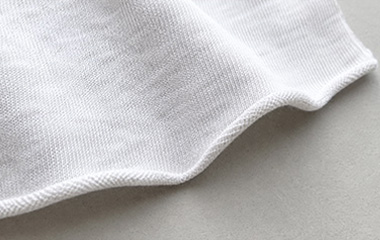
Fabric Construction Matters

The same fiber can feel completely different depending on how it's constructed. Here's how key constructions compare.

Jersey

Soft, slight stretch. Common for T-shirt style pajamas and loungewear.
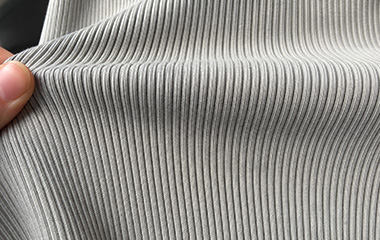
Rib

More texture and elasticity. Used for tanks, fitted tops and cuffs.
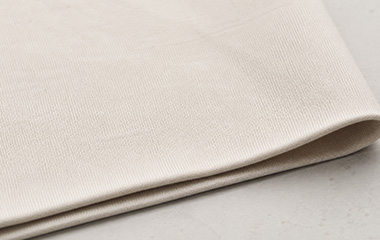
Interlock

Smoother, thicker and more stable than jersey. Good for mid-weight pajamas.
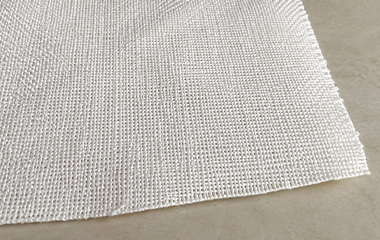
Woven Plain

Crisp structure. Suitable for classic collar pajamas and tailored sleepwear.
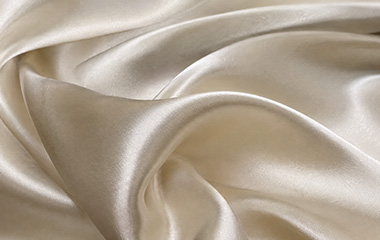
Satin Weave

Smooth, lustrous surface. Popular for fashion sleepwear and gift sets.
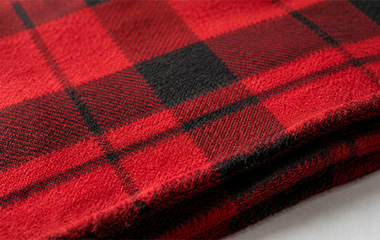
Flannel

Brushed, soft, warm. Ideal for winter pajamas and cozy collections.
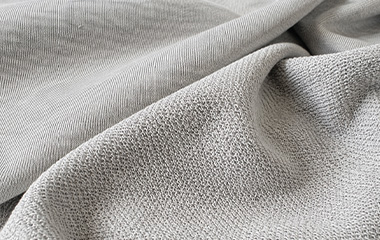
French Terry

Loop-backed interior. Casual, comfortable for relaxed loungewear.
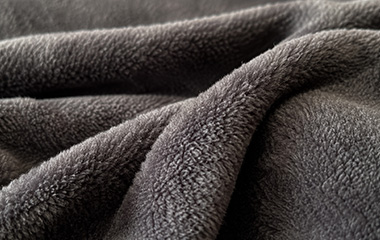
Fleece

High warmth, soft. Best for winter lounge sets and casual wear.

Choose Fabric by Product Type

Different sleepwear products require different levels of drape, stretch, structure and warmth.

Classic Pajama Sets

Common Fabric Directions

  • Cotton woven
  • Viscose woven
  • Polyester satin
  • Silk

Key Considerations:

Collar structure, piping compatibility, opacity, drape and print clarity.

Knitted Pajama Sets

Common Fabric Directions

  • Cotton jersey
  • Modal-spandex
  • Viscose-spandex
  • Stretch rib

Key Considerations:

Softness, stretch recovery, shrinkage and seam stability.

Sleep Dresses and Slips

Common Fabric Directions

  • Modal jersey
  • Viscose jersey
  • Polyester satin
  • Silk

Key Considerations:

Drape, opacity, skin feel, stretch and lace compatibility.

Robes

Common Fabric Directions

  • Polyester satin
  • Double gauze
  • Fleece
  • Waffle fabric

Key Considerations:

Weight, absorbency, layering, warmth and product positioning.

Summer Sleepwear

Common Fabric Directions

  • cotton
  • Modal
  • Double gauze
  • satin

Key Considerations:

Breathability, opacity, drape and warm-weather comfort.

Winter Sleepwear

Common Fabric Directions

  • Flannel
  • Brushed jersey
  • Fleece
  • Interlock

Key Considerations:

Warmth, softness, garment weight and indoor comfort.

Quick Fabric Comparison

This guide provides a general starting point. Actual performance depends on the selected specification and finishing.
FabricHand FeelBreathabilityDrapeStretchWarmthCommon Use
Cotton JerseySoftHighMediumMediumLow-MediumEveryday pajamas
Modal JerseyVery softMedium-HighHighMediumLow-MediumPremium soft sleepwear
Viscose JerseySoftMedium-HighHighMediumLowSleep dresses and sets
Polyester SatinSmoothLow-MediumHighLowLowPrinted pajama sets
SilkSmoothHighHighLowLow-MediumLuxury sleepwear
Double GauzeSoftHighMediumLowLowSummer sleepwear
FlannelBrushedMediumLowLowHighWinter pajamas
FleecePlushLow-MediumLowMediumVery highWinter loungewear

Choose Fabric by Product Positioning

Fabric should reflect the target customer, price direction and overall product experience.

Everyday Collections

Reliable supply, easy care, comfortable hand feel and practical costing.

Possible Directions

Cotton blends, viscose blends and polyester-based fabrics.

Mid-Market Collections

Improved softness, better drape, refined finishing and balanced cost.

Possible Directions

Cotton-spandex, modal blends, refined viscose and improved satin fabrics.

Premium Collections

Softer hand feel, cleaner surface, better drape and custom colors.

Possible Directions

Higher-quality modal, fine-yarn cotton, refined viscose and premium satin.

Luxury Collections

Fiber origin, natural luster, distinctive texture and special care.

Possible Directions

Silk, silk blends and selected premium natural fabrics.
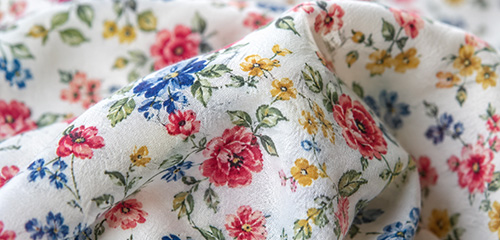
Fabric Compatibility With Design Details

The main fabric should be evaluated together with the printing, trims and construction details used in the garment.

Printing

  • Fiber composition
  • Surface structure
  • Base color
  • Printing method
  • Hand feel requirements

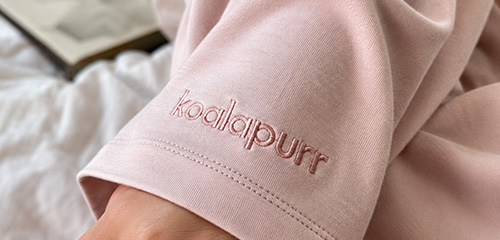
Embroidery

  • Fabric thickness
  • Stability
  • Stitch density
  • Backing material
  • Placement

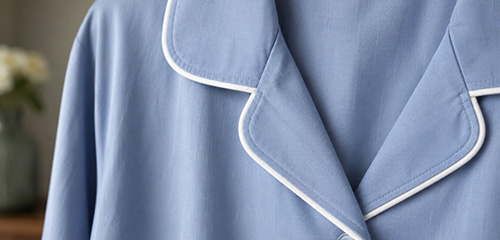
Piping

  • Main fabric thickness
  • Piping material
  • Wash shrinkage
  • Color matching
  • Sewing stability

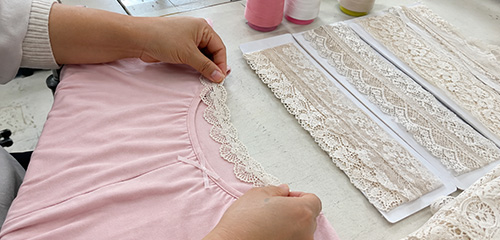
Lace & Trims

  • Lace softness
  • Elasticity
  • Color matching
  • Skin contact
  • Wash deformation

Garment Finishing

  • Fiber composition
  • Dye type
  • Fabric construction
  • Target hand feel
  • Testing requirements

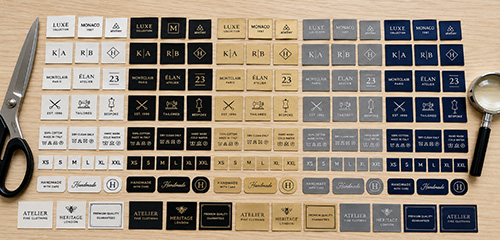
Labels & Accessories

  • Label softness
  • Attachment method
  • Fabric stability
  • Wash durability
  • Skin comfort

What Should Be Confirmed Before Production?

Fabric names and composition reports alone are not enough. These are the key indicators to verify before bulk production.

Fiber Composition

Confirm the actual fiber content and blend percentage against specifications.

Fabric Weight

Confirm GSM (grams per square meter) and acceptable tolerance range.

Fabric Width

Confirm usable width for cutting, marker planning and costing.

Color & Lot Consistency

Confirm lab dips, shade standards and acceptable batch-to-batch variation.

Shrinkage

Confirm warp and weft shrinkage (or length/width) after washing.

Stretch & Recovery

Confirm stretch percentage and recovery performance after stretching.

Pilling Resistance

Confirm pilling grade after abrasion and washing tests.

Colorfastness

Confirm colorfastness to washing, rubbing and perspiration per market requirements.

Hand Feel

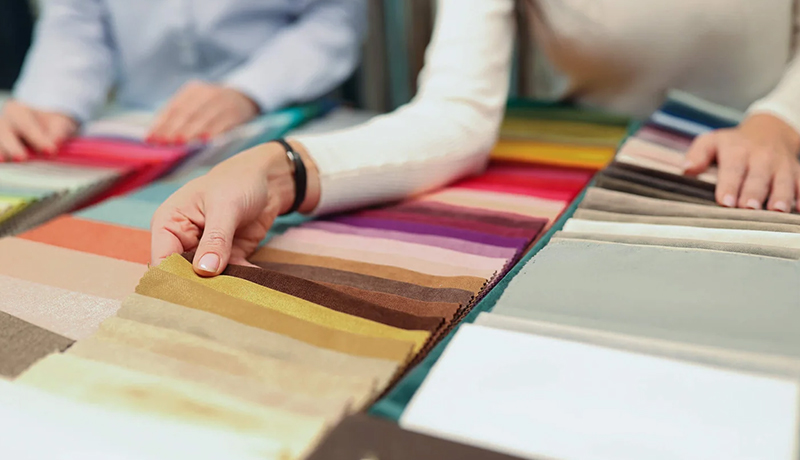
Confirm softness, drape, thickness and surface feel through actual fabric swatches.

Fabric names and composition reports alone are not enough. Final decisions should be based on actual fabric swatches, testing requirements and garment samples.

Frequently Asked Questions

  • How long does sleepwear product development take?
    Development time depends on design complexity, fabric selection, and sample revisions.
  • What is included in the sleepwear sample development process?
    Sample development includes: 1.Fabric confirmation 2.Pattern making 3.First sample production 4.Fit adjustment 5.Final sample approval Samples are physically produced and reviewed before bulk produ...
  • Can I develop custom sleepwear designs from my idea?
    Yes, we specialize in custom sleepwear product development.
  • What fabrics can be used in sleepwear product development?
    We support a wide range of sleepwear fabrics including: 1.Cotton 2.Modal 3.Tencel™ 4.Bamboo fiber 5.Jersey knit fabrics 6.Certified materials such as GOTS, OEKO-TEX®, and GRS Fabric selection is a ...
  • Do I need a tech pack for sleepwear product development?
    No, a tech pack is not required to start product development.
  • What is the difference between product development, ODM, and OEM?
    Product development focuses on transforming ideas into structured product designs.
  • What is sleepwear product development?
    Sleepwear product development is the process of turning a concept, idea, or reference into a structured and manufacturable sleepwear product.
  • What should I do after reading this page?
    You can move forward by selecting a development direction and starting your collection planning with fabric and product recommendations.

Need Help Choosing the Right Fabric?

Share your product type, target market, preferred hand feel or fabric reference with our team.
  • Quick Quotation
    • *Email
      Phone
Tip:More details help us recommend the right development and manufacturing solution faster.