
From Brand Idea to First Cotton Pajama Collection
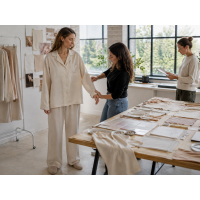
A new lifestyle brand approached KoalaPurr with the idea of launching its first cotton pajama collection but lacked experience in sleepwear manufacturing. This case study shows how we helped transform an initial concept into a production-ready collection through product planning, cotton fabric selection, sample development, fit refinement, private labeling, and production preparation. Launching a first sleepwear collection can be exciting, but turning a brand idea into a real product requires many decisions that are unfamiliar to new apparel businesses. In this project, KoalaPurr partnered with an emerging lifestyle brand preparing to introduce its first cotton pajama collection. The brand had a clear vision of the customer experience it wanted to create. It wanted sleepwear that represented: However, the team had limited experience with garment development. They understood their customers and brand positioning, but they needed support with the technical side of creating sleepwear: The goal was not simply to produce a pajama set. The goal was to create the first product that could represent the brand and become the foundation for future collections. Many new brands begin with inspiration. They may have reference images, mood boards, customer preferences, brand colors, and product ideas. But turning these creative ideas into a manufacturable product requires a different level of knowledge. For this project, the client wanted a cotton pajama collection with a natural, comfortable feeling. However, several questions needed to be answered before development could begin: KoalaPurr helped organize these decisions into a structured product-development process. Instead of moving directly from idea to production, the project followed a step-by-step approach. For a new brand, the first collection needs to balance creativity with practicality. A common mistake is trying to launch too many products at once. For this project, KoalaPurr worked with the client to create a focused first collection centered around a classic cotton pajama set. The product direction included: This approach allowed the brand to create a recognizable hero product while keeping development manageable. A strong first product can later become the foundation for additional styles such as short pajama sets, cotton robes, lounge sets, seasonal prints, and family matching collections. The focus was therefore not just creating one garment. It was creating a product platform that could support future brand growth. Cotton was selected because it matched the brand's desired positioning around comfort, simplicity, and everyday wear. However, choosing cotton is not as simple as choosing a fabric composition. Different cotton fabrics can create very different garment experiences. The development team reviewed factors including: The right fabric needed to support both the customer experience and the manufacturing requirements. For example, a lightweight cotton may feel cool and breathable but may not provide the desired premium appearance. A heavier cotton may feel more substantial but could change the comfort level of the sleepwear. For guidance on comparing cotton and other sleepwear fabrics, review our fabric comparison guide. The goal was to find a balanced option that matched the brand's market positioning. Once the fabric direction was confirmed, the next challenge was transforming the brand concept into actual garment details. The client wanted the product to feel simple but not generic. Small design decisions therefore became important. The fit needed to feel comfortable while still looking polished. The goal was a relaxed shape that worked for sleeping, lounging, and everyday home wear. The classic button-front structure provided a timeless appearance. The collar shape and front placket proportions were reviewed to create a cleaner premium look. Buttons, labels, and finishing details were selected to support the overall brand identity. The goal was not to add unnecessary decoration. Instead, every detail needed to contribute to a consistent product image. The first collection focused on coordinated colors that matched the brand personality and could be easily expanded later. The first sample was an important milestone because it allowed the brand to evaluate the product beyond drawings and fabric swatches. During sample review, the team focused on: For a new brand, the first sample often creates valuable learning. It helps answer questions that are difficult to predict before seeing the actual garment. The sample review stage helped move the project from a concept into a clearer product direction. The purpose of sample development was not only to check whether the garment looked correct. It was also to make sure the product delivered the comfort expected from sleepwear. The team reviewed: Cotton pajamas require enough room for natural movement. The garment should feel comfortable while sleeping, relaxing, and moving around the home. At the same time, too much excess volume can make the product appear less refined. The final adjustments focused on achieving a balance between comfort, appearance, and wearability. This helped create a more reliable foundation for future collections. For a new brand, private label details help transform a basic garment into a recognizable product. The project included planning for: These details were reviewed together with the garment itself. A successful launch collection should feel complete from the moment customers receive it. The packaging and labeling needed to support the same brand feeling created through the fabric, color, and garment design. After the sample was approved, the project moved toward production preparation. The final development information was organized around: This step was important because the first approved sample became the reference for future production. For a new brand, having clear standards before bulk production helps reduce uncertainty and creates a more stable manufacturing process. KoalaPurr's standard project conditions support focused development programs, with a minimum order quantity of 100 pieces per style per color. Sampling is typically around 7-14 days, while bulk production is usually around 24-30 days. Actual timing may vary depending on fabric availability, custom requirements, order quantity, production complexity, and approval progress. Through structured development support, the brand successfully transformed its original idea into a clear first cotton pajama collection. The project achieved: More importantly, the brand gained a stronger understanding of how to develop future sleepwear products. The first cotton pajama collection became more than a single product. It became the foundation for future category expansion. A focused first product helps brands manage development complexity and create a stronger market introduction. A successful garment requires decisions around fabric, fit, construction, trims, and production. Working with an experienced pajama manufacturer helps new brands close this gap. Cotton quality, weight, and finishing directly influence comfort and product perception. The sample stage provides an opportunity to refine the product before committing to production. Labels, packaging, and details help customers recognize the product as part of the brand. For new brands, product guidance can be just as important as manufacturing capability. Creating a first sleepwear collection requires more than producing a garment. It requires transforming a brand idea into a product that customers can experience. In this project, KoalaPurr helped an emerging lifestyle brand develop its first cotton pajama collection through product planning, fabric selection, sample development, fit refinement, private label preparation, and production support. The result was a more confident entry into the sleepwear market and a stronger foundation for future product expansion. Whether you are launching a new pajama brand or adding sleepwear to your existing product line, KoalaPurr can support fabric selection, product development, sampling, private labeling, and bulk production from concept to finished collection.From Brand Idea to First Cotton Pajama Collection
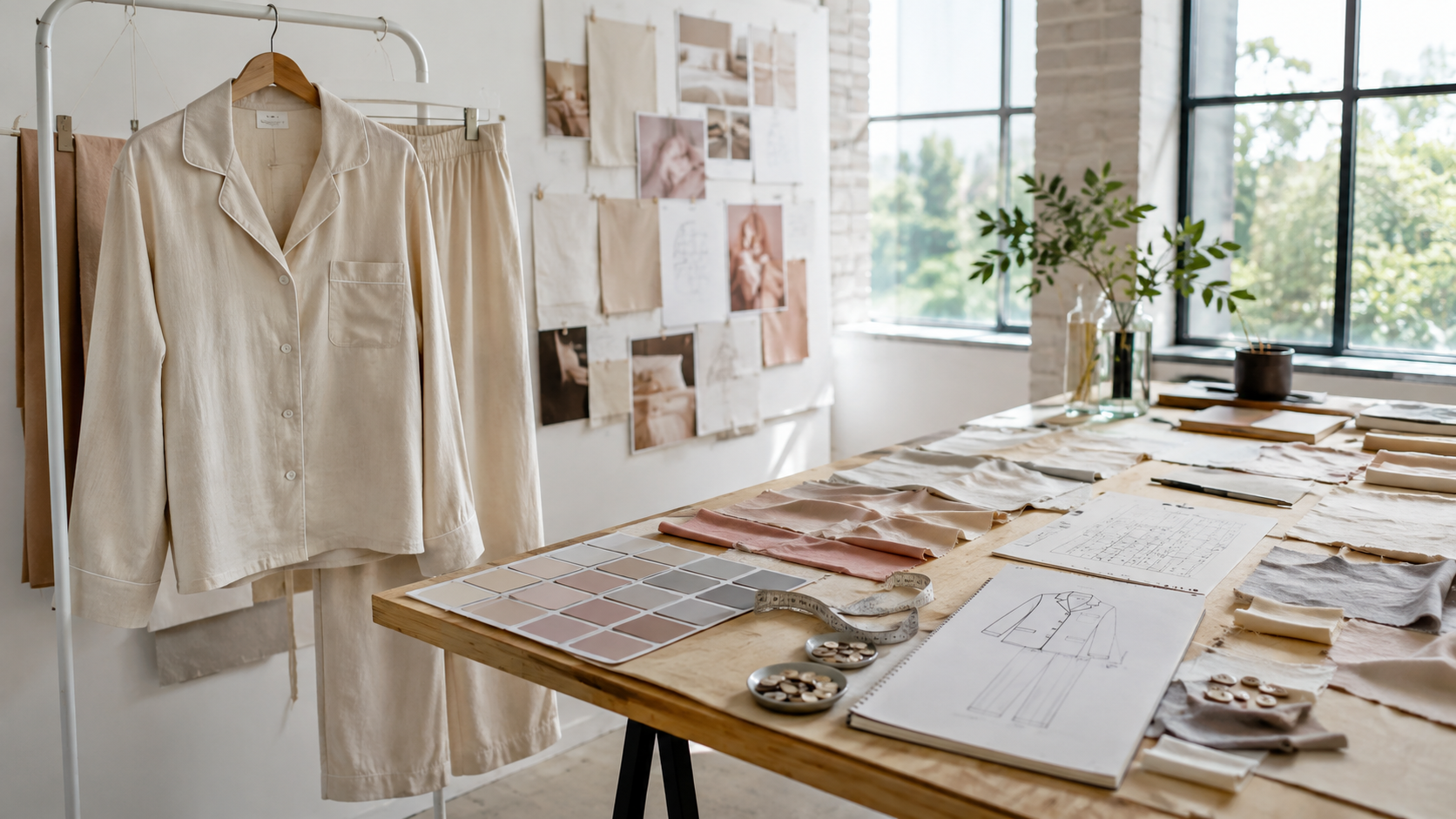
Client Background
The Brand's Initial Challenge
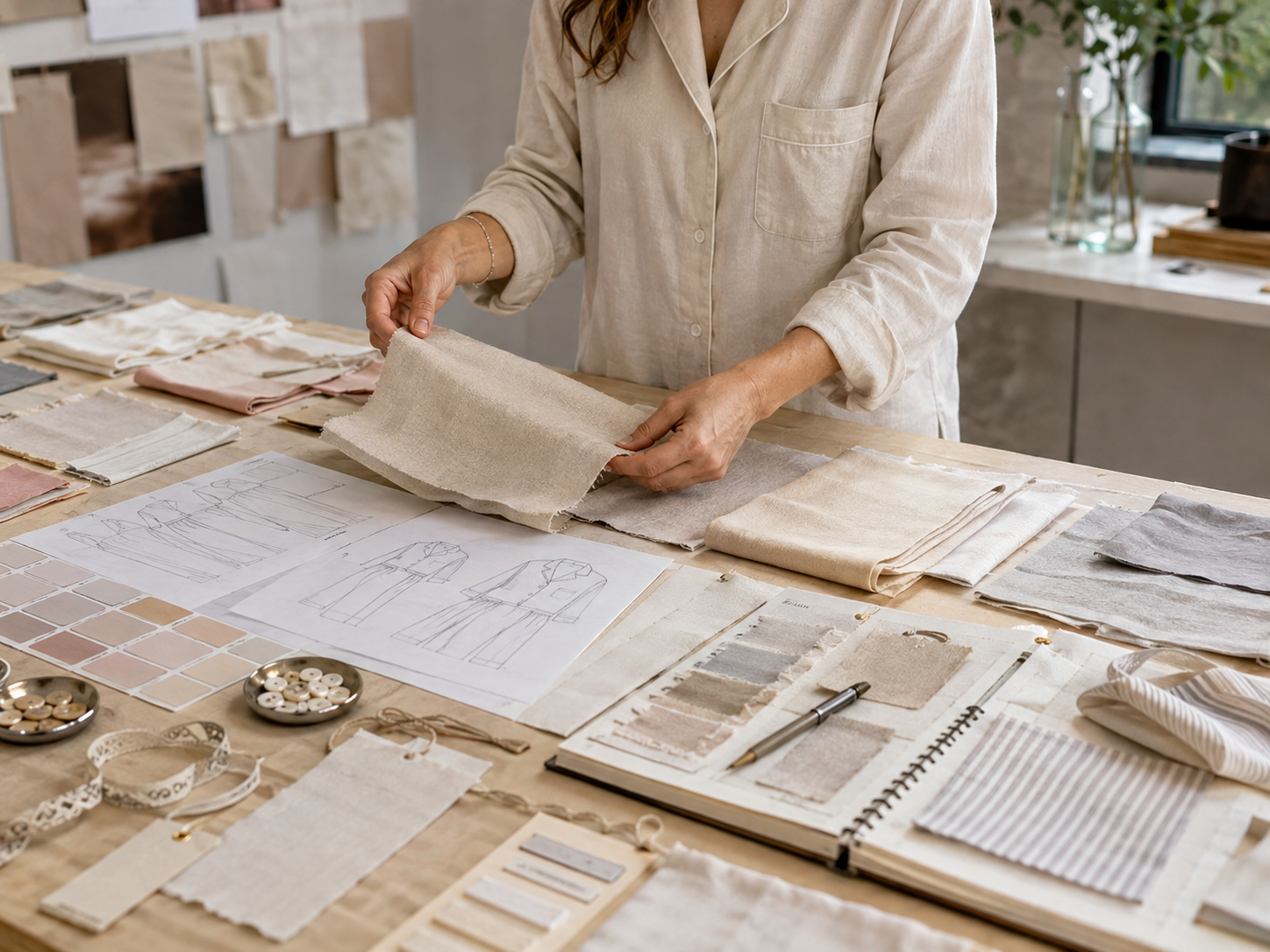
Step 1: Defining the First Cotton Pajama Collection
Step 2: Selecting the Right Cotton Fabric
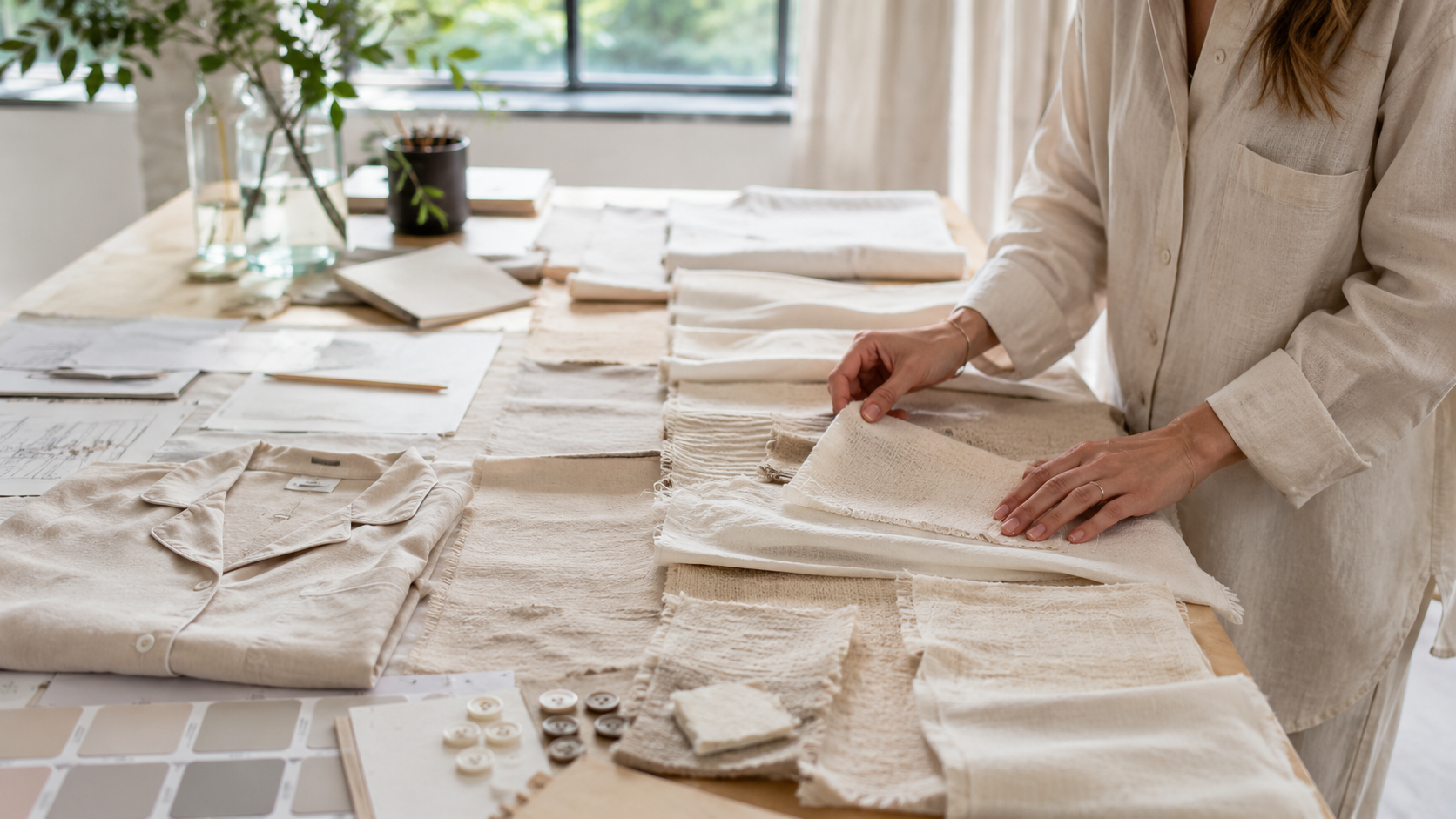
Step 3: Translating Brand Ideas Into Product Details
Pajama Silhouette
Collar and Front Opening
Buttons and Trims
Color Direction
Step 4: Developing and Reviewing the First Sample

Step 5: Refining the Fit and Comfort
Step 6: Building the Private Label Identity
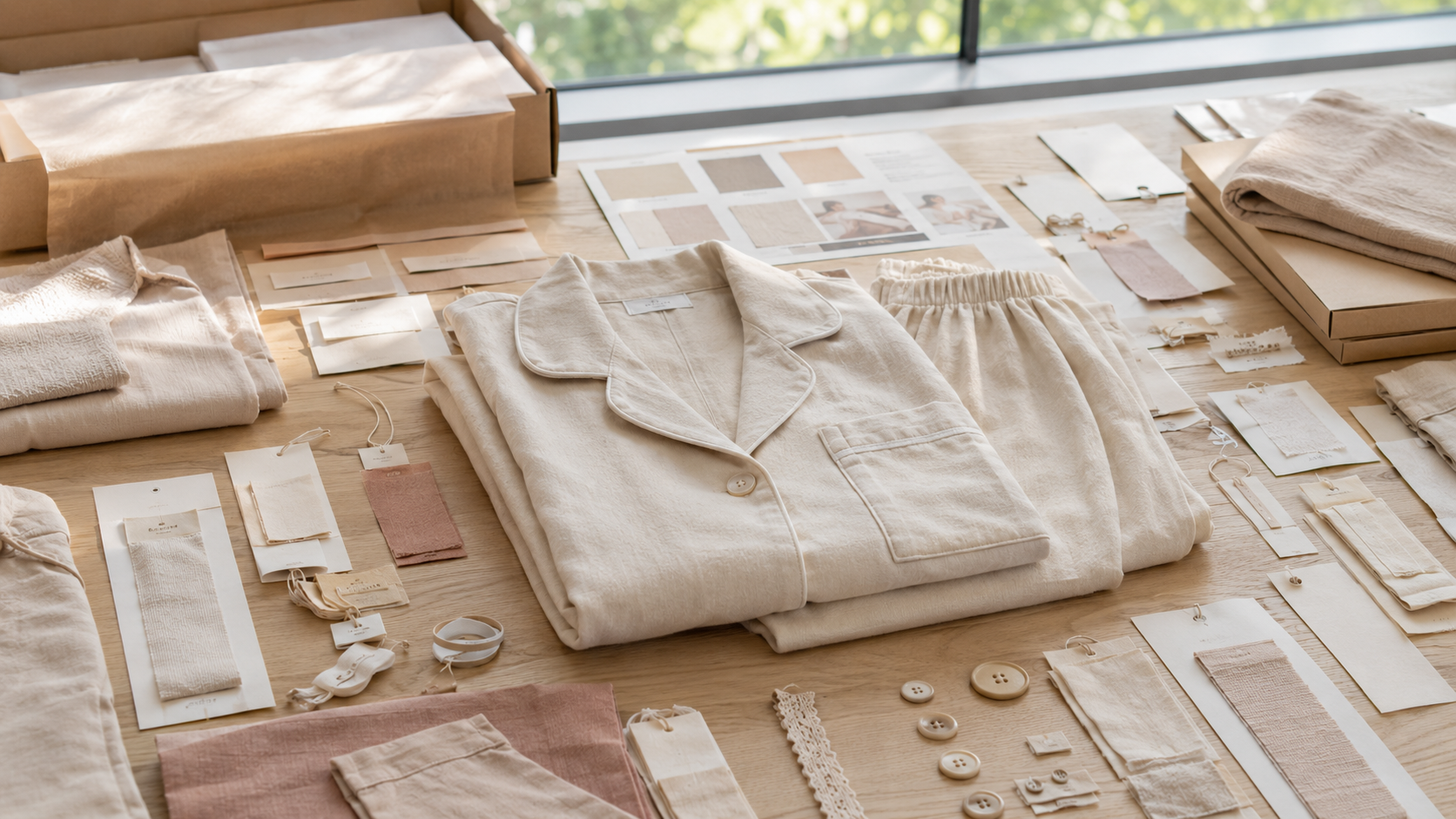
Step 7: Preparing for Bulk Production
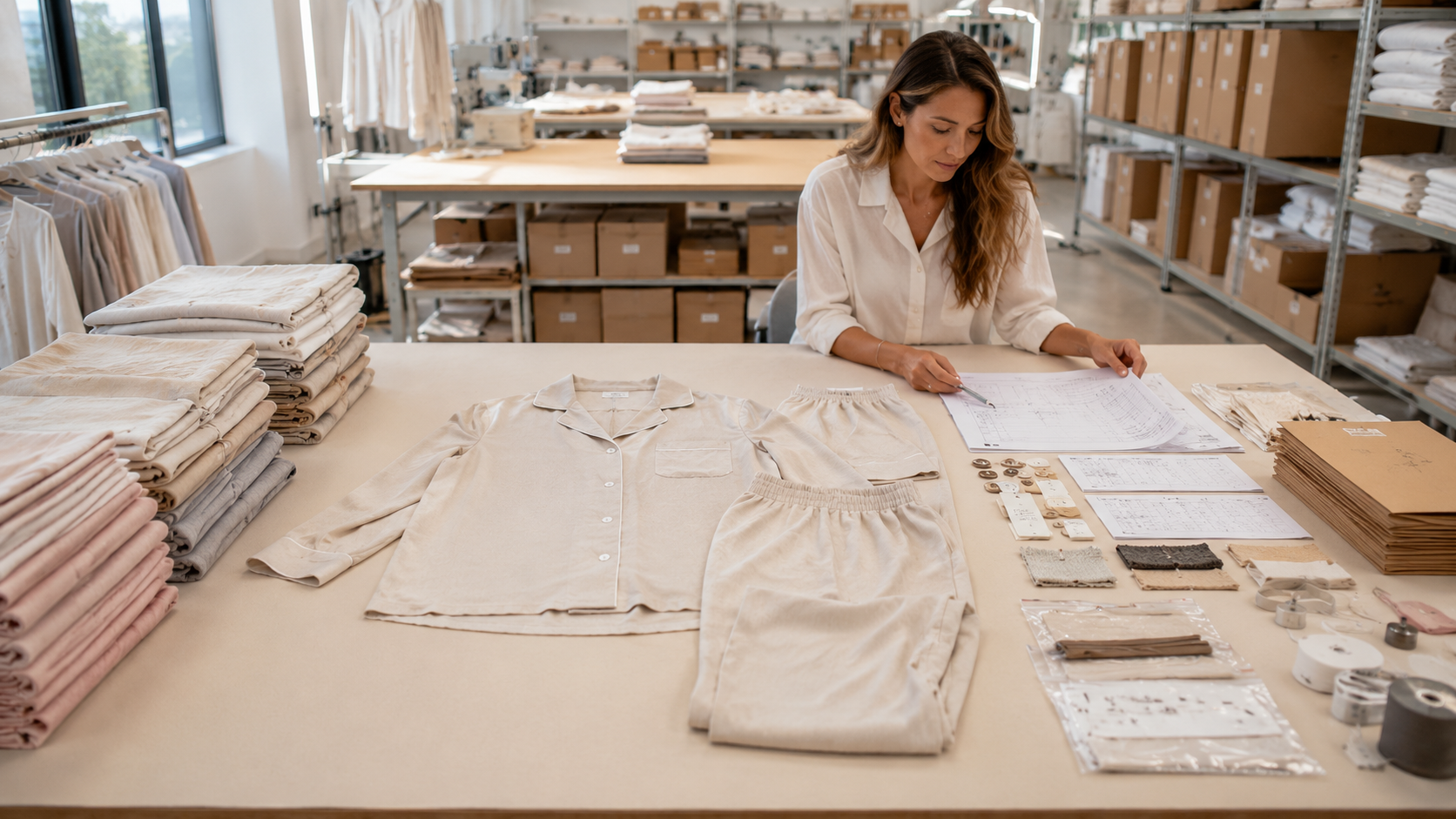
The Result
What New Sleepwear Brands Can Learn
Start With a Clear Hero Product
Product Development Requires More Than Design Ideas
Fabric Choice Shapes Customer Experience
Sampling Creates Better Products
Build Your Brand Identity Into the Garment
Choose a Manufacturing Partner Who Supports Development
Conclusion
Ready to Develop Your First Sleepwear Collection?
Are you looking for a reliable sleepwear manufacturer for your brand?
From product development to bulk production, we provide custom sleepwear solutions with professional support for global brands.