
How a Beauty Brand Launched Its First Satin Pajama Collection

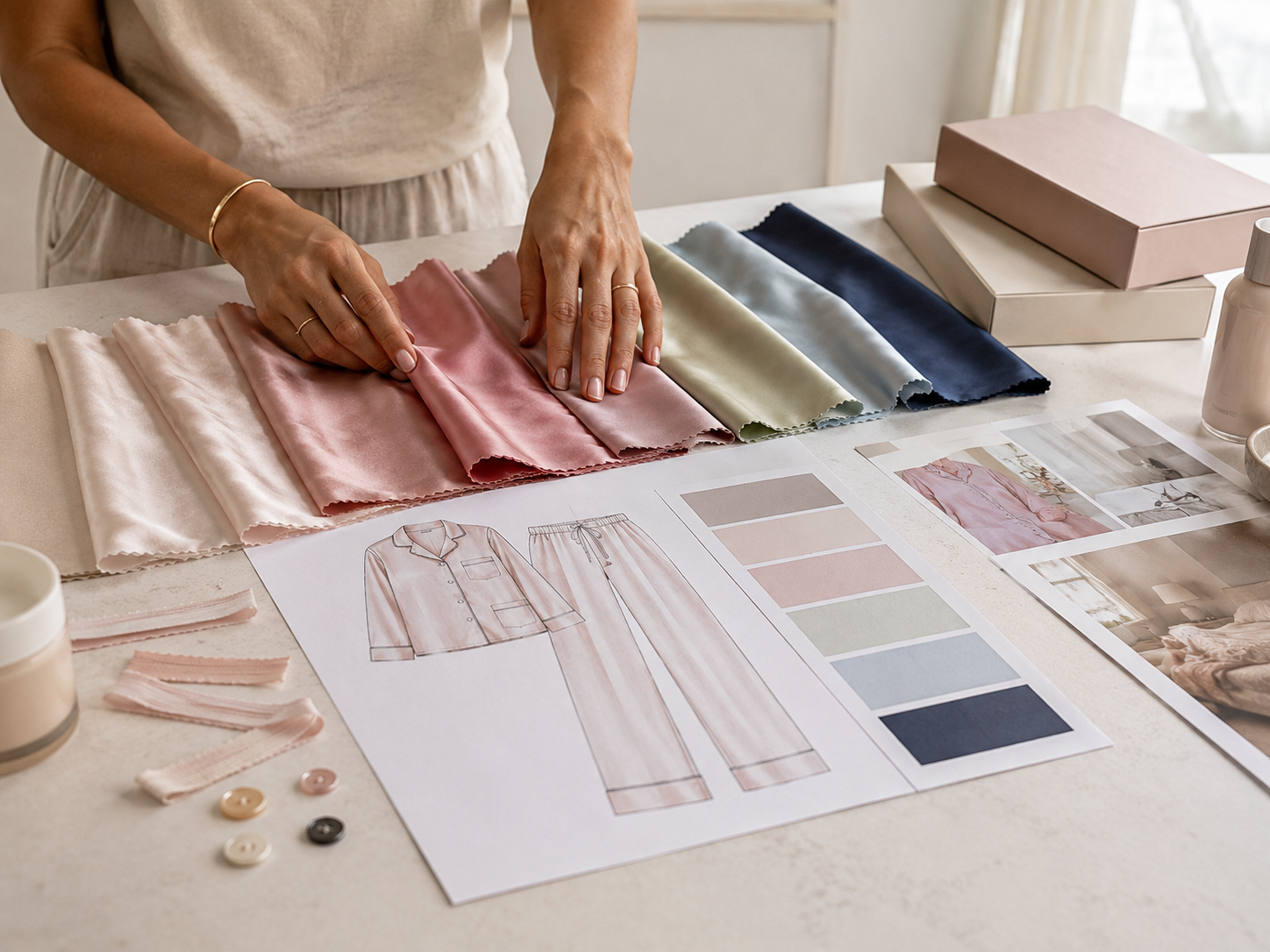
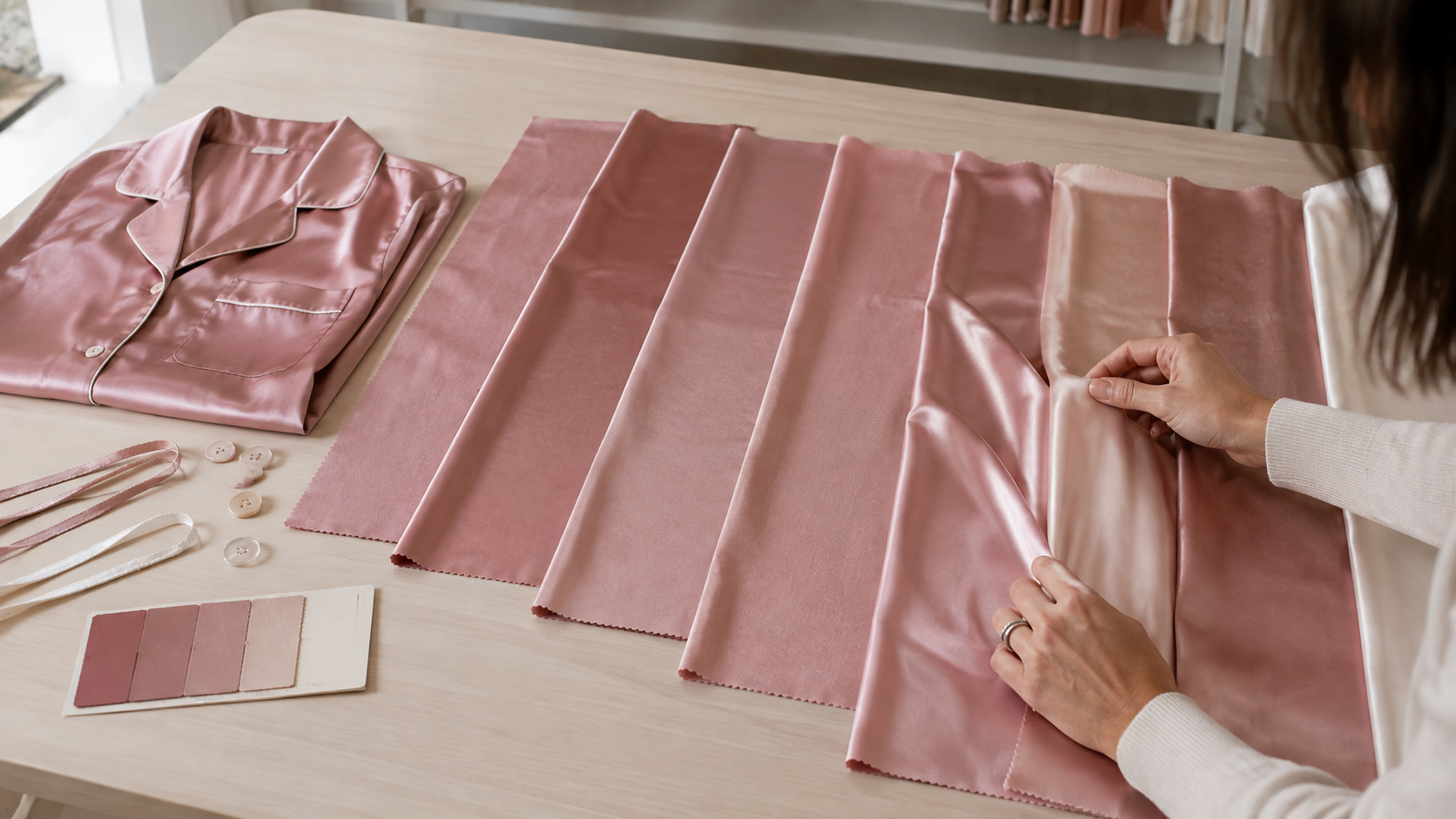
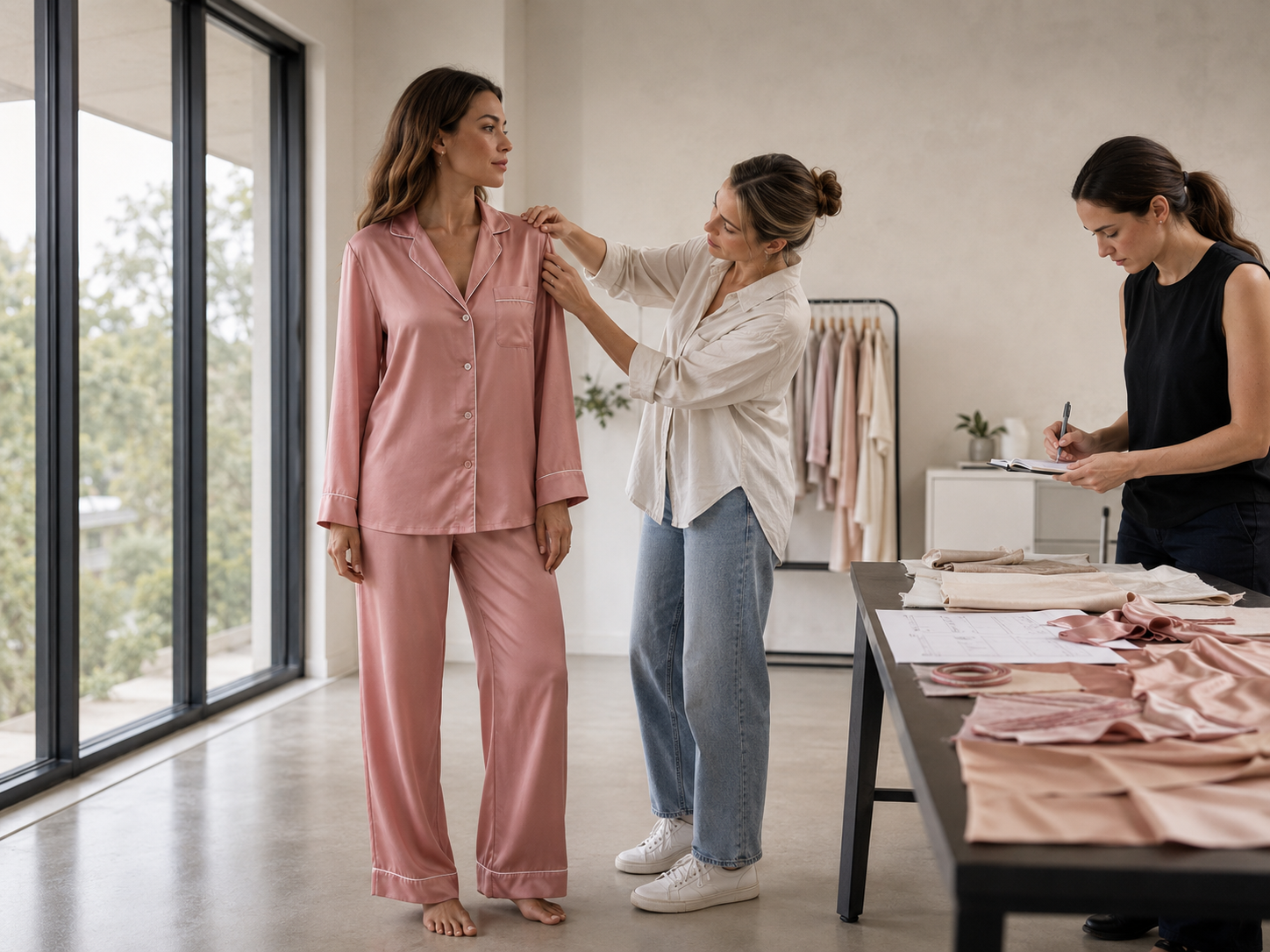
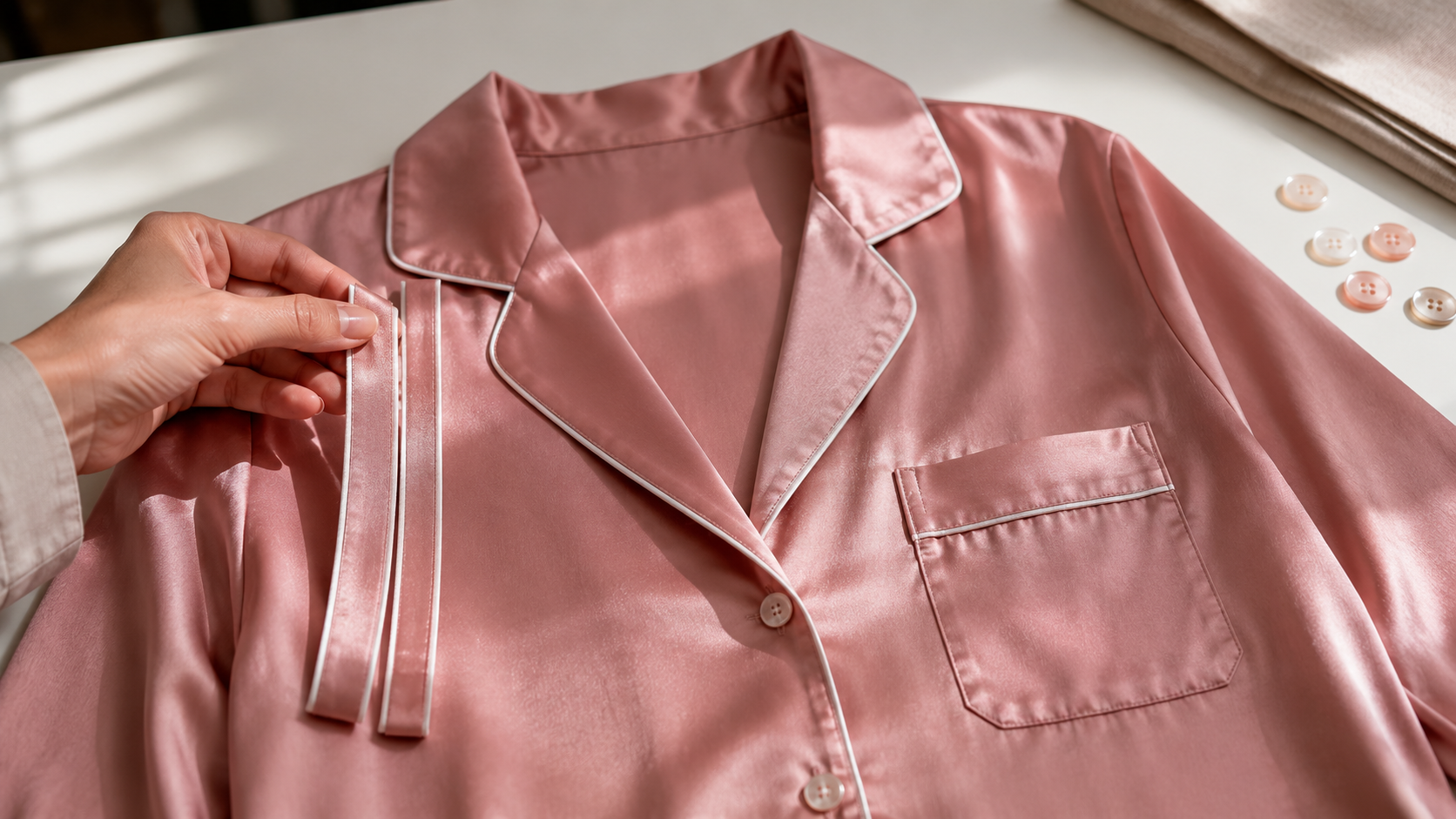
A beauty brand partnered with KoalaPurr to expand beyond cosmetics and launch its first satin pajama collection. This case study shows how we helped translate the brand's visual identity into sleepwear through product planning, satin selection, color development, sampling, fit refinement, private labeling, packaging, and production preparation. A growing beauty brand approached KoalaPurr with a new idea. The company had already built its identity around beauty, self-care, and everyday lifestyle products, but it wanted to explore a category outside its traditional product range. The next opportunity was sleepwear. Rather than treating pajamas as an unrelated fashion product, the brand saw sleepwear as a natural extension of its existing customer experience. Its customers were already interested in routines built around: A premium pajama collection could therefore become part of the same brand world. The challenge was that the client understood beauty products very well but had limited experience developing garments. They knew how they wanted the collection to feel as a brand, but they needed support translating that idea into a product that could actually be sampled and manufactured. That is where the project began. Cross-industry expansion works best when the new category feels connected to the existing brand rather than added simply for variety. For this client, sleepwear made sense because the brand was already positioned around personal care and at-home rituals. A satin pajama collection could fit naturally into: The client therefore did not want to launch a generic pajama set. The new product needed to feel visually consistent with the beauty brand's existing identity. That meant the development process had to consider more than garment construction. The team also needed to think about color, surface appearance, packaging, branding, photography, and the overall emotional connection between beauty and sleepwear. The biggest challenge was not deciding whether to make pajamas. It was deciding what kind of pajamas would actually represent the brand. The client already had established visual cues through its beauty products, packaging, and marketing. However, those cues could not simply be copied onto a garment. A successful apparel extension needed to translate the same brand personality into: The client also needed guidance on several sleepwear-specific questions, from satin quality and silhouette to piping width, buttons, color translation, label format, and how to keep the first collection focused. Because this was the client's first apparel project, KoalaPurr focused on simplifying these decisions into a clear development path. One of the first decisions was to avoid launching too many products at once. For a brand entering a new category, a focused initial collection makes development easier to control. The project centered on a classic women's satin pajama set that could act as the hero product. The core direction included: This style offered several advantages. It was recognizable as classic sleepwear, easy for customers to understand, and flexible enough to reflect the beauty brand through color and detail. It could also support future expansion into short pajama sets, robes, camisole sets, seasonal colors, and gift collections. Instead of designing the entire future range immediately, the first goal was to establish one strong product. For this project, fabric played an especially important role. The client wanted a satin surface because it visually connected with the polished, soft, and premium world of beauty. But "satin" alone does not define the finished product. Different satin fabrics can vary significantly in: An overly shiny satin could make the collection feel too costume-like. A fabric that was too lightweight could lack the polished appearance the brand wanted. A heavier option could feel more structured than desired. KoalaPurr therefore helped the client review satin options based on both visual appearance and garment performance. The goal was to find a fabric that created a soft, refined sheen rather than an overly reflective surface. Because satin is treated as a woven fabric within KoalaPurr's product classification, the construction and fit also needed to account for the lower stretch compared with many knit sleepwear fabrics. Color development became one of the most important parts of the project. Beauty brands often have a carefully controlled visual identity, and customers recognize them through consistent colors across packaging, social media, displays, and campaigns. However, the same color can look different when applied to satin. The reflective surface changes how light interacts with the fabric, which means a color that works well on paper or packaging may appear brighter, darker, or more reflective on a garment. The team therefore reviewed the color direction specifically on satin rather than relying only on digital references. The client considered colors that complemented its existing brand world while still feeling appropriate for sleepwear. Instead of creating too many shades for the first collection, the range was kept intentionally focused. This helped the brand achieve a more cohesive first launch while also reducing unnecessary complexity during development. Once the fabric, color direction, and style details were sufficiently defined, KoalaPurr moved into sample development. The first physical sample allowed the client to evaluate something that sketches and fabric swatches could not fully show: how the entire product looked and felt when worn. The sample was reviewed for: This was especially important because woven satin does not behave like stretch modal or jersey. The garment needed enough ease for comfortable movement without becoming visually oversized. The client also wanted the product to photograph well for its future campaigns, so the silhouette needed to look clean while still feeling like genuine sleepwear. Fit refinement was an important step because the client was entering apparel for the first time. A beauty brand may have strong visual standards, but those standards still need to work with the functional requirements of a garment. For this satin pajama set, the team reviewed how the garment behaved while standing, sitting, and moving. The pajama top needed to maintain a clean line without limiting movement. Because the fabric had less stretch than many knit sleepwear options, enough functional ease had to remain across the upper body. Sleeves were reviewed for both proportion and comfort. The goal was to create a refined appearance while avoiding unnecessary tightness. The pants needed to remain comfortable for lounging and sleeping. The rise, hip area, and upper thigh were therefore evaluated during natural movement. The relationship between the pajama top and pants mattered visually. Small adjustments helped create a more balanced silhouette and supported the premium positioning the client wanted. The project did not aim to create a tight fashion fit. It aimed to create a controlled relaxed fit appropriate for sleepwear. Once the general fit direction was established, attention moved to smaller design details. For a beauty brand, these details were especially important because the product needed to feel consistent with the polished presentation customers already expected. The team reviewed: No single detail defined the collection. Instead, the premium feeling came from how all of these elements worked together. For example, piping that was too wide could dominate the clean visual direction. Buttons that were too decorative could make the product feel less aligned with the brand's understated beauty aesthetic. This stage therefore focused on restraint and consistency rather than adding more decoration. The beauty brand was already familiar with the importance of packaging. That experience became an advantage when developing its first sleepwear product. However, garment packaging has different functional requirements from cosmetic packaging. The sleepwear collection needed a practical system for: KoalaPurr helped the client consider these elements as part of the full product experience. The goal was not to overpackage the pajama set. Instead, the packaging needed to feel consistent with the beauty brand while still being suitable for apparel handling, storage, and delivery. This was particularly important because the collection could also be used for gifting campaigns or bundled with other lifestyle products. A successful cross-industry launch needs to feel natural to the existing customer. For this brand, the pajama collection was positioned around the same lifestyle moments already associated with its beauty products. Rather than presenting the pajamas as an unrelated fashion category, the product could fit into scenarios such as: This helped give the product a stronger reason to exist inside the brand. From a manufacturing perspective, understanding this commercial context also helped guide product decisions. For example, a product designed for gifting may require more attention to packaging presentation. A product intended for frequent lifestyle photography may need a color palette and silhouette that work consistently across campaigns. A manufacturer does not need to become the client's marketing agency, but understanding how the product will be sold can support better development decisions. Once the client approved the overall direction, the project moved toward production preparation. Before bulk production, the key information needed to be aligned around: This stage was especially valuable for a first-time apparel client because it transformed a creative concept into a repeatable manufacturing standard. The approved sample became an important reference for the next stage. KoalaPurr's standard project conditions can support relatively focused initial programs, with a minimum order quantity of 100 pieces per style per color. Sampling is typically around 7-14 days, while bulk production is usually around 24-30 days. Actual timing can vary depending on fabric availability, custom color development, construction, packaging, order quantity, and approval speed. For a brand entering sleepwear for the first time, understanding these dependencies early helps create a more realistic launch plan. The project helped the beauty brand move from a broad lifestyle idea into a clearly defined first sleepwear collection. By the end of development, the client had established: More importantly, the project gave the client a repeatable foundation for future sleepwear development. Instead of treating the first pajama set as a one-off promotional item, the brand now had the beginnings of a category that could later expand into related products. Entering sleepwear works better when customers can understand why the product belongs in the brand's world. Beauty, wellness, self-care, lifestyle, and gifting brands often have a natural connection with pajamas and robes. A first apparel launch does not need a large collection. One strong hero product can provide valuable information about customer response before the range expands. A fabric should not be selected only because it looks attractive. It also needs to support comfort, fit, construction, and the intended customer experience. For guidance on comparing sleepwear fabric options, review our fabric guide. Colors can appear differently on satin compared with packaging, paper, plastic, or digital screens. Fabric-specific color review is important. Strong experience in beauty or lifestyle products does not automatically translate into garment fit knowledge. Sampling and fitting remain essential. Piping, buttons, stitching, labels, and packaging can strongly influence how customers perceive the finished product. A carefully developed first pajama set can later support robes, short sets, camisole sets, seasonal colors, gifting programs, and wider lifestyle collections. Cross-industry expansion creates a different challenge from launching a traditional apparel brand. The client may already understand branding, customer acquisition, packaging, retail, e-commerce, content, and product positioning. But they may be unfamiliar with apparel fabrics, patterns, fit, size grading, garment construction, sampling, apparel quality control, and bulk garment production. This is where working with a specialized sleepwear manufacturing partner can reduce the learning curve. The manufacturer's role is not to change the identity of the brand. It is to help translate that identity into a product that can realistically be developed and produced. For KoalaPurr, cross-industry projects are therefore approached as both a manufacturing project and a product-development process. Expanding from beauty into sleepwear requires more than placing a logo on a pajama set. The new product needs to feel connected to the brand while also meeting the technical requirements of apparel development. In this project, KoalaPurr helped a beauty brand translate its existing identity into its first satin pajama collection through focused product planning, satin selection, color development, sampling, fit refinement, detail development, private labeling, and production preparation. The result was a clearer path into a new category without losing the brand's original positioning. For beauty, wellness, jewelry, home, and lifestyle brands considering sleepwear, a carefully developed first collection can become much more than merchandise. It can become a natural extension of the customer experience. If your beauty, wellness, jewelry, lifestyle, or other consumer brand is planning to introduce pajamas, robes, or loungewear, KoalaPurr can support fabric selection, product development, sampling, fit refinement, private labeling, packaging, and bulk production.How a Beauty Brand Launched Its First Satin Pajama Collection

Client Background
Why the Beauty Brand Wanted to Enter Sleepwear
The Challenge: Turning a Beauty Identity Into a Wearable Product
Step 1: Defining a Focused First Collection
Step 2: Selecting the Right Satin Direction
Step 3: Translating Beauty Brand Colors Into Satin
Step 4: Developing the First Sample
Step 5: Refining Fit for Woven Satin
Shoulder and Upper Body Ease
Sleeve Length and Width
Pant Rise and Hip Ease
Overall Proportion
Step 6: Refining the Details That Made the Collection Feel Premium
Step 7: Building the Private Label Presentation
Step 8: Connecting Sleepwear With the Existing Customer Experience

Step 9: Preparing the Collection for Production
The Result
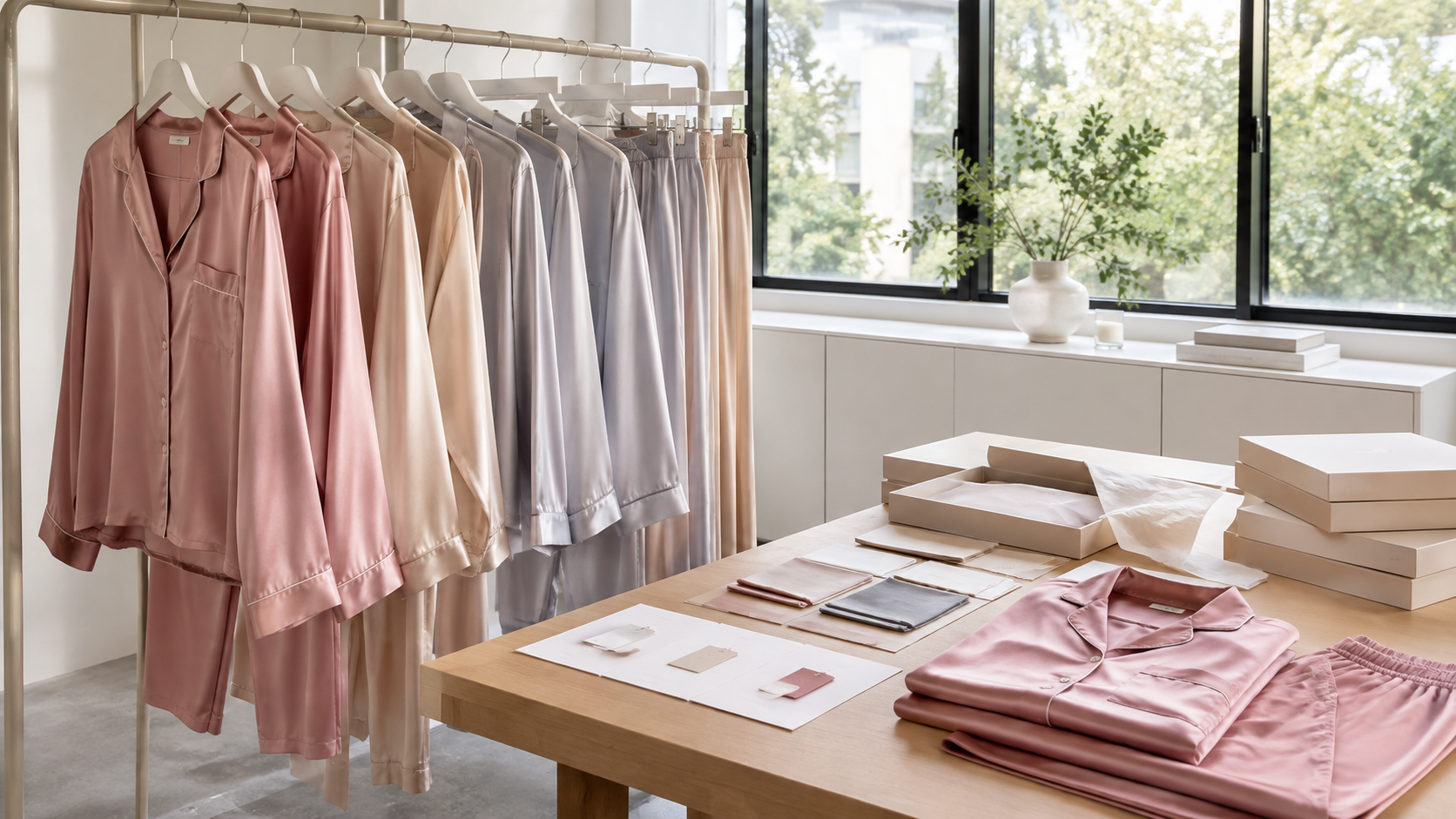
What Other Beauty and Lifestyle Brands Can Learn
1. The New Category Should Connect With the Existing Brand
2. Start With a Focused Product
3. Choose Fabric for Both Brand Image and Garment Performance
4. Brand Colors Need to Be Tested on Fabric
5. Apparel Fit Requires Its Own Development Process
6. Small Details Shape Premium Perception
7. Think Beyond the First Launch
Why Cross-Industry Brands Can Benefit From an Experienced Sleepwear Manufacturer
Conclusion
Thinking About Expanding Your Brand Into Sleepwear?
Are you looking for a reliable sleepwear manufacturer for your brand?
From product development to bulk production, we provide custom sleepwear solutions with professional support for global brands.