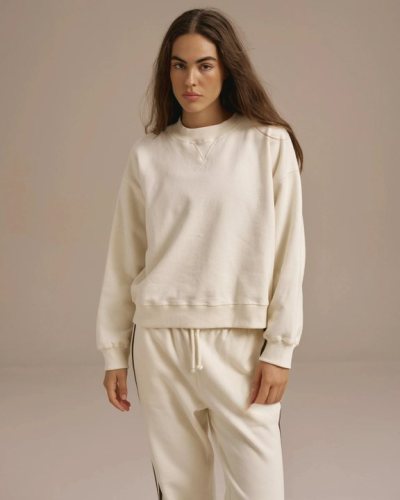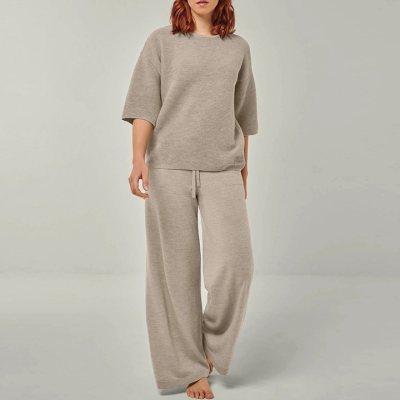
Bamboo Sleepwear Trends 2026: Market Data & Private Label Manufacturing Opportunities
1. Global Market Overview: Bamboo Apparel on the Rise

The bamboo apparel market is gaining strong global traction as consumer preferences shift toward sustainable fashion choices and environmentally responsible textiles. According to Persistence Market Research, the global bamboo apparel market is expected to be valued at approximately US$ 2.5 billion in 2026 and is projected to reach US$ 4.1 billion by 2033, registering a CAGR of 7.5%. Other industry analyses project even stronger growth, with the bamboo clothing industry forecast to grow from USD 2.925 billion in 2025 to USD 8.933 billion by 2035, at a CAGR of 11.81%.
The broader bamboo textile market is also expanding rapidly, with expectations to reach USD 287.28 billion by 2035, exhibiting a CAGR of 7.33%. This growth is primarily driven by:
- Increasing demand for sustainable and eco-friendly textiles
- Rising consumer awareness of the environmental impact of traditional textile production
- Superior fabric properties including softness, breathability, antibacterial qualities, and moisture management
- Growing adoption of bamboo-based fabrics across apparel categories from activewear to sleepwear
For sleepwear brands, this presents a significant opportunity. Bamboo fabric has moved beyond niche eco-conscious markets into mainstream categories such as loungewear, sleepwear, and luxury bedding.
2. Regional Market Trends
2.1 North America: Leading the Sustainable Sleepwear Movement
North America remains the largest market for bamboo apparel, holding approximately 35% market share, supported by strong consumer sustainability awareness, mature e-commerce infrastructure, and premium apparel demand.
In the United States and Canada, consumers are increasingly interested in:
- Natural fiber clothing that combines comfort with environmental responsibility
- Sustainable fashion that aligns with wellness-oriented lifestyles
- Premium sleepwear products that offer both luxury feel and everyday comfort
The sustainable fashion market in the U.S. was estimated at US$ 2.7 billion in 2025, with the global sustainable fashion market projected to grow from USD 12.44 billion in 2026 to USD 27.96 billion by 2034 at a CAGR of 10.25%. Research indicates that approximately 66% of the global population is willing to pay a premium for environmentally friendly products, with European consumers showing even higher willingness at 72%. US shoppers, according to industry estimates, are willing to pay about 13% more for sustainable goods.
For sleepwear brands targeting North American consumers, bamboo pajamas and bamboo lounge sets have become attractive product categories that combine soft luxury with sustainable brand positioning.
2.2 Europe: Sustainability Regulations Accelerate Eco-Friendly Apparel
Europe has become one of the leading markets promoting sustainable fashion, with the region dominating the global sustainable fashion market with a 34.21% share in 2025. Europe is also the fastest-growing regional market for bamboo apparel, expected to expand at a CAGR of 9.4%, driven by stringent sustainability regulations and circular textile initiatives.
Countries including Germany, France, the Netherlands, Sweden, and Denmark have particularly strong consumer demand for environmentally responsible products. European fashion brands are increasingly focusing on:
- Sustainable materials and transparent supply chains
- Responsible production practices and product durability
- Compliance with the EU Strategy for Sustainable and Circular Textiles, which encourages sustainable fiber adoption and creates significant long-term opportunities for certified bamboo apparel manufacturers
For sleepwear brands, bamboo fabric provides a practical solution for developing products aligned with these sustainability expectations while maintaining premium quality and comfort.
2.3 Asia-Pacific: Manufacturing Hub and Growing Consumer Base
Asia-Pacific plays a dual role in the bamboo sleepwear industry - both as the world's primary textile manufacturing hub and as a rapidly growing consumer market.
China, as one of the world's major textile manufacturing hubs, has strong advantages in:
- Bamboo fiber supply chain and raw material availability
- Fabric development and innovation
- Apparel production capability and cost efficiency
The Asia-Pacific region is emerging as a high-growth market, driven by abundant raw material availability, increasing textile manufacturing capabilities, and growing middle-class populations. Countries such as Japan, South Korea, and Australia are also seeing increasing interest in sustainable textile development.
For international brands, working with experienced bamboo sleepwear manufacturers in the Asia-Pacific region provides access to stable fabric sourcing, professional production technology, and flexible customization services.
3. Why Brands Are Choosing Bamboo Fabric for Sleepwear
3.1 Exceptional Softness and Premium Hand Feel
Sleepwear directly contacts the skin, making fabric comfort a critical factor for consumer satisfaction. Bamboo-based fabrics are popular because they provide:
- A smooth, silky texture that feels luxurious against the skin
- Lightweight wearing experience suitable for year-round comfort
- Natural softness that improves with each wash
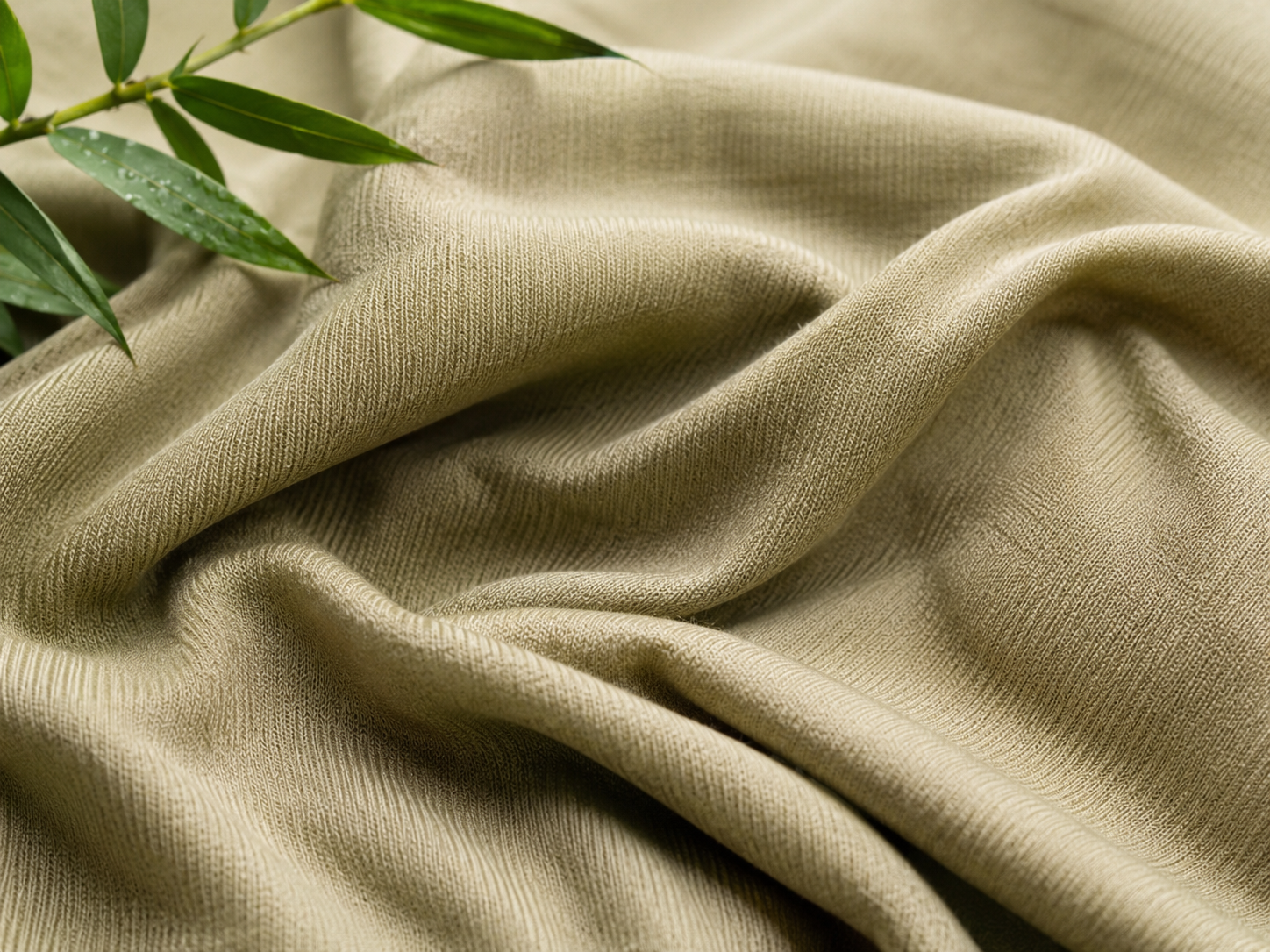
Bamboo fabric is naturally soft, lightweight, and breathable, providing superior comfort for everyday wear. This makes bamboo particularly suitable for pajama sets, lounge sets, robes, and family sleepwear collections.
3.2 Breathability and Moisture Management
Many consumers experience discomfort caused by overheating during sleep. Bamboo sleepwear is valued for its:
- Breathable structure that allows air circulation
- Superior moisture-wicking properties that draw sweat away from the skin
- Temperature-regulating capabilities that help maintain comfortable body temperature throughout the night
Bamboo fabric also possesses antibacterial and hypoallergenic qualities, making it suitable for sensitive skin. These properties make bamboo pajamas especially suitable for summer sleepwear collections, premium lifestyle brands, and wellness-focused products.
3.3 Environmental Sustainability
Sustainability has become an essential component of brand storytelling and consumer decision-making. Bamboo offers compelling environmental advantages:
- Bamboo grows rapidly without requiring intensive irrigation or heavy pesticide use, making it an attractive renewable resource compared to conventional cotton
- Bamboo cultivation has a lower environmental impact, significantly reducing the carbon footprint associated with fabric production
- Bamboo fabric is biodegradable, breaking down quickly without leaving harmful pollutants
A 2023 McKinsey & Company survey found that more than 60% of consumers consider sustainability an important factor when purchasing apparel, with Millennials and Generation Z leading this shift. Environmentally conscious consumers actively support brands that demonstrate transparent sourcing practices and environmentally responsible manufacturing.
For growing fashion brands, bamboo sleepwear can help communicate natural lifestyle values, environmental awareness, and premium product positioning.
4. How Global Brands Develop Bamboo Sleepwear Collections
Creating successful bamboo sleepwear requires more than selecting sustainable fabric. Professional brands typically focus on several key areas:
Fabric Selection
Choosing suitable bamboo fabric according to:
- Softness requirements and desired hand feel
- Weight (GSM) appropriate for target season and market
- Fabric type - bamboo-viscose dominates the fabric type segment with approximately 48% market share, owing to its commercial maturity and cost-effectiveness
- Blended options such as bamboo-cotton or bamboo-spandex for enhanced flexibility and comfort
Product Design
Popular bamboo sleepwear styles include:
- Bamboo pajama sets (two-piece and one-piece)
- Bamboo lounge sets for casual comfort
- Bamboo robes and loungewear
- Bamboo family pajamas and matching sets
Manufacturing Quality
Reliable production requires:
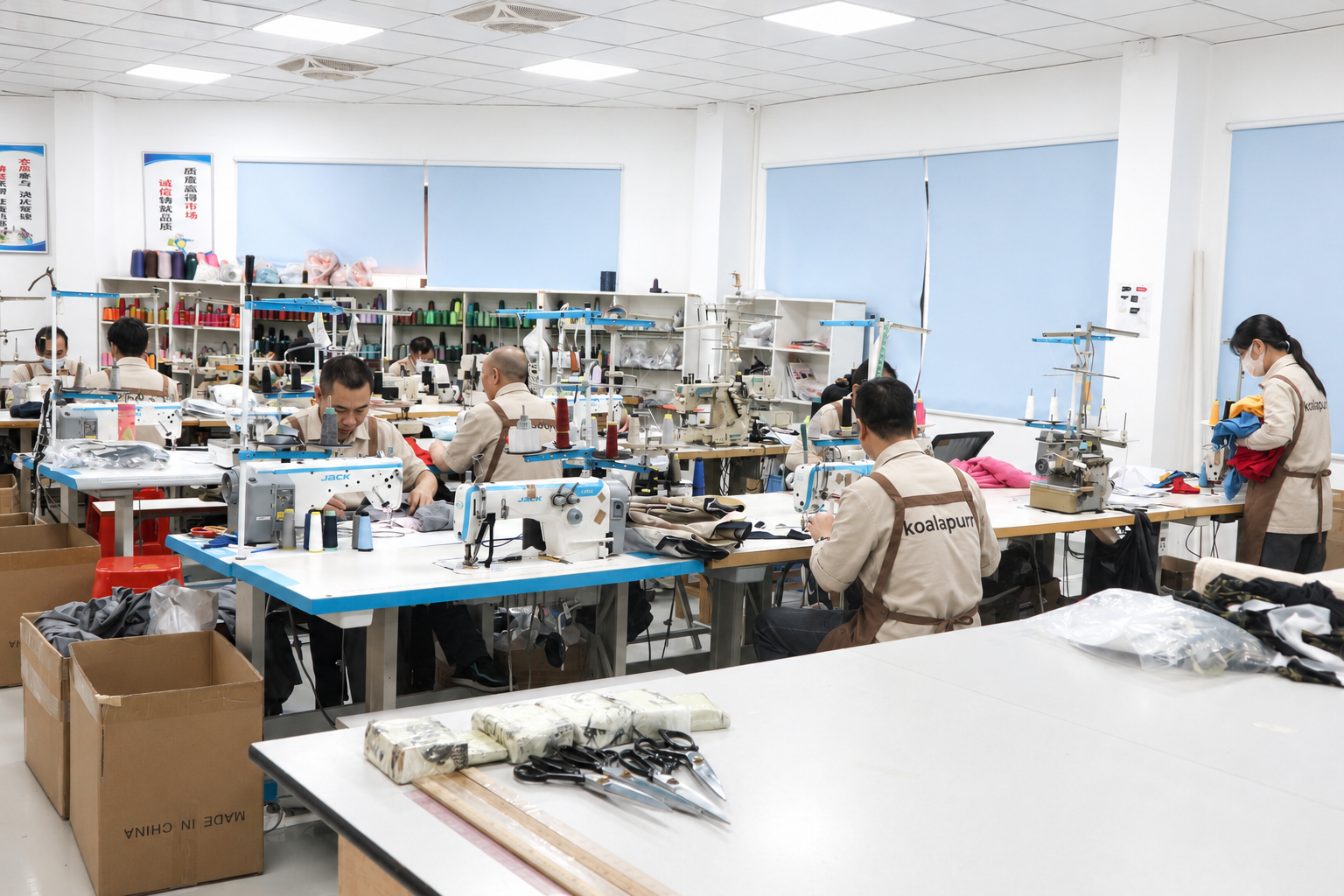
- Rigorous fabric inspection and quality control
- Precise cutting and sewing techniques
- Final product inspection and packaging standards
- Adherence to certifications such as OEKO-TEX for chemical safety
A professional sustainable sleepwear manufacturer helps brands transform concepts into market-ready collections through expertise in fabric sourcing, product development, and quality manufacturing.
5. The Future of Bamboo Sleepwear
As consumers continue prioritizing comfort, sustainability, and product quality, bamboo sleepwear is expected to remain an important growth direction in the global apparel market. Key trends shaping the future include:
- Expansion across product categories: From casual wear to performance clothing, bamboo-based fabrics are being adapted to meet evolving fashion trends, including athleisure wear and luxury sleepwear
- Innovation in fabric processing: Companies are investing in advanced techniques to improve durability, softness, and performance of bamboo textiles
- Growth of online distribution: E-commerce platforms enable brands to connect directly with consumers and promote sustainability narratives effectively
- Increasing regulatory support: The EU Strategy for Sustainable and Circular Textiles and similar initiatives worldwide are creating long-term opportunities for certified sustainable textile manufacturers
For brands entering the sleepwear category or expanding their sustainable collections, choosing the right manufacturing partner is essential.

About KoalaPurr
KoalaPurr provides customized sleepwear manufacturing solutions for global brands, including:
- Bamboo sleepwear and bamboo pajama sets
- Modal pajamas and loungewear
- Cotton sleepwear collections
- Private label pajamas and custom lounge collections
- OEM and ODM services for international markets
By combining sustainable fabric expertise, product development support, and extensive manufacturing experience, KoalaPurr helps brands create comfortable, responsible, and market-ready sleepwear collections that meet the demands of today's eco-conscious consumers.