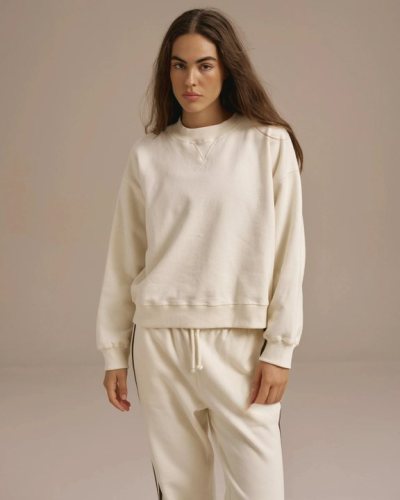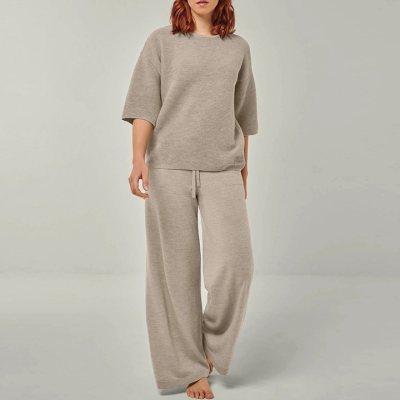
Custom pajama sampling is the process of turning a design, tech pack, reference garment or product concept into a physical sample that can be reviewed before bulk production.
A typical sleepwear sampling process may include project review, fabric selection, technical preparation, pattern development, first sample creation, fit and measurement review, print or trim confirmation, revisions and final sample approval.
Not every pajama project requires exactly the same number or type of samples. A simple repeat style may need fewer development steps, while a new fabric, custom print or completely new silhouette may require additional testing and revisions.
The purpose of sampling is not simply to "see what the pajamas look like." It is to identify and solve product-development issues before those issues are repeated across a bulk order.
Quick Answer: What Is the Custom Pajama Sampling Process?
A typical custom pajama sampling process follows these stages:
| Stage | What Is Confirmed |
| 1. Project Review | Design, product type, quantity and target requirements |
| 2. Fabric Selection | Composition, construction, GSM, color and hand feel |
| 3. Technical Preparation | Tech pack, measurements and construction |
| 4. Pattern Development | Garment shape and dimensions |
| 5. First Sample | Initial physical version of the pajama |
| 6. Fit & Measurement Review | Fit, proportions and measurements |
| 7. Print & Trim Review | Artwork, piping, buttons, labels and details |
| 8. Sample Revision | Corrections based on feedback |
| 9. Final Approval | Approved fabric, fit, construction and details |
| 10. Production Handoff | Approved information transferred to bulk production |
The exact process should be adapted to the complexity of the product.
1. Start With a Clear Pajama Development Brief
Sampling begins before any fabric is cut.
The manufacturer first needs to understand what the brand is trying to develop.
Useful starting information includes:
- Product type
- Reference images
- Technical drawings
- Tech pack
- Target customer
- Size range
- Desired fit
- Fabric preference
- Color
- Print artwork
- Logo requirements
- Labels
- Packaging
- Estimated order quantity
- Target launch date
A brand does not always need a complete tech pack before contacting a manufacturer.
The required starting information depends partly on whether the project is more OEM-oriented or ODM-oriented.
For an OEM project, specifications are usually more complete.
For an ODM project, the brand may begin with reference images, design direction and target requirements, while additional product details are developed together with the manufacturer. If you need support structuring the early stages, a sleepwear product development service can help organize the brief.
Manufacturer's Note
A reference photo can communicate visual direction, but it usually does not provide enough information for accurate production.
The manufacturer may still need to determine:
fabric + measurements + construction + fit + artwork + trims + finishing
before the product becomes production-ready.
2. Review the Tech Pack or Product Specifications
For a well-developed OEM pajama project, a tech pack provides the technical foundation for sampling.
It may include:
- Front and back drawings
- Measurement specifications
- Size chart
- Fabric information
- Stitching details
- Seam construction
- Collar construction
- Pocket position
- Piping width
- Button specification
- Elastic specification
- Print artwork
- Logo placement
- Label details
- Packaging instructions
The manufacturer's product-development team should review these specifications before making the first sample.
This review is important because drawings and physical garments do not always behave in exactly the same way.
For example, a measurement may technically be possible but produce an unexpected proportion once combined with a particular fabric.
What If You Do Not Have a Tech Pack?
Sampling can still begin if the manufacturer provides product-development support.
The brand may supply:
- A reference garment
- Rough sketch
- Reference photos
- Existing size chart
- Fabric direction
- Desired fit
The manufacturer can then help organize the missing technical information before or during development.
However, the specifications should become increasingly clear as the product moves toward approval.
3. Select the Pajama Fabric Before Developing the Final Fit
Fabric is one of the most important variables in sleepwear sampling.
The same pajama pattern can behave differently when made from:
- Cotton jersey
- Modal jersey
- Viscose
- Woven cotton
- Satin
- Silk
- Flannel
- Interlock
- Other knit or woven constructions
Before sampling, brands should confirm as much as possible about:
Fiber Composition
What is the actual material?
Fabric Construction
Is it knit or woven?
Is it jersey, interlock, rib, poplin, satin construction, flannel or another structure?
Fabric Weight
What GSM or weight direction is suitable?
Stretch and Recovery
Particularly important for knit pajamas and loungewear.
Hand Feel
Does it match the desired product positioning?
Drape
How does the fabric fall on the body?
Color
Is the project using a stock color or custom color?
Printing Compatibility
Will the chosen printing process work with the material?
For guidance on comparing cotton, modal, viscose, satin and silk, see our guide to the best fabrics for custom pajamas, or browse the sleepwear fabric library.
Manufacturer's Note
Avoid completing multiple rounds of fit approval in one fabric and then switching to a substantially different fabric at the end.
A change in fabric can alter:
- Drape
- Stretch
- Recovery
- Shrinkage
- Opacity
- Garment proportions
and may require the sample to be reviewed again.
4. Develop or Adjust the Pajama Pattern
After the main specifications and fabric direction are clear, the pattern is prepared.
The pattern determines the shape of garment components such as:
- Front body
- Back body
- Sleeve
- Collar
- Cuff
- Pocket
- Waistband
- Shorts
- Pants
- Facing
For an existing style, the manufacturer may adjust an established pattern according to the brand's measurements.
For a completely new design, more pattern development may be required.
The pattern needs to work together with both the intended fit and the chosen fabric.
For example, a relaxed woven pajama shirt and a stretch modal lounge top should not automatically use the same pattern logic simply because their finished measurements look similar on paper.
5. Make the First Pajama Sample
The first physical sample allows the brand and manufacturer to see how the product specifications work together.
This sample should be treated as a development tool, not automatically as the final production standard.
Depending on the project, the first sample may be used to evaluate:
- Overall silhouette
- Garment length
- Width
- Sleeve shape
- Neckline
- Collar
- Waist
- Rise
- Pocket position
- Piping
- Buttons
- Elastic
- Construction
- Fabric behavior
At this stage, the goal is to find what needs to change.
A first sample that requires revisions does not necessarily indicate poor manufacturing.
The more important question is whether the problems are identified correctly and whether the next sample reflects the agreed changes.
6. Review Pajama Fit and Measurements
Once the first sample is completed, review both measurements and appearance.
They are related, but they are not the same thing.
Measurement Review
Compare the garment against the agreed specification.
Depending on the design, this may include:
- Chest
- Shoulder
- Body length
- Sleeve length
- Waist
- Hip
- Rise
- Inseam
- Outseam
- Leg opening
Fit Review
Then evaluate how the garment actually sits on the body or fit form.
Check:
- Overall proportion
- Ease
- Shoulder position
- Sleeve shape
- Collar behavior
- Waist comfort
- Rise
- Leg width
- Garment balance
- Movement
A garment can technically meet many measurements but still need adjustments to achieve the intended look.
Manufacturer's Note
Do not describe all fit feedback with words such as:
tighter
looser
longer
shorter
Whenever possible, convert feedback into measurable changes.
Instead of:
"Make the top slightly shorter."
use:
"Reduce finished body length by 2 cm."
Clear feedback reduces misunderstanding between the brand, pattern team and sample room.
7. Review Print Scale, Placement and Color
Custom printed pajamas require an additional approval layer.
For an all-over print, brands should consider:
- Artwork scale
- Repeat size
- Repeat direction
- Color
- Background color
- Pattern density
- Garment orientation
- Placement around major components
The same artwork can look very different when applied to:
- A pajama shirt
- Sleeve
- Pocket
- Shorts
- Wide-leg pants
- Robe
A print that looks balanced on a digital artwork file may feel too large or too small when worn.
For placement prints, confirm:
- Size
- Position
- Distance from seams
- Orientation
- Relationship to garment size
For more detail on production methods, review our sleepwear printing and customization techniques.
Manufacturer's Note
For all-over printed sleepwear, the fabric or garment sample should be used to evaluate the visual scale.
Do not rely only on the artwork displayed on a computer screen.
Sampling is where the brand can see how the artwork interacts with real garment pattern pieces.
8. Confirm Trims and Branding Details
Sampling is also the stage where private label details should begin to become clear.
Depending on the pajama style, this may include:
- Buttons
- Piping
- Lace
- Elastic
- Drawcord
- Zipper
- Main label
- Size label
- Care label
- Embroidery
- Hangtag
- Packaging
Confirm not only whether a trim looks correct, but also whether it is practical for production.
For example:
A button may look attractive but have:
- Long sourcing time
- High MOQ
- Color inconsistency
- Limited replacement availability
A trim decision can therefore affect both the sample and bulk-production plan.
9. Record Sample Comments Clearly
After reviewing the sample, create a clear revision record.
Do not rely on scattered messages such as:
Sleeve shorter
Change color
Pocket bigger
Fabric softer
A structured sample comment sheet is much safer.
It can include:
| Item | Current | Required Change |
| Body Length | 68 cm | Reduce to 66 cm |
| Sleeve | Too wide | Reduce bicep width by 1 cm |
| Pocket | Too low | Move upward 2 cm |
| Print | Too large | Reduce artwork scale |
| Piping | Too dark | Change to approved color |
| Waist Elastic | Too firm | Review elastic specification |
Photos with arrows or annotations can also help communicate visual changes.
One Revision, One Record
Whenever a change is approved, update the relevant development document.
The goal is to avoid a situation where:
- One specification exists in the tech pack
- Another exists in an email
- Another exists in a chat message
- Another appears on the physical sample
The final production team should work from one clearly approved version.
10. Make a Revised Sample When Necessary
Not every project needs multiple sample rounds.
But a revised sample is useful when important changes affect:
- Fit
- Pattern
- Fabric
- Construction
- Print
- Color
- Major trims
Small non-critical changes may sometimes be confirmed through another agreed method, depending on the project and level of risk.
The important principle is:
Changes that could materially affect the final garment should be verified before they are repeated in bulk.
A new sleepwear collection usually deserves more careful development than a repeat order of an already approved style.
What Types of Pajama Samples Might Be Used?
Different manufacturers may use different terminology, and not every project requires every type.
Development or Prototype Sample
Used to turn the initial concept into a physical garment.
Fit Sample
Focused mainly on measurements, balance and garment fit.
Fabric or Print Sample
Used when fabric, color or artwork requires separate review.
Revised Sample
Made after changes to the first sample.
Size Set
Samples in selected sizes used to review grading or size progression when required.
Pre-Production or Approval Sample
A sample representing the agreed product before bulk manufacturing begins.
The name of the sample is less important than understanding:
What exactly is being approved at that stage?
11. Approve the Final Pajama Sample
Final sample approval should mean that the key product requirements are sufficiently clear for production.
Depending on the project, confirm:
Fabric
- Composition
- Construction
- Weight
- Hand feel
- Color
Garment
- Measurements
- Fit
- Construction
- Stitching
Design
- Print
- Embroidery
- Piping
- Buttons
- Trims
Branding
- Main label
- Care label
- Size label
- Hangtag
Packaging
- Folding
- Polybag
- Stickers
- Other requirements
Do not approve a sample with a long list of unresolved assumptions.
The closer the approved sample is to the intended bulk product, the stronger the reference becomes for production.
12. Transfer the Approved Sample Into Bulk Production
Sampling does not end when the brand says:
"Approved."
The approved information still needs to be transferred correctly into production.
The production team should work from the final approved:
- Sample
- Tech pack
- Measurements
- Fabric
- Color
- Print
- Trim specifications
- Label information
- Packaging instructions
The approved sample then becomes an important reference during:
- Production preparation
- Sewing
- Measurement checks
- Finishing
- Final inspection
This transition is one of the reasons good documentation during sampling matters. For brands moving into manufacturing, OEM sleepwear production works from the approved sample and final specification.
How Long Does Custom Pajama Sampling Take?
There is no universal sampling time for every pajama project.
Timing depends on factors such as:
- Fabric availability
- Pattern complexity
- Custom printing
- Custom dyeing
- Trim development
- Number of revisions
- Brand approval speed
For KoalaPurr projects, sampling typically takes around 7–14 days, depending on the fabric, design, customization and confirmation progress.
A straightforward sample using available materials may move faster than a project that requires custom fabric, print development or several rounds of revisions.
What Usually Causes Sampling Delays?
Common causes include:
- Fabric not confirmed
- Artwork incomplete
- Measurements changing
- Color not approved
- Trim unavailable
- Feedback arriving in separate messages
- Significant changes after the first sample
- Waiting for brand confirmation
In many projects, the delay is not caused by sewing itself.
It is caused by unresolved product decisions.
Does a Pajama Sample Use the Final Production Fabric?
Ideally, the final approval stage should represent the intended production material as closely as practical.
However, during early development, a substitute or available fabric may sometimes be used when the purpose of the sample is primarily to review:
- Shape
- Measurements
- Construction
If a substitute fabric is used, both parties should clearly understand what has not yet been approved.
For example:
Fit approved
Final fabric pending
is different from:
Sample fully approved for production.
This distinction should be recorded clearly.
How Much Should Brands Change After the First Sample?
There is no ideal number of changes.
The objective should be to make the changes necessary to produce the intended product—not to minimize revisions at all costs.
However, major design changes after several sample rounds can increase:
- Development time
- Sample cost
- Material use
- Confusion
- Launch risk
Brands can reduce unnecessary revisions by defining the product direction clearly before sampling starts.
What Should You Check Before Approving a Pajama Sample?
Use this checklist.
| Area | Check |
| Fabric | Correct material, hand feel and weight |
| Color | Matches approved direction |
| Fit | Silhouette and wearing ease |
| Measurements | Meets agreed specifications |
| Construction | Seams, collar, pockets and closures |
| Print | Scale, color, repeat and placement |
| Trims | Buttons, piping, elastic and decoration |
| Branding | Labels and logo placement |
| Workmanship | Sewing and finishing |
| Care Information | Required label content prepared |
| Packaging | Packaging method confirmed |
| Documentation | Final revisions recorded |
If an important requirement is still unclear, resolve it before treating the product as production-ready.
If you are still comparing suppliers, our guide on how to choose a pajama manufacturer covers sampling capability, fabric knowledge, MOQ, quality control and lead time before you commit.
Common Pajama Sampling Mistakes Brands Should Avoid
Starting Before the Product Direction Is Clear
Too many unresolved decisions create unnecessary sample rounds.
Choosing Fabric From Photos Only
Photos cannot reliably communicate hand feel, stretch, weight or drape.
Changing Fabric After Fit Approval
A substantially different fabric may change the finished garment behavior.
Giving Vague Fit Feedback
Use measurements whenever possible.
Approving Print Only on Screen
Review print scale and appearance on actual material or garments where necessary.
Changing Multiple Details Without Updating the Tech Pack
All approved revisions should eventually exist in one final specification.
Treating the First Sample as the Bulk Standard Automatically
The first sample is usually for evaluation, not automatic approval.
Approving With Unresolved Details
"Fix it in bulk" introduces unnecessary production risk.
OEM vs ODM: Does the Sampling Process Change?
Yes, but the core objective remains the same.
OEM Sampling
The main focus is usually:
Can the manufacturer accurately execute the brand's existing specifications?
The brand generally provides more complete technical information.
If you are still deciding between models, compare OEM vs ODM sleepwear manufacturing for your project.
ODM Sampling
The process may involve more development decisions around:
- Fabric
- Fit
- Measurements
- Construction
- Product details
The sample therefore plays a larger role in shaping the final product.
For brands developing from a concept, ODM sleepwear development covers fabric, fit and sampling support.
In both cases, the end goal is an approved, documented product that can be reproduced consistently in bulk production.
Frequently Asked Questions About Custom Pajama Sampling
Do I need a tech pack to make a pajama sample?
Not always. A tech pack makes OEM development more precise, but brands without a complete tech pack may work with an ODM manufacturer using reference images, garments, sketches and product requirements.
Should I choose fabric before making a pajama sample?
Whenever possible, the intended fabric should be selected early because fabric construction, weight, stretch and drape can affect the fit and appearance of the finished pajamas.
How many pajama samples are usually needed?
There is no fixed number. A simple, well-defined style may require fewer revisions, while a new silhouette, fabric or custom print may require additional sampling.
How long does a custom pajama sample take?
KoalaPurr's typical sampling period is around 7–14 days, although the actual time depends on fabric availability, product complexity, customization and approval progress.
Can I change the fabric after approving the sample?
You can, but a substantially different fabric may change fit, stretch, drape, shrinkage and garment appearance. The updated material may need to be sampled or reviewed again.
What should I check when receiving a pajama sample?
Check fabric, fit, measurements, construction, print, color, trims, branding and overall workmanship against the agreed product specifications.
Should a printed pajama sample use the final artwork?
Important print details should be confirmed before bulk production. At minimum, brands should verify final artwork scale, color direction, repeat and placement using an appropriate physical sample or fabric submission.
What happens after the pajama sample is approved?
The approved sample and final specifications are transferred to production preparation, where materials, measurements, construction details, artwork, labels and packaging requirements are confirmed for bulk manufacturing.
About KoalaPurr Product Development Team
This guide was written by the KoalaPurr Product Development Team and reviewed by the KoalaPurr Sleepwear Manufacturing Team. Last updated: August 2026.
KoalaPurr is an OEM, ODM and private label sleepwear manufacturer producing women's sleepwear, robes, men's sleepwear, kids' pajamas and maternity wear for brands in North America, Europe and beyond. Our team handles the full development cycle, from fabric sourcing, pattern and fit development and sampling to bulk production, quality inspection and packaging.
In-house capabilities include:
- Sample development typically within 7–14 days
- Tech pack review and product-development support
- Fit and measurement review with measurable revision records
- Print scale, color and placement approval on physical samples
- Bulk production from 100 pieces per style per color, commonly 24–30 days after approval
- Four-stage quality control: material review, in-line checks, finished garment and packing inspection
Every guide in this series is based on our daily production experience with real brands. If you are preparing a custom pajama sample for your own collection, share your project with our team and we will help you review the development path before you commit to sampling.
Ready to Develop Your Custom Pajama Sample?
A successful pajama sample should answer the important product questions before bulk production begins.
Whether you already have a complete tech pack or are starting from a reference image and product concept, the development process should progressively confirm:
fabric → construction → fit → print → trims → branding → final approval
As a custom sleepwear manufacturer, KoalaPurr supports sleepwear brands through fabric review, product development, custom pajama sampling, fit adjustments, printing and preparation for bulk manufacturing.
Share your tech pack, reference sample, drawing or product idea with our team to discuss the next development step, or contact our sleepwear development team directly.
Explore Our Product Development Service Explore ODM Sleepwear Development Discuss Your Pajama Project