KoalaPurr is a loungewear manufacturer specializing in custom pajamas, lounge sets, and robes. We support fabric selection and sampling to private label production service.
Fabrics & Materials
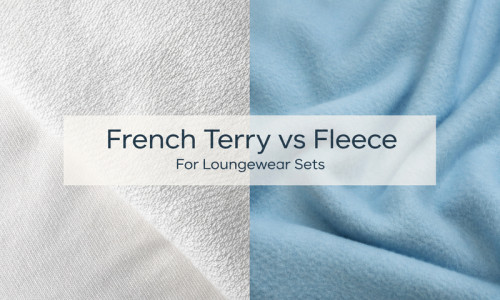
 French Terry vs Fleece: Which Is Better for Loungewear Sets?Nov 18,2026French terry and brushed fleece can look identical from the outside, so the real difference shows on the inside: unbrushed loops versus a raised, brushed nap. This guide compares the two for loungewear sets across warmth, next-to-skin feel, weight and drape, and behaviour after washing, then explains which construction suits an everyday loopback set, a cozy cold-weather set, or a specific silhouette.
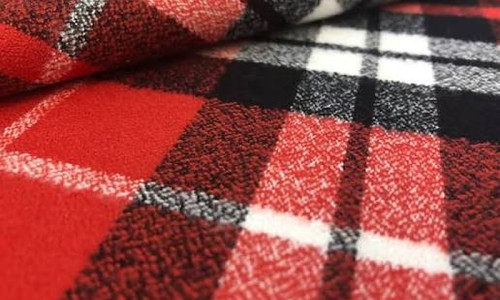
- What Is Flannel Fabric? Types, Properties, and UsesNov 16,2026Flannel is a soft, usually woven fabric with a lightly brushed surface, and it can be made from cotton, wool, synthetics or blends. This guide covers the four main types, the properties that matter when you wear it or specify it, and where flannel works best - from pajamas and robes to shirts, tailoring and bedding - plus how plaid pattern and flannel cloth are two different things.
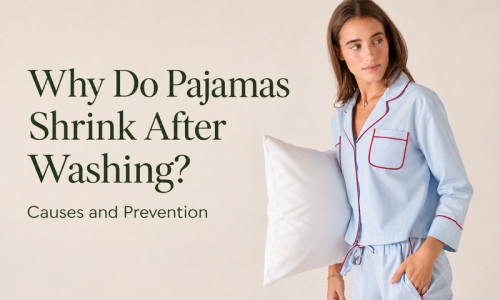
- Why Do Pajamas Shrink After Washing? Causes and PreventionNov 13,2026Pajamas often come back from the laundry shorter than they went in. This guide explains the real causes — fabric relaxation, washing and drying action, construction and finishing — compares how cotton, modal, viscose, polyester, silk and satin behave, and sets out a washing and drying routine that reduces avoidable shrinkage, with notes on restoring a shrunken pair and on wash testing during development.
- Cotton Poplin vs Cotton Jersey: Which Is Better for Pajamas?Nov 6,2026Both cotton poplin and cotton jersey can be labeled 100% cotton, yet they feel and behave differently. Poplin is a woven fabric with a smooth, crisp surface that holds a defined shape, while jersey is knitted and stretches naturally. This guide compares softness, movement, breathability, washing performance, and the pajama styles each fabric suits best.
- What Is GSM in Fabric? How Fabric Weight Affects ClothingNov 4,2026GSM measures how much one square meter of fabric weighs, and that number shapes how a fabric drapes, feels and covers. This guide explains what GSM means, how the lightweight, medium and heavy bands work, how to calculate and convert it, and which ranges suit pajamas and loungewear.
- Why Do People Still Love 100% Cotton Pajamas?Nov 2,2026Cotton still leads sleepwear preference: 72% of U.S. consumers surveyed in 2023 chose cotton for pajamas. This guide explains why cotton remains comfortable and familiar, how jersey, poplin, double gauze and flannel differ despite sharing one fiber, which construction details affect comfort, and what that preference means for sleepwear brands building cotton collections.
- Modal vs Viscose vs Lyocell: What Is the Difference?Oct 30,2026Modal, viscose and lyocell are all regenerated cellulose fibers, which is why they can look and feel alike. This guide compares how each one is made, how they behave in wear and washing, and which of them suits knit pajamas, flowing pajama sets and relaxed lounge styles.
- Best Fabrics for Robes: How to Choose the Right MaterialOct 28,2026Robes do different jobs: absorb water after a shower, add a light layer over pajamas, or keep the wearer warm. This guide compares cotton terry, waffle, lightweight cotton and gauze, linen, modal jersey, silk and polyester satin, fleece and cotton flannel, and explains how weight, drape, care and cost decide which one suits your collection.
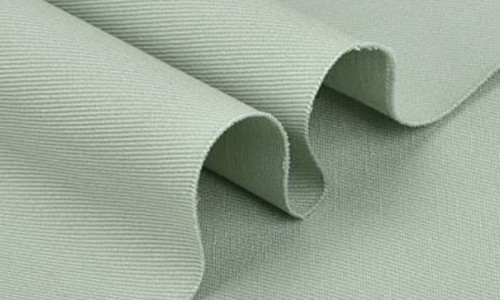
- Woven Fabric Explained: How It’s Made and Why It Feels DifferentOct 16,2026Woven fabric is made by interlacing warp and weft yarns on a loom, which is why it holds its shape and feels the way it does. This guide explains how weaving works, how poplin, denim, chiffon and satin differ, what woven fabrics do less well, and where they fit in clothing and sleepwear.
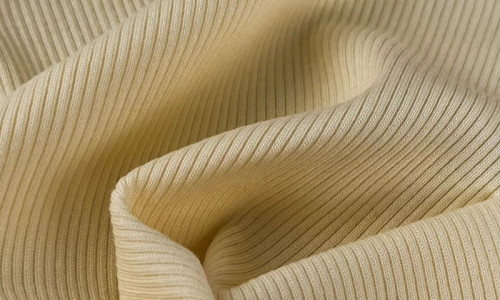
- Knit Fabric Explained: From Everyday T-Shirts to Soft LoungewearOct 15,2026Knit fabric is built from connected loops, which is why it stretches and moves the way it does. This guide explains how knitting works, how jersey, rib, interlock and French terry differ, what knit does less well, and how to choose a knit for pajamas and loungewear.
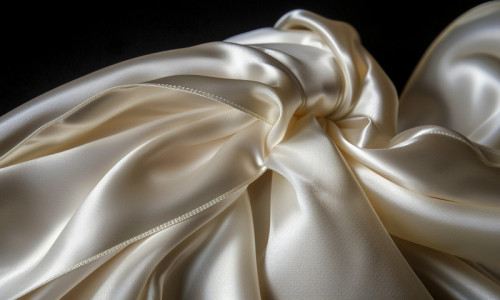
- What Is Satin Fabric? Properties, Types and UsesOct 14,2026Satin describes how a fabric is woven, not what it is made from. This guide explains what gives satin its shine, how charmeuse, duchess and crepe-back satin differ, how satin compares with silk, and how to choose satin for pajamas, robes and loungewear.
- What Is Viscose Fabric? A Practical Guide for Clothing BrandsOct 6,2026A practical guide to viscose fabric for clothing brands: what viscose really is, how it is made from plant-based cellulose, why it drapes and absorbs moisture so well, where it works in dresses, pajamas, loungewear and robes, when 100% viscose or a blend with elastane, cotton, linen or polyester makes more sense, how viscose compares with modal and lyocell, whether viscose is sustainable, and what to check before approving a fabric for production.

Are you looking for a reliable sleepwear manufacturer for your brand?
From product development to bulk production, we provide custom sleepwear solutions with professional support for global brands.KoalaPurr is a loungewear manufacturer specializing in custom pajamas, lounge sets, and robes. We support fabric selection and sampling to private label production service.