Home / All / Sleepwear Manufacturing Guide / What to Ask a Pajama Manufacturer Before Sampling

What to Ask a Pajama Manufacturer Before Sampling

Aug 27,2026

Before paying for a custom pajama sample, ask the manufacturer about product capability, fabric options, MOQ, sample scope, revision process, printing, measurements, labels, quality control, bulk lead time and exactly what is included in the quotation.

The goal is not to ask as many questions as possible. It is to identify important production assumptions before the first sample is made.

A clear pre-sampling discussion can reduce unnecessary revisions, unexpected material minimums, pricing changes and misunderstandings when the product moves into bulk production. To build this process into your supplier search, start with our guide on how to choose a pajama manufacturer, then use the checklist below before your first sample.

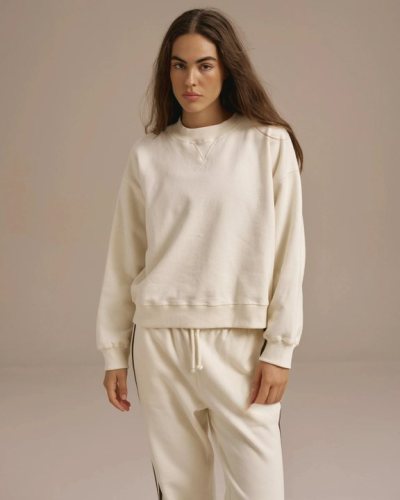
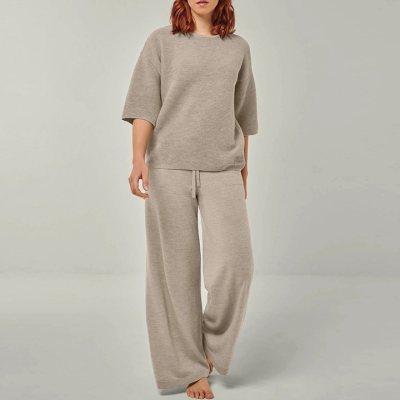
Sleepwear product team reviewing pajama sample requirements fabrics measurements and customization before sampling

Quick Answer: What Should You Ask Before Pajama Sampling?

A capable manufacturer should be able to explain these areas clearly rather than simply answering yes or no:

QuestionWhy It Matters
Can you manufacture this type of pajama?Confirms product-specific capability
What information do you need from me?Prevents incomplete sample development
Do you offer OEM, ODM or both?Clarifies development responsibility
Which fabrics are suitable?Connects design with real textile options
Is the fabric stock or custom?Affects MOQ, price and lead time
What is the MOQ per style and color?Helps calculate realistic collection size
Are there separate fabric or print MOQs?Avoids surprises after sampling
What does the sample fee include?Clarifies development scope
How long will sampling take?Helps plan the launch timeline
How are revisions handled?Defines what happens after the first sample
Will the sample use bulk fabric?Prevents false approvals
How are fit and measurements reviewed?Reduces fit problems
How are prints and colors approved?Important for printed pajamas
Can you support private labels?Confirms branding capability
How does the sample move into bulk?Protects approved specifications
How is production quality controlled?Evaluates manufacturing reliability
What is the bulk lead time?Supports launch planning
What is included in the quotation?Makes supplier prices comparable

1. Can You Manufacture This Specific Type of Pajama?

Start with the product itself. Do not assume that every garment manufacturer has equal experience with:

  • Button-front pajama sets
  • Modal lounge sets
  • Satin pajamas
  • Printed family pajamas
  • Nightgowns
  • Camisole sets
  • Robes
  • Children's sleepwear

Sleepwear can involve specific requirements around soft fabrics, relaxed fit, piping, waist elastic, all-over prints, labels, care requirements and garment comfort.

Ask the manufacturer whether they have developed similar products, not simply whether they manufacture apparel.

Better Question

Instead of "Can you make pajamas?" ask: "Have you produced this type of pajama construction and fabric before?" That is much more useful.

2. What Information Do You Need Before Making the Sample?

A manufacturer should tell you what information is still missing. Depending on the project, useful information may include:

  • Tech pack
  • Technical drawing
  • Reference images
  • Reference garment
  • Measurements
  • Size chart
  • Fabric requirement
  • Color
  • Print artwork
  • Logo
  • Labels
  • Packaging
  • Quantity
  • Target market

A complete OEM project will normally start with more technical information. An ODM project may begin with a concept, references and product direction. If you need to structure your own specification, see what a pajama tech pack should include before you contact suppliers.

Pajama tech pack and garment measurements reviewed with a manufacturer before sample development

Manufacturer's Note

A reference photo is useful for communicating design direction, but it rarely defines the complete product. Important details such as fabric, GSM, measurements, construction, print scale and trims still need to be confirmed during development.

3. Do You Support OEM, ODM or Both?

This question clarifies who is responsible for product development.

OEM

OEM is usually more suitable when your brand already provides complete design, tech pack, measurements, fabric requirements, artwork and construction details. The manufacturer mainly executes the specification.

ODM

ODM is more suitable when you need help developing fabric direction, measurements, construction, fit, details and sample specifications.

Do not rely only on the words OEM or ODM. Ask the manufacturer: "What exactly is included in your development service?" Different suppliers can use the terms differently. For a full comparison, see our guide to OEM vs ODM sleepwear manufacturing.

4. Which Fabric Would You Recommend for This Pajama Design?

A good sleepwear manufacturer should discuss fabric in relation to the product. For example, a classic button-front pajama and a soft lounge set should not automatically use the same textile direction.

Ask about:

  • Fiber composition
  • Knit or woven construction
  • Specific fabric structure
  • GSM
  • Hand feel
  • Stretch
  • Recovery
  • Drape
  • Opacity
  • Shrinkage
  • Printing compatibility

If you are considering cotton, modal, viscose or satin, read our guide on how to choose pajama fabric and ask to see physical swatches rather than choosing only from a fabric name. For a wider overview of all available materials, see the best fabrics for custom pajamas.

Manufacturer's Note

"95% Modal / 5% Spandex" is still not a complete fabric specification. Two fabrics with the same composition can behave differently because of GSM, knitting structure, yarn, finishing and stretch recovery.

5. Is the Proposed Fabric Stock-Supported or Custom Developed?

This question can significantly affect the project.

Available or Regular Fabric

May offer:

  • Faster sourcing
  • Existing colors
  • Lower material commitment
  • More predictable availability

Custom Fabric

May require:

  • Custom knitting or weaving
  • Custom dyeing
  • Special GSM
  • Special finishing
  • Separate fabric MOQ

A beautiful fabric is not automatically the right option if its material minimum is far beyond your planned production quantity.

Pajama manufacturer reviewing fabric options colors and MOQ requirements before sample development

6. What Is the MOQ Per Style and Per Color?

Do not accept "MOQ: 100 pcs" without understanding what the number applies to. Clarify whether the MOQ means:

  • Per style
  • Per color
  • Per print
  • Per fabric
  • Per order

For standard KoalaPurr projects, the starting MOQ is generally 100 pieces per style per color, subject to the actual fabric, customization and project requirements.

For example:

1 style x 1 color = 100 pieces
1 style x 3 colors = approximately 300 pieces

if each color must meet the same minimum. That changes collection planning significantly. To understand how these minimums are built, see our guide to custom pajama MOQ.

7. Are There Separate Fabric, Printing or Trim MOQs?

The sewing MOQ may not be the only minimum.

Fabric MOQ

Especially for custom dyeing or custom-developed textiles.

Printing MOQ

Especially for all-over printed fabric.

Trim MOQ

For custom buttons, lace, elastic, hardware and branded trims.

Packaging MOQ

For printed bags, boxes, tissue and inserts.

A 100-piece garment MOQ does not necessarily mean every custom component can also be produced in a quantity of 100.

8. What Does the Pajama Sample Fee Include?

Do not evaluate a sample fee only by the number. Ask what work is included.

Sampling may involve:

  • Pattern development
  • Fabric sourcing
  • Cutting
  • Sewing
  • Print development
  • Embroidery
  • Trims
  • Labels
  • Sample revision
  • Sample shipping

A low sample fee can still become expensive if most development work is charged separately. Likewise, a higher fee may include more product-development support.

Better Question

Ask: "What development work is included in the sample fee, and what would be charged separately?" To understand the full process behind the fee, follow our guide to how custom pajama sampling works.

9. How Long Will the Pajama Sample Take?

Ask when the sampling clock actually starts:

  • After payment?
  • After fabric approval?
  • After artwork confirmation?
  • After all specifications are complete?

For KoalaPurr projects, sampling typically takes around 7-14 days, depending on fabric availability, customization, design complexity and confirmation progress. A custom-printed or custom-dyed project may require more preparation than a simple style using available materials.

What Commonly Delays Sampling?

  • Fabric not confirmed
  • Artwork incomplete
  • Measurements changing
  • Color pending
  • Trim unavailable
  • Brand feedback delayed

Often the bottleneck is not sewing. It is waiting for a product decision.

10. How Are Sample Revisions Handled?

The first sample is not always the final sample. Ask:

  • How should feedback be submitted?
  • Are measurement changes documented?
  • When is another physical sample required?
  • Are additional revisions charged separately?
  • How is the latest version controlled?

Avoid assuming that every manufacturer includes a fixed number of free revisions.

Manufacturer's Note

Sample feedback should become measurable whenever possible. Instead of "Make the shirt shorter," write "Reduce finished body length by 2 cm." Clear instructions reduce interpretation.

11. Will the Sample Use the Final Bulk Fabric?

This is one of the most important questions to ask.

Sometimes a first development sample may use an available substitute fabric because the purpose is mainly to evaluate shape, construction and measurements. That can be acceptable if everyone understands the limitation.

But the brand should clearly know whether the sample represents fit approval only or full production approval.

Example

If the sample uses a substitute cotton knit but bulk production will use modal, the final garment may change in drape, stretch, recovery, shrinkage and hand feel. The final fabric may therefore require another review.

12. How Will Fit and Measurements Be Reviewed?

Do not evaluate a pajama sample only visually. Ask how the factory checks chest, shoulder, body length, sleeve, waist, hip, rise, inseam and leg opening, depending on the product.

Also ask whether the manufacturer can work with:

  • Your existing size chart
  • A reference sample
  • Your fit comments
  • An agreed base size

Manufacturer's Note

A garment can meet several measurements and still look wrong on the body. Fit review should consider both measurement accuracy and garment proportion.

13. How Will Custom Prints Be Approved?

This is especially important for pajama brands because all-over prints are common. Ask how the manufacturer confirms:

  • Artwork file
  • Print scale
  • Repeat
  • Direction
  • Color
  • Background
  • Fabric
  • Placement

For an all-over floral design, do not approve only the digital artwork. A pattern can look very different when repeated across the shirt front, sleeve, pocket and pants. For an overview of the available processes, see our guide to sleepwear printing and customization techniques.

Better Question

Ask: "Can I review the artwork scale and print result on actual fabric or a garment sample before bulk production?"

Custom pajama print labels piping buttons and trims reviewed before sample production

14. How Will Custom Colors Be Approved?

If the project uses a custom color, ask about the approval process. This may involve:

  • Pantone reference
  • Lab dip
  • Fabric swatch
  • Printed strike-off
  • Physical sample

Also clarify: Who approves the color? What happens if it is rejected? Will bulk color be compared with the approved reference?

Color should not be described only as beige, pink or blue when an exact branded shade is important.

15. Can You Develop Private Labels and Packaging?

If the pajamas will be sold under your brand, confirm private label capability before sampling. Possible components include:

  • Main label
  • Size label
  • Care label
  • Hangtag
  • Barcode
  • Sticker
  • Polybag
  • Belly band
  • Gift box

Ask:

  • What files are required?
  • What are the supplier MOQs?
  • What is the lead time?
  • Can label placement be checked on the sample?
  • Can unused labels be retained for repeat production?

Packaging should be discussed early when it affects MOQ or development time.

16. Which Customization Processes Can You Support?

Ask what the manufacturer can actually provide for your project. For sleepwear this may include:

  • All-over printing
  • Placement printing
  • Sublimation
  • Screen printing
  • Embroidery
  • Piping
  • Lace
  • Custom buttons
  • Custom labels

But more services are not automatically better. What matters is whether the proposed technique is suitable for your fabric, artwork, quantity and product design.

17. Which Processes Are In-House and Which Are Outsourced?

This is a useful B2B question because many garment supply chains involve specialist partners. For example, a manufacturer may handle pattern, cutting, sewing and finishing internally while working with specialist suppliers for printing, embroidery, dyeing, labels and packaging.

Outsourcing itself is not automatically a problem. What matters is:

  • Who manages the supplier?
  • How are standards communicated?
  • How is quality checked?
  • Who is responsible if there is a problem?

Better Question

Ask: "Which processes will be completed by your own team, and how do you control external processes?" That gives you much more information than simply asking "Are you a real factory?"

18. How Is the Approved Sample Transferred Into Bulk Production?

Sampling and bulk production should not feel like two disconnected projects. Ask how the factory transfers the final approved sample, measurements, fabric, print, color, construction, trims, labels and packaging to the production team.

The physical approved sample should be supported by updated technical information.

Manufacturer's Note

One of the biggest risks is approving the correct sample while the production team receives an outdated specification. Sample approval needs version control.

19. What Quality Checks Are Used During Production?

Do not wait until the goods are finished to ask about QC.

Materials

Fabric, color, print and trims.

Production

Construction, sewing and measurements.

Finished Garments

Appearance, workmanship, labels and finishing.

Packaging

Folding, size, labeling and carton packing.

The exact inspection process should be appropriate for the product and order. Avoid vague statements such as "We have strict QC." Ask what is actually checked.

20. What Is the Expected Bulk Production Lead Time?

Ask for the production timeline after sample and material approval, not only an estimated date given at the start of development.

For standard KoalaPurr projects, bulk production is typically around 24-30 days, although the actual timeline depends on fabric, printing, custom trims, quantity, order complexity and approval progress.

Ask whether the quoted timeline includes fabric production, printing, sewing, finishing and packaging, or only factory sewing time.

21. What Is Included in the Pajama Quotation?

This question becomes especially important when comparing factories. Confirm whether the price includes:

  • Fabric
  • Cutting
  • Sewing
  • Printing
  • Embroidery
  • Piping
  • Buttons
  • Labels
  • Packaging
  • QC
  • Testing
  • Freight

Also confirm the relevant commercial term. A quotation that excludes several components can appear much cheaper than one that includes them. To understand how these components build the price, read our guide to custom pajama manufacturing cost.

Manufacturer's Note

Before negotiating the final price, make sure both factories are quoting the same specification and scope. Otherwise you may not actually be comparing factory efficiency.

22. Does the Quote Change If I Change Fabric, Color or Quantity?

Most likely, yes. Before sampling, understand which changes may trigger a new quotation:

  • Fabric
  • GSM
  • Quantity
  • Number of colors
  • Print
  • Construction
  • Trims
  • Packaging

This helps prevent the assumption that the initial estimated price remains fixed while the product changes substantially during development. For a detailed look at how each change moves the number, see our guide to pajama manufacturing price factors.

23. What Must Be Approved Before Bulk Production?

Ask the manufacturer to define the final approval milestone.

Fabric

Composition, construction, GSM, color and hand feel.

Garment

Measurements, fit and construction.

Decoration

Print, embroidery and piping.

Trims

Buttons, elastic and lace.

Branding

Labels and hangtags.

Packaging

Folding, bags and boxes.

A bulk order should not begin with major product details still described as "We'll decide later."

What Are Red Flags Before Sampling?

The Manufacturer Quotes Without Asking About Fabric

The supplier may be making assumptions about the product.

The MOQ Is Given Without Explaining Per Style or Per Color

You may discover a much larger total requirement later.

Every Fabric Is Described Only by Fiber Name

Professional fabric discussion should go beyond "cotton" or "modal."

The Factory Cannot Explain the Revision Process

Sample development may become difficult to control.

Print Approval Happens Only From a Screen Image

Physical print scale and fabric appearance may not match.

The Manufacturer Cannot Explain What the Quote Includes

Comparing suppliers becomes difficult.

The Answer to Every Question Is "No Problem"

A professional supplier should sometimes identify technical constraints rather than agreeing automatically.

Pre-Sampling Pajama Manufacturer Checklist

If several important answers are still unknown, resolve them before moving forward with the sample.

AreaConfirmed?
Manufacturer understands the product type
OEM / ODM responsibility is clear
Fabric direction is confirmed
Fabric availability is understood
Garment MOQ is clear
Fabric / print MOQ is clear
Sample fee scope is clear
Sampling timeline is clear
Revision process is understood
Final vs substitute sample fabric is clear
Measurement method is clear
Print approval method is clear
Color approval method is clear
Labels and packaging are discussed
External production processes are understood
QC process is understood
Bulk lead time is clear
Quotation scope is clear
Bulk approval requirements are clear
Sleepwear development requirements confirmed before starting a custom pajama sample

Frequently Asked Questions

What should I ask a pajama manufacturer before sampling?

Ask about product capability, required technical information, fabric, MOQ, sample fees, revisions, printing, measurements, labels, packaging, quality control, bulk lead time and what is included in the quotation.

Do I need a tech pack before asking for a pajama sample?

Not always. A complete tech pack is useful for OEM projects, while an ODM manufacturer may be able to begin from references, sketches or an existing garment. However, the product specifications should become clearly documented before bulk production.

Should I confirm MOQ before paying for a sample?

Yes. Confirm both garment MOQ and any separate minimums for fabric, printing, dyeing, trims and packaging so the finished sample does not lead to a production requirement your brand cannot support.

Should the pajama sample use the final fabric?

Ideally, the final approval sample should represent the intended bulk material as closely as practical. If a substitute fabric is used during early development, clearly document what has and has not yet been approved.

How long does custom pajama sampling take?

For KoalaPurr projects, sampling typically takes around 7-14 days. Actual timing depends on fabric availability, design, printing, trims and approval progress.

How many sample revisions should be included?

There is no universal number. Ask each manufacturer how revisions are handled, what is included in the initial sample service and when additional charges apply.

Should I ask about fabric MOQ separately?

Yes. A factory's garment MOQ and a textile supplier's fabric, dyeing or printing MOQ can be different.

What should I ask about custom pajama printing?

Ask about printing method, compatible fabrics, print MOQ, artwork format, scale, repeat, color approval and how the physical print result will be approved before bulk production.

What should I check before approving a pajama sample?

Check fabric, fit, measurements, construction, print, color, trims, labels and workmanship against the agreed specification. A dedicated final sample-approval checklist can make this process easier.

What happens after the pajama sample is approved?

The approved sample and latest technical specifications should be transferred into bulk-production preparation so the production team works from the same fabric, measurements, construction, artwork, trims and packaging requirements.

Ready to Start Your Pajama Sample?

The best time to solve a production question is usually before the first sample is made, not after bulk production begins.

Before sampling, make sure you understand:

product - fabric - MOQ - sample scope - fit - print - trims - price - QC - bulk production

A professional pajama manufacturer should be able to explain not only what it can make, but also how your product will move from an initial concept or tech pack into an approved production standard.

KoalaPurr supports sleepwear brands through sleepwear product development service, fabric review, custom pajama sampling, printing, private labeling and bulk manufacturing. As a custom sleepwear manufacturer, we review your product requirements together before sampling.

If you already have a tech pack, reference garment, artwork or product idea, contact our sleepwear development team for review before sampling.

Discuss Your Pajama Project Learn How Custom Pajama Sampling Works Explore Sleepwear Product Development How to Choose a Pajama Manufacturer

Are you looking for a reliable sleepwear manufacturer for your brand?

From product development to bulk production, we provide custom sleepwear solutions with professional support for global brands.