Home / All / Pajama Fabric Guide / Best Fabrics for Custom Pajamas: A Guide for Sleepwear Brands ?

Best Fabrics for Custom Pajamas: A Guide for Sleepwear Brands ?

Aug 19,2026

The best fabric for custom pajamas depends on the product you are developing—not simply on which fiber sounds the most premium.

Cotton is a versatile choice for natural-feeling everyday pajamas. Modal and viscose work well when softness and fluid drape are priorities. Satin constructions are commonly selected for smooth, lustrous pajama sets and robes, while silk offers a premium natural-fiber option. Flannel and heavier knit structures are better suited to colder-season sleepwear.

For a sleepwear brand, however, fiber composition is only the starting point. Fabric construction, GSM, stretch, recovery, finishing, shrinkage, printing compatibility and garment silhouette can all change how the finished pajamas look and feel.

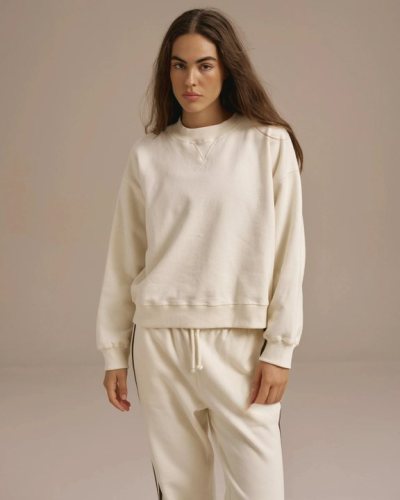
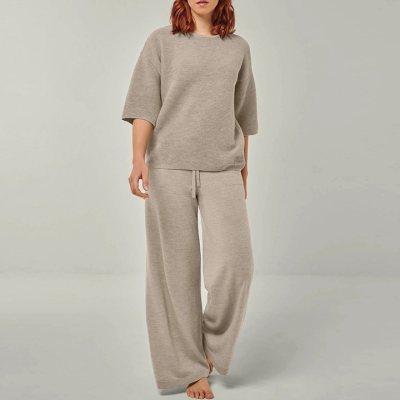
Best pajama fabrics including cotton modal viscose satin and silk compared for sleepwear brands

Quick Comparison: Which Pajama Fabric Should Your Brand Choose?

FabricTypical Hand FeelCommon ConstructionBest Suited ToKey Development Consideration
CottonNatural, softKnit or wovenEveryday pajama sets, shorts, topsConstruction and shrinkage
ModalVery soft, smoothOften knitLounge sets, soft pajama sets, sleep dressesGSM, recovery and blend
ViscoseSmooth, fluidKnit or wovenDraped pajamas, robes, sleep dressesDimensional stability and finishing
Bamboo-Derived ViscoseSoft, fluidOften knitSoft loungewear and pajama setsCorrect fiber labeling
SatinSmooth, lustrousWovenButton-front sets, robes, camisolesActual fiber composition
SilkSmooth, lightweightCommonly wovenPremium pajama sets and robesCare, cost and construction
FlannelSoft, brushedWovenWinter pajamasWeight and seasonal positioning

There is no universally "best" option. The right choice is the fabric that matches the design, season, target customer, price position and production method of the collection.

What Makes a Fabric Suitable for Pajamas?

A good pajama fabric should be evaluated as a complete textile rather than only by its fiber name.

For product development, brands should consider:

  • Fiber composition
  • Knit or woven construction
  • Fabric weight or GSM
  • Surface and hand feel
  • Drape
  • Stretch and recovery
  • Shrinkage
  • Dimensional stability
  • Color performance
  • Print compatibility
  • Pilling tendency
  • Care requirements
  • Seasonal use
  • Target cost

This explains why two fabrics labeled with the same fiber composition can still produce noticeably different pajama garments.

For example, two fabrics may both be labeled 95% modal / 5% spandex, yet different knitting structures, weights, yarns and finishing processes can create different levels of softness, stretch, recovery and drape.

Manufacturer's Note

When developing custom sleepwear, do not approve a material based only on a fiber composition line on a quotation.

Whenever possible, review an actual fabric swatch—and for important collections, confirm the fabric through the finished sample before bulk production.

Woven textile texture showing why pajama fabric selection needs construction and finish review

1. Is Cotton a Good Fabric for Custom Pajamas?

Yes. Cotton is one of the most versatile materials for pajama development because it can be used in both knitted and woven constructions.

CottonWorks, an industry resource operated by Cotton Incorporated, describes cotton as naturally breathable, absorbent and soft.

For sleepwear brands, the bigger question is not simply whether to use cotton, but which cotton construction to use.

Cotton Jersey

Cotton jersey is a knitted fabric commonly used when brands want a relaxed, soft and flexible pajama product.

It works particularly well for:

  • T-shirt pajama sets
  • Lounge sets
  • Pajama shorts
  • Casual sleepwear
  • Close-to-body styles

Jersey can be produced in different weights, and its behavior changes depending on yarn, fiber blend and knitting specification. CottonWorks notes that jersey is a versatile knit construction whose weight and drape can vary according to its intended use.

Cotton Interlock

Interlock is a double-knit structure that is generally more stable than single jersey.

It can be useful for:

  • Premium knit pajamas
  • Baby sleepwear
  • Soft structured lounge sets
  • Colder-season knit sleepwear

CottonWorks describes interlock as a stable double-knit construction with the same appearance on both sides and no curling.

Woven Cotton

Woven cotton is better suited to products such as:

  • Classic button-front pajama sets
  • Boxer-style sleep shorts
  • Pajama shirts
  • Lightweight woven sleepwear

Poplin, flannel and other woven constructions can create very different product results even when the fiber content is the same.

Best for: brands seeking versatile, familiar and adaptable sleepwear fabrics.

Cotton pajama fabric construction guide covering jersey interlock and woven cotton

2. Is Modal a Good Fabric for Pajamas?

Modal is particularly suitable when a sleepwear brand wants a soft, smooth fabric with fluid drape.

Modal belongs to the man-made cellulosic fiber family and is related to viscose. Textile Exchange describes modal as a regenerated cellulosic fiber known for softness.

Lenzing states that its TENCEL™ Modal fibers support moisture regulation and long-lasting softness, including after repeated washing and drying.

Modal is commonly considered for:

  • Women's lounge sets
  • Soft pajama sets
  • Sleep dresses
  • Nightgowns
  • Camisole sets
  • Stretch sleepwear

It is frequently blended with elastane/spandex when additional stretch and recovery are required.

What Should Brands Check With Modal?

Do not select modal only because the fabric feels soft in your hand.

Check:

  • Fabric GSM
  • Knit construction
  • Stretch percentage
  • Recovery
  • Surface finish
  • Dimensional stability
  • Shrinkage
  • Color
  • Pilling performance

A lightweight modal jersey and a more substantial modal interlock can create completely different garments.

Best for: soft, fluid and comfort-focused knit sleepwear.

3. When Should a Brand Choose Viscose?

Viscose is useful when softness, absorbency and drape are important to the product concept.

Textile Exchange describes viscose as a man-made cellulosic fiber that is smooth, absorbent and breathable and notes that it is widely used across apparel applications.

Depending on its construction, viscose can be used for:

  • Soft pajama sets
  • Nightgowns
  • Sleep dresses
  • Lounge sets
  • Robes
  • Fluid woven sleepwear

Viscose should not automatically be treated as interchangeable with modal.

Even though both belong to the man-made cellulosic family, the yarn specification, fabric structure, finishing and blend can create significantly different product results.

Manufacturer's Note

When comparing modal and viscose for the same pajama design, request actual fabric options instead of making the decision from fiber names alone.

Compare the materials side by side for:

hand feel → weight → drape → stretch → recovery → appearance → price

before selecting the final fabric.

Best for: sleepwear where fluid drape and a smooth hand are key design requirements.

4. What Does "Bamboo Fabric" Mean for Pajamas?

This is one area where brands should be particularly careful.

Many soft textiles marketed commercially as "bamboo" are actually viscose or rayon made using bamboo as the cellulose source.

For the U.S. market, the Federal Trade Commission states that a textile may only be described simply as bamboo if it is made directly from actual bamboo fiber. When rayon or viscose is produced using bamboo as the plant source, appropriate terminology includes "rayon made from bamboo" or "viscose made from bamboo."

This matters for private label sleepwear because:

the marketing name used during product development and the legally appropriate fiber description on a label may not be the same thing.

Bamboo-derived viscose can be considered for:

  • Soft pajama sets
  • Family pajamas
  • Children's loungewear
  • Lounge sets
  • Sleep dresses

But brands selling into regulated markets should verify the actual fiber composition and labeling requirements rather than relying on a supplier's informal fabric name.

Best for: brands seeking soft man-made cellulosic sleepwear, provided the fiber is accurately identified.

5. Is Satin a Fabric or a Fiber?

Satin describes a fabric construction, not a single fiber composition.

This distinction is extremely important when sourcing satin pajamas.

CottonWorks identifies satin as one of the three basic woven designs alongside plain and twill constructions.

In practical apparel sourcing, therefore, do not accept:

Fabric: Satin

as the complete specification.

You should ask:

What is the actual fiber composition of the satin?

A smooth satin-look pajama fabric may be based on different fiber systems, and those choices can affect:

  • Price
  • Care
  • Hand feel
  • Drape
  • Print method
  • Durability
  • Brand positioning

Satin constructions are especially common for:

  • Button-front pajama sets
  • Camisole sets
  • Robes
  • Bridal sleepwear
  • Premium-looking sleepwear
  • Contrast-piping pajama sets

Manufacturer's Note

When sourcing satin pajamas, confirm both:

Fiber Composition + Fabric Construction

rather than using "satin" as the complete fabric description.

This prevents confusion when comparing quotations from multiple manufacturers.

Best for: smooth, polished and visually elevated pajama collections.

Satin and silk pajama fabric drape comparison for premium sleepwear development

6. When Is Silk Suitable for Custom Pajamas?

Silk is a natural protein fiber commonly associated with lightweight, smooth and premium sleepwear.

The International Sericultural Commission describes silk as a natural fiber with natural sheen, absorbency, light weight and strong drape characteristics.

Common applications include:

  • Premium pajama sets
  • Luxury robes
  • Camisoles
  • Sleep dresses
  • Gift-oriented collections

Silk is particularly appropriate when the material itself is part of the brand's premium positioning.

However, brands should consider more than appearance.

Important development factors include:

  • Silk type
  • Fabric construction
  • Fabric weight
  • Color
  • Shrinkage and dimensional behavior
  • Care instructions
  • Sewing requirements
  • Target retail price
  • Material availability

Silk Mark Organisation also notes that identifying authentic silk simply from touch or appearance can be difficult, reinforcing the importance of reliable sourcing and material verification.

Best for: premium collections where natural-fiber positioning and refined appearance justify the higher material requirements.

7. Is Flannel Better for Winter Pajamas?

Flannel is particularly suitable when the collection needs a warmer, softer surface for colder-season sleepwear.

Flannel is not a fiber itself. CottonWorks defines flannel as a woven fabric whose surface is brushed to raise fibers and create softness and cover.

This makes it useful for:

  • Winter pajama sets
  • Holiday pajamas
  • Family sleepwear
  • Cold-weather sleepwear

When sourcing flannel, brands should still confirm:

  • Fiber composition
  • Weight
  • Brushing
  • Shrinkage
  • Surface quality
  • Print or yarn-dyed pattern
  • Finished hand feel

A lightweight flannel and a heavier brushed flannel should not be treated as the same product simply because both suppliers call them "flannel."

Best for: autumn/winter and cold-weather pajama collections.

Knit vs Woven Pajama Fabrics: Which Should You Choose?

The difference between knit and woven construction can be just as important as the fiber.

Woven fabrics are formed by interlacing warp and weft yarns, while knitted fabrics are created through interconnected loops. CottonWorks describes plain, twill and satin as core woven structures and jersey, rib and interlock among common knit constructions.

Knit Fabrics Often Work Well For

  • Soft lounge sets
  • T-shirt pajamas
  • Stretch sleepwear
  • Close-to-body pajamas
  • Modal or viscose lounge sets

Woven Fabrics Often Work Well For

  • Classic button-front pajamas
  • Satin sets
  • Cotton pajama shirts
  • Pajama shorts
  • Flannel sleepwear
  • Silk pajama sets

Neither construction is automatically better.

The correct choice depends on the desired:

silhouette + stretch + drape + surface + season + product positioning

What GSM Is Best for Pajamas?

There is no single GSM that is ideal for every pajama product.

GSM should be selected together with:

  • Fiber
  • Knit or woven construction
  • Garment silhouette
  • Season
  • Opacity
  • Stretch
  • Drape
  • Finishing

For example, a brand developing a lightweight summer sleep dress may need a very different material specification from a brand developing a winter lounge set.

This is why choosing a fabric only by GSM can be misleading.

Manufacturer's Note

Instead of asking:

"What is the best GSM for pajamas?"

ask:

"What fabric weight gives this specific pajama design the hand feel, drape and opacity we want?"

That question usually leads to a better product-development decision.

Which Fabric Should You Choose for Different Pajama Products?

Pajama ProductFabrics to ConsiderMain Development Priority
Classic Button Pajama SetWoven cotton, viscose, satin, silkStructure and drape
Soft Lounge SetModal jersey, viscose jersey, cotton jerseySoftness and recovery
Camisole SetSatin, silk, lightweight modal/viscoseDrape and surface
NightgownModal, viscose, cotton, silkDrape and comfort
Summer PajamasLightweight cotton, modal, viscose, silkWeight and hand feel
Winter PajamasFlannel, interlock, heavier knit structuresWarmth and weight
Printed Pajama SetDepends on fiber and printing processPrint compatibility
Premium SleepwearSilk, premium modal, selected satin constructionsMaterial and finish

Use this table as a starting point, not a fixed formula.

Every final fabric should still be evaluated against the actual garment design.

What Should Brands Confirm Before Approving a Pajama Fabric?

Before approving fabric for sampling or bulk production, confirm the following.

1. Fiber Composition

Know what the material actually contains rather than relying on commercial fabric names.

2. Fabric Construction

Confirm whether it is:

  • Jersey
  • Rib
  • Interlock
  • Poplin
  • Flannel
  • Satin construction
  • Other knit or woven construction

3. GSM or Fabric Weight

Review whether the weight works with the intended silhouette and season.

4. Stretch and Recovery

Particularly important for knitted lounge sets and fitted sleepwear.

5. Shrinkage and Dimensional Stability

The fabric needs to remain compatible with the garment measurements after care.

6. Color

Custom-dyed materials should be approved using the agreed color standard or physical submission.

7. Printing Compatibility

The fabric and intended printing method should be evaluated together.

8. Hand Feel and Finish

Finishing can significantly influence how a fabric feels even when composition remains unchanged.

9. Care Requirements

Consider whether the care method suits the brand's customer and product positioning.

10. Testing or Certification Requirements

If your customer or target market requires a particular textile certification, confirm the actual scope of the certificate.

For example, OEKO-TEX® STANDARD 100 is a certification for textiles tested for harmful substances, extending from yarns through finished textile products.

Pajama fabric sample confirmed through garment production before bulk order

Common Fabric Selection Mistakes Sleepwear Brands Should Avoid

Choosing Fabric Only by Composition

"95% modal / 5% spandex" does not define the entire fabric.

Construction and finishing still matter.

Choosing From Photos Only

A website photo cannot reliably communicate weight, stretch, drape or hand feel.

Request actual swatches.

Approving Fabric Without the Garment Design

A fabric that looks excellent on a swatch may behave differently after being cut into a loose pajama shirt, fitted camisole or long sleep dress.

Ignoring Bulk Availability

Confirm whether the selected material is:

stock-supported or custom-developed.

Custom dyeing, printing or fabric development may introduce separate minimum requirements.

Treating Fabric Name as the Full Specification

Words such as:

satin
bamboo
cotton
modal

are starting points—not complete production specifications.

How Should a Sleepwear Brand Choose the Final Fabric?

Use this simple process:

  1. Step 1 — Define the Product: Decide the silhouette, season, target customer and retail positioning.
  2. Step 2 — Define the Desired Hand Feel: Soft? Fluid? Crisp? Smooth? Warm? Lightweight?
  3. Step 3 — Select the Fiber Direction: Cotton, modal, viscose, silk or another suitable option.
  4. Step 4 — Select the Fabric Construction: Knit or woven, then determine the specific construction.
  5. Step 5 — Compare Physical Swatches: Review actual weight, color, hand feel, stretch and drape.
  6. Step 6 — Make the Pajama Sample: Evaluate how the material behaves in the finished garment.
  7. Step 7 — Approve Before Bulk Production: Confirm the final material specification alongside the approved garment sample.

This approach is generally more reliable than selecting a fabric from an online description and immediately moving into bulk production.

To compare materials side by side during this process, browse our sleepwear fabric options before finalizing your specification.

Frequently Asked Questions About Pajama Fabrics

What is the best fabric for custom pajamas?

There is no single best fabric for every pajama design. Cotton is versatile for everyday sleepwear, modal and viscose are useful for soft and fluid styles, satin constructions suit smooth and polished pajama sets, silk fits premium collections, and flannel works well for colder-season products.

Is cotton or modal better for pajamas?

Choose based on the desired product. Cotton works well when a natural-feeling and versatile material is a priority, while modal is often selected when brands want a softer and more fluid knit sleepwear result.

Is satin the same as silk?

No. Silk is a natural fiber, while satin refers to a woven structure. When sourcing satin pajamas, brands should confirm the actual fiber composition rather than assuming all satin is silk.

Is bamboo fabric really bamboo?

Not always. In the U.S., rayon or viscose produced from bamboo cellulose should be identified as rayon or viscose made from bamboo rather than simply described as bamboo fiber unless it is actually made directly from bamboo fiber.

Are knit or woven fabrics better for pajamas?

Neither is universally better. Knit fabrics often suit softer, stretch-oriented loungewear, while woven fabrics work well for structured button-front sets, satin pajamas and classic pajama shirts.

Should I approve fabric before making a pajama sample?

Whenever possible, review the proposed fabric before sampling. The finished sample should then confirm whether the material works with the intended fit, construction and overall product appearance.

Can the same pajama design be made in different fabrics?

Often yes, but changing the fabric may change drape, stretch, measurements, construction behavior and overall appearance. The sample may therefore need to be reviewed again when changing to a substantially different material.

About KoalaPurr Product Development Team

This guide was written by the KoalaPurr Product Development Team and reviewed by our Sleepwear Manufacturing Team.

KoalaPurr is an OEM, ODM and private label sleepwear manufacturer producing women's sleepwear, robes, men's sleepwear, kids' pajamas and maternity wear for brands in North America, Europe and beyond. Our team handles the full development cycle, from fabric sourcing, pattern and fit development and sampling to bulk production, quality inspection and packaging.

In-house capabilities include:

  • Fabric development across cotton, modal, viscose, satin, flannel, bamboo and blended materials
  • Tech pack review and sample development, typically 7–14 days
  • Bulk production from 100 pieces per style per color, commonly 24–30 days after approval
  • Four-stage quality control: fabric inspection, in-line monitoring, finished garment and packing checks
  • Documentation support for labeling, testing and certifications such as OEKO-TEX® STANDARD 100

Every guide in this series is based on our daily production experience with real brands. If you are evaluating pajama fabrics for your own collection, share your project with our team and we will help you review feasibility before you commit to sampling.

Planning a Custom Pajama Collection?

Choosing between cotton, modal, viscose, satin, silk or another sleepwear fabric should start with the product—not with the fabric name alone.

KoalaPurr, as a custom pajama manufacturer, can help brands review fabric options together with garment design, construction, sampling, custom printing and bulk-production requirements before final material approval.

If you already have a tech pack, reference sample, artwork or product idea, share the project requirements with our team to begin evaluating suitable fabric and development options.

Explore Our Sleepwear Fabric Library Discuss Your Custom Pajama Project

Are you looking for a reliable sleepwear manufacturer for your brand?

From product development to bulk production, we provide custom sleepwear solutions with professional support for global brands.