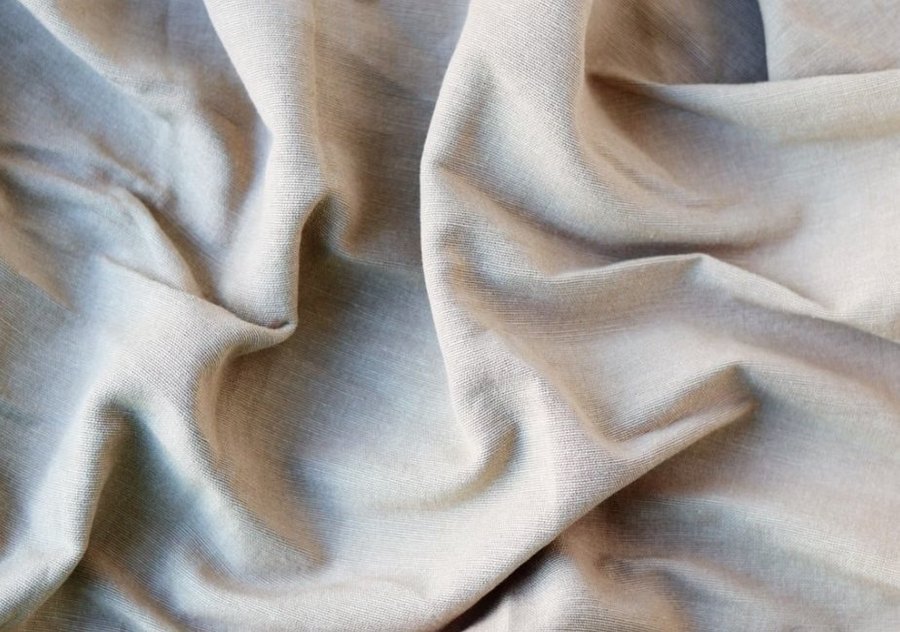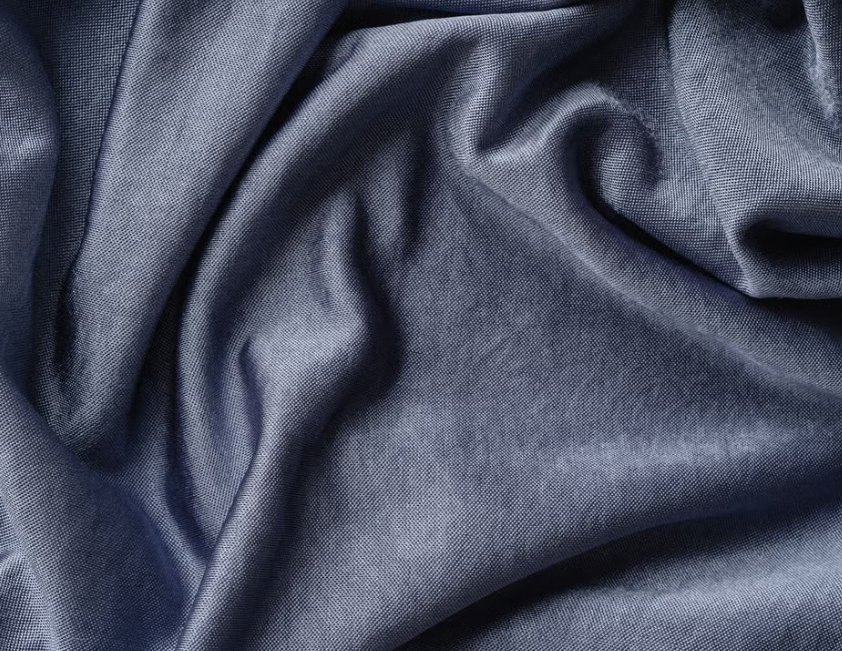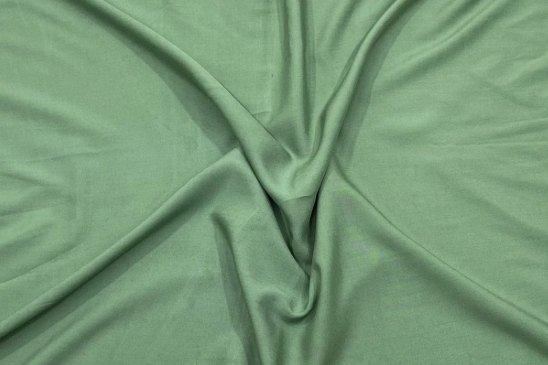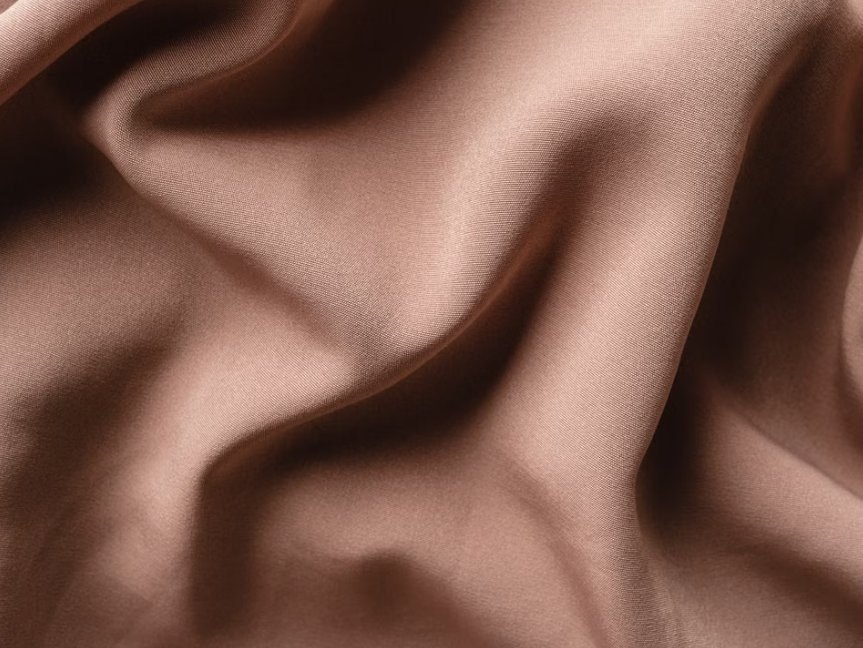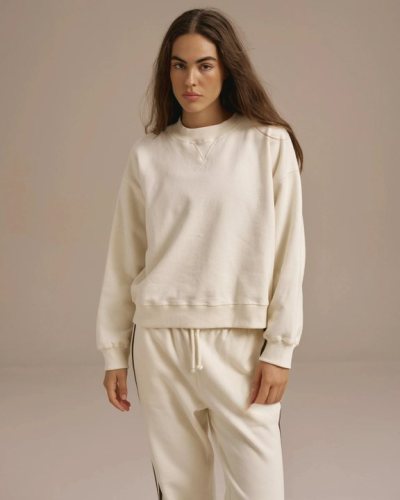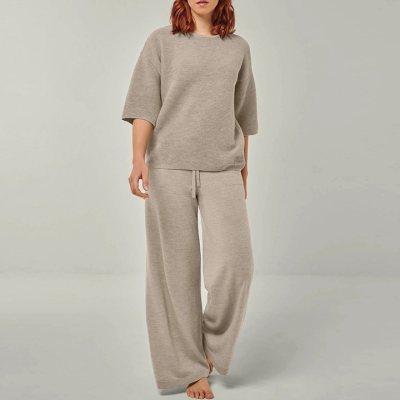
How to Choose Cotton, Modal, Viscose or Satin for Pajamas
Cotton, modal, viscose and satin can all be suitable for custom pajamas, but they are suited to different product directions. Cotton offers broad flexibility across knit and woven sleepwear. Modal is especially useful for very soft, smooth knit loungewear. Viscose works well when fluid drape is an important part of the design. Satin is commonly selected for smooth, lustrous woven pajama sets, camisoles and robes.
One important distinction: cotton, modal and viscose describe fibers, while satin describes a woven structure rather than a fiber. A satin pajama therefore still needs an actual fiber composition to be specified. CottonWorks describes satin as one of the basic woven structures, while Textile Exchange classifies modal and viscose among man-made cellulosic fibers.
For a sleepwear brand, the right choice should therefore be based on the finished product you want to create, not simply which material name sounds more premium. To understand how each fabric behaves in real production, start with our sleepwear fabric library, then use this guide to compare the four most common pajama directions.
Quick Comparison: Cotton vs Modal vs Viscose vs Satin
| Factor | Cotton | Modal | Viscose | Satin |
|---|---|---|---|---|
| What Is It? | Natural fiber | Man-made cellulosic fiber | Man-made cellulosic fiber | Woven structure / fabric construction |
| Typical Pajama Direction | Everyday knit or woven sleepwear | Very soft knit sleepwear | Fluid knit or woven sleepwear | Smooth woven pajama sets |
| Hand Feel | Varies by construction and finish | Often very soft and smooth | Often smooth and fluid | Smooth, lustrous surface |
| Structure | From soft knit to structured woven | Commonly softer, fluid knit | Can be soft and draped | Usually more defined woven silhouette |
| Stretch | Depends on construction / blend | Often blended with elastane | Depends on construction / blend | Usually limited unless special construction |
| Common Products | Pajama sets, shorts, tops, flannel | Lounge sets, sleep dresses, knit pajamas | Pajama sets, nightgowns, robes | Button sets, camisoles, robes |
| Main Question to Ask | Which cotton construction? | Which modal construction and GSM? | Which viscose construction and finish? | What is the actual fiber composition? |
The table is a starting point. For a complete overview of every material option, see our guide to the best fabrics for custom pajamas. The final fabric still needs to be evaluated physically through swatches and, ideally, the finished garment sample.
First Decide What Kind of Pajama You Are Developing
Before choosing a fabric, define the product.
A brand developing a relaxed knit lounge set does not have the same material requirements as a brand developing a classic button-front pajama set with a notched collar and contrast piping.
Start by defining the intended silhouette, season, customer, hand feel, stretch requirement, print direction and price position. Then select a fabric that supports those requirements.
Manufacturer's Note
One of the most common sourcing mistakes is choosing a material first and forcing the garment design to work around it.
A better development sequence is:
product direction → desired fabric behavior → physical fabric options → sample → final approval
This reduces the risk of selecting a beautiful swatch that does not work with the actual pajama design.
When Should You Choose Cotton for Pajamas?
Choose cotton when you want a versatile material that can support both casual knitted sleepwear and more structured woven pajama designs.
Cotton is unusual in this comparison because it can take many very different forms.
A cotton pajama may use jersey, interlock, poplin, flannel, double gauze or another construction. That means cotton can work across several product categories rather than creating one specific aesthetic.
CottonWorks' textile resources distinguish common knit structures such as jersey and interlock and describe interlock as smoother and more stable than jersey.
For a brand, this means the question should not stop at "Should we use cotton?" It should continue to: "Which cotton construction produces the product we want?"
Cotton Works Especially Well When You Want
Classic woven button pajamas, casual T-shirt pajama sets, cotton shorts sets, flannel winter sleepwear or a collection where natural-fiber positioning matters.
Where Cotton Requires More Decision-Making
Because cotton can be knit or woven and produced in many weights and finishes, the brand needs to define the actual construction carefully. "100% cotton" alone is not a complete production specification. When deciding between a natural and a man-made cellulosic direction, compare our breakdown of cotton vs modal pajamas.
When Should You Choose Modal for Pajamas?
Modal is a strong direction when softness, smoothness and fluid knit comfort are central to the collection.
Textile Exchange identifies modal as a man-made cellulosic fiber typically produced from wood pulp and notes that modal can be used to create soft, versatile fabrics.
Modal is commonly considered for women's lounge sets, soft pajama sets, nightgowns, sleep dresses and other comfort-focused knit products.
Lenzing states that its own branded TENCEL Modal fibers are designed to support long-lasting softness and moisture regulation in finished textiles. Those claims relate specifically to TENCEL Modal and should not automatically be applied to every generic modal fabric.
Modal Is Particularly Useful When You Want
A smooth hand feel, fluid drape, soft knit construction or a stretch lounge product when modal is combined with elastane.
What Brands Should Check
Do not approve modal based only on the word "modal." Compare the actual GSM, knit structure, stretch, recovery, opacity, pilling performance, finishing and price.
Manufacturer's Note
Two suppliers can both quote 95% Modal / 5% Spandex and still send noticeably different fabrics. The composition may be identical while construction, yarn, GSM and finishing are different. For custom pajamas, the physical fabric specification matters more than the composition line alone.
When Should You Choose Viscose for Pajamas?
Viscose is worth considering when the design needs softness and fluid drape, particularly for relaxed sleepwear, nightwear and robes.
Textile Exchange describes viscose as the most widely used man-made cellulosic fiber and characterizes it as smooth, absorbent and breathable, with broad apparel applications.
Viscose and modal are related but should not simply be treated as interchangeable names. Both are man-made cellulosic fibers, but different fiber production, yarns, constructions and finishing can produce different finished fabrics.
Viscose Can Work Well For
Fluid pajama sets, robes, nightgowns, soft woven sleepwear and relaxed silhouettes where drape is important.
Viscose vs Modal: How Should a Brand Decide?
Do not begin with "Which fiber is better?" Instead, place actual proposed fabrics next to one another and compare their hand feel, weight, stretch, recovery, drape, opacity, price and expected care behavior.
If Modal Fabric A works better with your design than Viscose Fabric B, select the modal. If Viscose Fabric C gives the better garment result, the fiber-name hierarchy does not matter. The product should make the decision.
When Should You Choose Satin for Pajamas?
Choose satin when the design requires a smooth, lustrous woven appearance, particularly for classic button-front pajama sets, camisoles, robes or gift-oriented sleepwear.
But satin needs to be specified differently from cotton, modal or viscose.
Satin is a woven structure characterized by long floats that create a smooth and lustrous surface. CottonWorks also notes that satin constructions can offer strong drape while requiring attention to issues such as snagging and seam slippage.
Therefore, when a supplier tells you "Fabric: Satin," the next question should be: "What is the fiber composition?" The final satin fabric could have very different characteristics depending on the fiber used.
Satin Is Particularly Suitable When You Want
A polished surface, smooth woven pajama set, contrast piping, bridal sleepwear, camisole set, robe or product with visually elevated presentation.
Manufacturer's Note
Never compare cotton vs modal vs viscose vs satin only by name. For satin, you need to know both fiber composition + satin construction before comparing it with another sleepwear fabric.
Which Fabric Is Best for a Classic Button-Front Pajama Set?
For a traditional pajama set with a collar, front buttons, chest pocket and piping, a woven construction is often the more natural starting direction because it supports a more defined silhouette.
Possible directions can include woven cotton or an appropriate satin fabric.
Woven cotton can create a more natural, casual or crisp look depending on construction. Satin creates a smoother and more lustrous visual direction.
The better choice depends on whether your brand wants the product to feel relaxed and natural or smooth and polished.
Which Fabric Is Best for a Soft Lounge Set?
For a soft knit lounge set, modal, viscose or cotton knit may all be considered. The final choice should depend on the exact fabric.
If the design calls for a very fluid, body-following silhouette, modal or viscose-based knit fabrics may be worth testing. If the brand wants a more familiar everyday knit direction, cotton jersey may be suitable.
Do not make the decision from a website fabric description. Compare the swatches on the table and then confirm the preferred option through the garment sample.
Which Fabric Is Best for a Pajama Nightgown?
Nightgowns often benefit from softer drape because the garment has fewer structured elements than a classic pajama shirt.
Modal and viscose are useful directions for fluid knit nightwear. Cotton can work for both casual knit nightgowns and lighter woven styles. Satin may work for a smoother, more polished nightdress or slip-style product.
The silhouette should determine how much structure, stretch and drape the fabric needs.
Which Fabric Is Best for Summer Pajamas?
There is no fiber name that automatically means "best summer pajama fabric." The finished fabric's weight and construction matter substantially.
For summer collections, brands may consider lightweight woven cotton, lightweight cotton jersey, modal knit, viscose or lightweight satin depending on the garment.
A lightweight modal knit lounge set and a lightweight woven cotton button pajama can both work for summer while creating very different products.
Ask: How light, breathable, fluid and opaque does this specific garment need to be? Then choose the textile specification that fits those requirements.
Which Fabric Is Best for Winter Pajamas?
Winter positioning also depends more on the finished construction than the fiber name.
Cotton can be developed into flannel or heavier knit structures. Modal and viscose can also appear in more substantial knit constructions.
A thin fabric will not become a winter product simply because a particular fiber has been selected. For cold-weather sleepwear, evaluate fabric weight, surface finish, construction and the intended wearing environment together.
Which Fabric Is Best for Printed Pajamas?
The answer depends on both the fabric and printing process. For a full overview of print and decoration options, see our guide to sleepwear printing and customization techniques.
Before approving a fabric for an all-over printed pajama collection, discuss printing method, fiber compatibility, artwork scale, repeat, color expectations and fabric finish. Changing the base material may require the print result to be reviewed again.
Manufacturer's Note
Artwork approval and fabric approval should not be treated as completely separate decisions. A floral print can look different on a matte cotton surface, a fluid viscose fabric and a lustrous satin. The fabric becomes part of the visual design.
Which Fabric Gives the Most Premium Appearance?
There is no universal "premium fiber." Premium positioning comes from the complete product.
A high-quality cotton pajama can feel more premium than a poorly selected satin pajama. Likewise, a well-developed modal lounge set can justify premium positioning through hand feel, fit and construction.
Customers experience fabric + fit + sewing + finishing + design together. Brands should therefore avoid selecting satin purely because it looks shiny or modal purely because it is described as soft. The finished garment must support the intended retail position.
Which Fabric Is Better for Stretch Pajamas?
Stretch should be specified separately from fiber. Cotton, modal and viscose fabrics may gain stretch through knit construction, elastane content or both. A satin woven fabric will generally behave differently unless it has been specifically engineered with stretch.
For stretch sleepwear, confirm stretch percentage, stretch direction, recovery and whether the pattern has been developed for that fabric. Too much stretch without adequate recovery can affect fit after wear.
Which Fabric Is Easier to Use for a First Collection?
For an early-stage brand, the easiest material is often not simply the cheapest fiber. A more useful fabric may be one that has stable availability, manageable MOQ, available colors, predictable performance and a construction appropriate for the intended design.
For example, an available cotton or modal fabric that already performs well in sleepwear may create a more manageable first production than a completely custom-developed material. Once the brand has sales data and repeat-order volume, more specialized fabric development can be considered.
How Does MOQ Affect the Fabric Decision?
Fabric selection and MOQ are closely connected. The garment manufacturer may have one production MOQ while the fabric supplier has another minimum for custom knitting, weaving, dyeing, finishing or printing. To understand how these minimums work together, read our guide to custom pajama MOQ.
At KoalaPurr, standard garment projects generally start from 100 pieces per style per color, but the actual fabric and customization requirements may create separate conditions.
This means that the "best fabric" is also one that is commercially realistic for the planned order. A material that works beautifully but requires far more fabric than the brand can reasonably use may not be the right first-production choice.
How Does Fabric Choice Affect Manufacturing Cost?
Fabric can affect cost through both price per unit of fabric and garment consumption. To see how these factors build the quotation, read our guides to custom pajama manufacturing cost and the custom pajama manufacturing price factors that change from one fabric to another.
But comparing fiber names alone does not produce a reliable cost ranking. A premium cotton construction can cost more than a basic viscose. A branded modal material can differ from generic modal. A polyester-based satin and a silk satin do not belong in the same price category.
So avoid creating a fixed assumption such as cotton = cheapest, viscose = medium, modal = expensive, satin = premium. That hierarchy is not reliable. Request quotations for actual fabric specifications instead.
What About Sustainability Claims?
Brands should be especially careful here.
Textile Exchange notes that the environmental impact of man-made cellulosic fibers depends significantly on the sourcing of wood or other cellulose inputs and how fiber production is managed.
Individual branded fiber producers may provide specific environmental documentation, but those claims should not automatically be transferred to every generic modal or viscose fabric.
Likewise, avoid assuming that a natural fiber name automatically answers every sustainability question. If sustainability is part of your marketing, verify the specific supplier, fiber source, certification and documentation behind the material.
How Should a Brand Compare Physical Fabric Swatches?
A useful comparison should keep the garment objective constant. Place the shortlisted fabrics next to the reference product or sample and evaluate them under the same conditions.
| Check | What to Look For |
|---|---|
| Hand Feel | Does it match the customer and brand positioning? |
| GSM / Weight | Is it appropriate for the season and silhouette? |
| Construction | Knit or woven? Which specific structure? |
| Drape | Does the fabric fall the way the design requires? |
| Stretch | Does the garment need stretch? |
| Recovery | Does it return to shape? |
| Opacity | Is it appropriate for sleepwear? |
| Surface | Matte, natural, smooth or lustrous? |
| Color | Does the selected shade suit the collection? |
| Does the artwork work on this surface? | |
| MOQ | Is the fabric realistic for the order quantity? |
| Cost | Does it support the target product position? |
Then narrow the choice before making the sample. To see how the selected fabric is confirmed through garment development, follow our how custom pajama sampling works guide.
A Simple Fabric Decision Framework for Sleepwear Brands
- Step 1 — Define the silhouette. Decide whether the product should be structured, relaxed or fluid.
- Step 2 — Decide knit or woven. This eliminates many unsuitable options immediately.
- Step 3 — Define the hand feel. Natural, very soft, smooth, crisp or lustrous?
- Step 4 — Define the season. Lightweight, mid-weight or cold-weather?
- Step 5 — Define stretch. Does the product need stretch and recovery?
- Step 6 — Consider print and color. Will it be solid, custom-dyed or printed?
- Step 7 — Check MOQ and budget. Is the fabric commercially realistic for the launch?
- Step 8 — Compare real swatches. Do not make the final choice from names or photos.
- Step 9 — Make a garment sample. Evaluate how the material behaves in the actual pajama.
- Step 10 — Approve the complete specification. Record the fiber, construction, GSM, color and other key details before bulk production.
Common Fabric Selection Mistakes
The most common problems are choosing by fiber name alone, comparing fabrics with very different weights, selecting a fabric without considering the silhouette, changing the fabric after fit approval, ignoring fabric MOQ, assuming every modal or viscose is the same, treating satin as a fiber, choosing only from online photos, and making sustainability claims that the supplier documentation does not support.
Most of these problems can be avoided by moving the decision from material name to actual fabric specification + physical sample + finished garment result.
Frequently Asked Questions
Is cotton better than modal for pajamas?
Not universally. Cotton is especially versatile because it can support both knit and woven sleepwear. Modal is often useful when the product requires a particularly soft, smooth and fluid knit direction.
Is modal better than viscose for pajamas?
Neither is automatically better. Both are man-made cellulosic fibers. Compare the actual construction, GSM, hand feel, drape, stretch, recovery, price and finished sample rather than selecting by fiber name.
Is satin a type of fiber?
No. Satin is a woven structure rather than a fiber category. The actual fiber composition should still be confirmed when sourcing satin pajamas.
Which fabric is best for soft pajamas?
Modal and viscose are useful directions for soft, fluid sleepwear, while soft cotton knits can also work very well. The final hand feel depends on construction, GSM and finishing.
Which fabric is best for classic button pajamas?
Woven cotton and suitable satin fabrics are both common directions. Cotton can provide a more natural or crisp result, while satin provides a smoother and more lustrous appearance.
Which fabric is best for loungewear?
Cotton jersey, modal knit and viscose knit can all be appropriate. For a particularly soft and fluid women's lounge product, modal or viscose may be worth comparing.
Is viscose breathable?
Textile Exchange describes viscose as smooth, absorbent and breathable, but finished garment performance still depends on fabric construction and finishing.
Is modal breathable?
Specific modal products can have moisture-management characteristics. For example, Lenzing states that TENCEL Modal fiber structure supports moisture absorption and release. Claims for a branded fiber should not automatically be generalized to every generic modal textile.
Is satin good for summer pajamas?
A lightweight satin fabric can be suitable for summer-oriented sleepwear, but actual comfort depends on its fiber composition, weight, construction and garment design.
Should I choose fabric before making a pajama sample?
The intended fabric should normally be selected early enough that the sample reflects how the final textile affects fit, drape, stretch and appearance.
Which Fabric Should Your Pajama Brand Choose?
Choose cotton when you need broad versatility across knit and woven sleepwear, natural-fiber positioning or classic pajama constructions.
Choose modal when very soft, smooth and fluid knit comfort is central to the collection.
Choose viscose when a soft, draped fabric direction suits the design and you have evaluated the specific finished textile.
Choose satin when the product needs a smooth, lustrous woven appearance, but always confirm what fiber the satin is actually made from.
The final decision should combine product type + fiber + construction + GSM + drape + stretch + color + print + MOQ + cost + sample result, rather than relying on a material name alone.
KoalaPurr can help sleepwear brands compare fabric options together with garment design, sampling, printing and bulk-production requirements before final material approval, supported by our sleepwear product development service. As a custom sleepwear manufacturer, we review fabric, construction and production requirements together before you approve the material.
If you are developing a pajama collection and need help comparing fabrics, contact our sleepwear development team with your product direction and target position.
Discuss Your Custom Pajama Project Explore Our Sleepwear Fabric Library Compare Cotton vs Modal Pajamas Learn How Custom Pajama Sampling Works