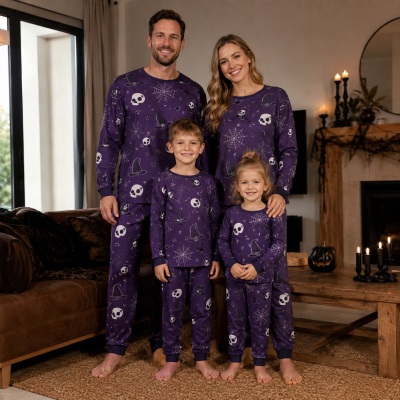
How Much Does It Cost to Manufacturing Custom Pajamas?
The cost of manufacturing custom pajamas depends on much more than the sewing time. Fabric, order quantity, construction, printing, labels, packaging, testing, and delivery terms can all change the final figure.
For preliminary planning, a standard two-piece pajama set may cost about US$8 to US$25 per unit at the factory when produced in a small or medium commercial run. Simple polyester styles may fall near the lower end.
Modal, bamboo viscose, certified cotton, detailed construction, and smaller quantities usually move the price higher. Silk or highly specialized products can cost considerably more.
These figures are planning ranges, not fixed quotations. They generally exclude product development, samples, testing, international freight, import duties, and taxes.
Typical Custom Pajama Cost by Product Type
The following ranges can help a brand prepare an early budget before requesting a formal quotation.
| Product type | Approximate ex-factory cost per unit | Main cost considerations |
|---|---|---|
| Basic polyester satin pajama set | US$7-$14 | Fabric quality, piping, buttons, order volume |
| Cotton or cotton-blend pajama set | US$9-$19 | Fabric weight, weave, shrinkage control, finishing |
| Modal or viscose pajama set | US$11-$23 | Fabric grade, GSM, stretch, colorfastness |
| Bamboo viscose pajama set | US$13-$28 | Fiber source, certification, fabric availability |
| Custom robe | US$10-$26 | Length, fabric consumption, belt and pocket construction |
| Silk pajama set | US$30-$75+ | Silk grade, fabric weight, cutting loss, workmanship |
The same design can still receive different quotations from different manufacturers. One supplier may quote stock fabric and standard packaging, while another includes custom-dyed fabric, branded labels, and inspection. A useful comparison requires identical specifications and delivery terms.
What Is Included in a Pajama Manufacturing Price?
An ex-factory unit price usually covers the main fabric, standard trims, cutting, sewing, finishing, and basic packing. Pattern development, grading, print setup, special packaging, testing, and freight may appear separately.
The quote should state whether it is based on an approved sample or an early design. A price calculated before the specifications are complete may change after the fabric and construction are confirmed.
Fabric Usually Has the Greatest Effect on Cost
Fiber, Weight, and Finishing
Fabric often represents the largest share of a pajama's production cost. The price depends on fiber composition, weight, construction, finish, certification, and order volume.
Polyester satin is generally less expensive than silk, but two polyester satins can still differ noticeably in hand feel, opacity, weight, and colorfastness. Cotton poplin may appear straightforward, yet combed yarn, higher thread density, custom dyeing, and shrinkage treatment can raise the cost.
Modal and bamboo viscose are popular for soft knit pajamas. Their prices depend on fiber grade, GSM, blending ratio, finishing, and fabric availability.
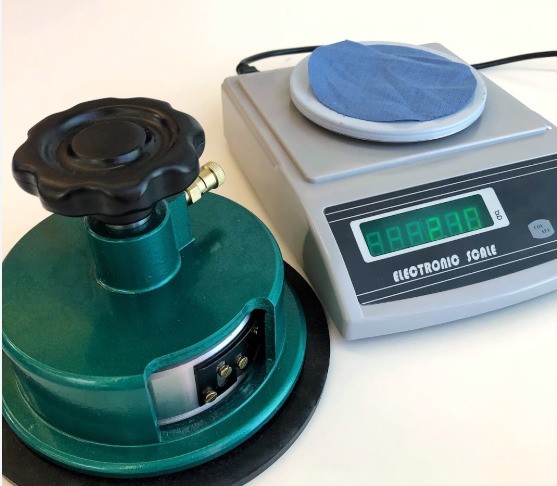
Fabric Performance After Washing
A less expensive fabric is not always the lower-cost choice after production. Excessive shrinkage, pilling, poor recovery, or color transfer can cause returns. Compare specifications and wash performance, not only the swatch price.
Design, Branding, and Packaging Change the Cost
Construction Complexity
A basic T-shirt and elastic-waist pant set is usually faster to manufacture than a woven button-front set. The second style may require a shaped collar, front placket, buttonholes, pockets, cuffs, and contrast piping.
Each added operation increases sewing time. Matching stripes or placed prints also requires more fabric and careful cutting.
Prints, Trims, and Packaging
An all-over print can change both the fabric price and the production minimum. Embroidery is normally priced by stitch count, size, and location. Custom buttons, lace, piping, and elastic may introduce separate minimum quantities.
Simple care labels and woven brand labels add relatively little once their minimum is met. Printed boxes, inserts, and rigid gift packaging cost more and may increase shipping weight.
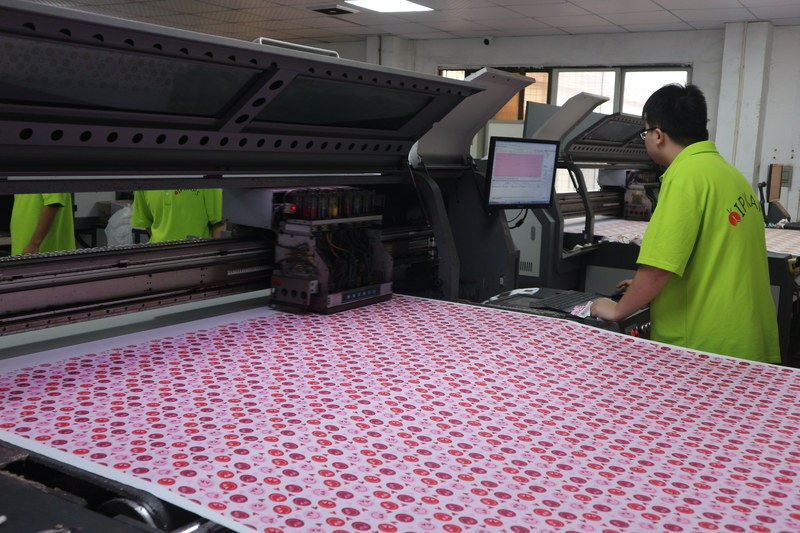
How MOQ Affects the Unit Price
Why Smaller Orders Cost More
Lower quantities usually carry a higher unit cost because development and setup expenses are divided across fewer garments. The factory must still prepare patterns, source trims, plan the cutting layout, set up machines, and organize quality checks.
MOQ Per Style and Color
MOQ should be confirmed per style and per color. An order of 300 units across three colors is not equivalent to 300 units in one color when fabric dyeing and cutting are planned separately.
Adding colors can also create fabric minimums that are higher than the garment MOQ. A mill may require a minimum dye quantity even when the sewing factory accepts a smaller order.
For a first collection, using fewer styles and colors often protects the budget more effectively than negotiating only the unit price. It concentrates volume and reduces repeated setup charges.
Sampling, Quality Control, and Testing
Sample Development Costs
Custom pajama projects usually require a paid sample before bulk production. A basic development sample may cost around US$50 to US$200, while original patterns, complex construction, custom-printed fabric, or several revisions can increase the total.
Some manufacturers credit part of the sample fee after a bulk order is placed. Confirm whether pattern making, grading, fabric sourcing, and revisions are included.
Inspection and Compliance Costs
Inspection should be part of the production plan even if it is not listed separately. Third-party inspection and laboratory testing add cost according to the product and target market.
Children's sleepwear requires closer regulatory review. For example, products sold in the United States may be subject to specific flammability, labeling, testing, and certification requirements. Brands should confirm the applicable rules with a qualified laboratory and review the current U.S. Consumer Product Safety Commission guidance before production.
Ex-Factory Price Is Not the Landed Cost
Freight, Duties, and Taxes
The manufacturing quote may stop at the factory. A complete budget should also account for freight, insurance, customs clearance, duties, taxes, and warehouse delivery.
Air freight is faster but can be expensive for bulky orders. Sea freight usually lowers transportation cost per unit at larger volumes, although it takes longer.
Compare the Same Incoterm
Ask which Incoterm is used in the quotation. An EXW price, an FOB price, and a delivered price describe different cost responsibilities and should not be compared as if they were the same.
Example Budget for a 100-Piece Custom Pajama Order
Consider a brand ordering 100 two-piece modal pajama sets in one color. The style uses a standard knit fabric, a small chest print, custom labels, and simple individual packaging.
| Budget item | Illustrative range |
|---|---|
| Bulk garments | US$1,300-$2,300 |
| Sample and development | US$80-$250 |
| Labels, print setup, and packaging | US$100-$350 |
| Optional testing or third-party inspection | Quoted to product and market |
| Freight, duties, and taxes | Quoted to destination and shipping method |
This example suggests an initial factory-side budget of roughly US$1,480 to US$2,900 before freight, duties, and taxes. It is a planning example; an accurate figure requires a finished design brief and current material prices.
How to Get a More Accurate Pajama Quotation
Prepare a Complete Product Brief
Send the same product information to every manufacturer you are comparing. The brief should show the garment design, measurements, fabric composition and weight, quantities by color and size, artwork, labels, packaging, quality requirements, and delivery destination.
Compare Like With Like
If a specification is undecided, ask the supplier to quote clearly labeled options. This keeps material or packaging differences visible in the comparison.
Price should also be reviewed alongside sample accuracy, quality control, communication, and delivery planning. Our guide to choosing a reliable pajama manufacturer explains how to evaluate those factors before placing a bulk order.
Frequently Asked Questions
How much does it cost to manufacture 100 custom pajama sets?
Budget roughly US$1,500 to US$3,000 at the factory for 100 custom pajama sets. Freight, duties, and taxes are usually separate.
What is the cheapest fabric for custom pajamas?
Polyester jersey and polyester satin are usually among the lowest-cost options. Check their comfort and wash performance before choosing.
Does a higher MOQ reduce pajama manufacturing cost?
Usually, yes. Larger orders spread development and production setup costs across more units.
Is the sample fee included in the bulk price?
Not always. Confirm whether the sample fee is separate, credited after a bulk order, and how many revisions it includes.
What information is needed for an accurate quotation?
Send a tech pack or clear design reference with your fabric, quantity, branding, packaging, and delivery requirements. Complete specifications produce a more accurate quote.
Build Your Budget Around the Complete Product
The cost of custom pajamas is determined by the complete specification, not by the garment name alone. Send one clear product brief and ask the manufacturer to identify all exclusions.
KoalaPurr can review your design, material preferences, quantities, and packaging needs to prepare an itemized custom pajama manufacturing quote.