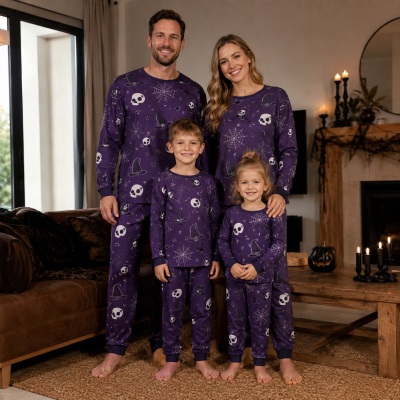
How to Choose a Reliable Pajama Manufacturer for Your Brand?
Choosing a pajama manufacturer affects more than your production cost. It influences how your garments fit, how they feel after washing, and whether your collection arrives in time for launch. For brands selling online, these details also shape customer reviews and repeat purchases. The challenge is that many sleepwear manufacturers offer similar promises: soft fabrics, custom labels, competitive prices, and reliable delivery. A useful comparison requires evidence behind those promises. To choose a reliable pajama manufacturer, evaluate relevant product experience, fabric performance, sample quality, minimum order requirements, transparent pricing, and production controls. Approve a documented pre-production sample before committing to bulk manufacturing. The following steps will help you assess suppliers and identify a partner that fits your collection and order size. Before contacting custom pajama manufacturers, prepare a clear product brief. Suppliers can offer more useful advice and comparable quotations when they understand what you need. Include: If you do not have technical specifications, explain where you need development support. An independent designer with finished patterns needs a different service from an influencer launching a first collection from mood boards. General apparel experience does not automatically demonstrate expertise in your product. Ask to see samples with similar fabrics, silhouettes, and construction details. For woven pajama sets, inspect collars, piping, buttonholes, and seam finishing. For knitted loungewear, check stretch recovery, seam flexibility, and shape retention. Matching family pajamas require coordinated colors and prints across different size ranges. Ask who will make your order, which processes are handled internally, and whether any work is subcontracted. A live factory walkthrough or independent visit can help verify the production setup. A credible sleepwear manufacturer should explain how it would manufacture your design, including potential difficulties, rather than simply agreeing to every request. A fabric can feel excellent on a swatch and perform differently after cutting, sewing, and washing. Make your decision using the intended garment and care routine. Request the exact composition, fabric weight, construction, and available finishes. Evaluate: Agree on testing methods and acceptance criteria with the supplier. Do not rely on broad descriptions such as “premium fabric.” Keep an approved swatch and record its specifications so the production material has a clear reference. For a side-by-side comparison of fibre choice, season and product positioning, see our guides to the best fabrics for custom pajamas and how to choose between cotton, modal, viscose and satin. Browsing our sleepwear fabric knowledge base before development usually shortens the sampling round. Sampling reveals how accurately a pajama manufacturer interprets your requirements and handles corrections. Clarify with the custom pajama manufacturer the sample fee, turnaround time, included revisions, and whether the sample uses your intended bulk fabric and trims. If substitutes are necessary, record what must change before production approval. Review measurements, comfort, stitching, print placement, and construction. Wash the garment according to the proposed care instructions, then check fit and appearance again. Where fit is critical, assess more than one size. Provide consolidated feedback with photographs and measurable changes. Before bulk production, approve a pre-production sample that reflects the agreed materials, workmanship, labels, and packaging. Retain a matching reference sample for inspection. Ask any pajama manufacturer for the process before you ask for the price. Our guide to how custom pajama sampling works walks through the full cycle from tech pack to fit review, revisions and final approval. A minimum order quantity is only useful when you know how it applies. Ask whether the MOQ is calculated per style, per color, or across the entire order. Confirm whether fabric dyeing, custom printing, trims, or packaging introduce separate minimums. For example, 300 pieces divided among three colors may not qualify if the requirement is 300 pieces per color. Compare sleepwear manufacturers using the same specifications: A lower quotation may reflect different materials or excluded services. Resolve those differences before judging value. Ask where quality checks occur: incoming materials, cutting, sewing, finishing, and final packing. Request a sample inspection report and agree on measurement tolerances, defect classifications, and acceptance criteria. Discuss how the pajama manufacturer handles failed inspections. Who pays for rework? When will corrected goods be checked again? Put the agreed process in writing. For children's and baby sleepwear, establish applicable product safety, testing, and labeling requirements for your destination market before approving materials and construction. Ask a qualified testing provider to confirm the appropriate requirements for the specific product. When reviewing certificates or reports, check the named company, product or material scope, date, and issuer. A document for an unrelated fabric does not verify your finished garment, which is why a standard such as OEKO-TEX STANDARD 100 should be confirmed against the exact material it covers. Reliable communication means receiving specific answers and early notice of problems. During development, assess whether the supplier records revisions accurately, flags missing information, and explains trade-offs clearly. Request a lead time broken down by stage: material sourcing, sample approval, bulk production, inspection, and shipping. Clarify what starts the production clock: deposit receipt, fabric availability, or final sample approval. Ask how upcoming holidays, material delays, and sample revisions could affect your lead time and schedule. For seasonal collections or influencer launches, work backward from the required arrival date and include time for inspection and corrections. Confirm who manages your order and how often you will receive progress updates. Service labels vary between pajama manufacturers, so confirm exactly what each arrangement includes. OEM manufacturing generally suits brands supplying established designs and specifications. ODM development may suit brands needing help developing or adapting products. Private label customization can involve existing styles or custom-developed garments carrying your branding. Clarify ownership and usage rights for patterns, artwork, and exclusive designs. Ask whether you can access development files and what happens when you reorder. Send design references or a tech pack, fabric requirements, quantities by style and color, size breakdowns, branding details, and your delivery deadline. Identify any specifications you need help developing. Yes, if the manufacturer offers product development support. Ask whether patterns, measurements, and construction specifications are included, and approve the resulting documents before production. There is no universal MOQ. It depends on the garment, material availability, color count, and customization. Ask for minimums per style and color, plus separate material or packaging requirements. No. It establishes a reference, but production still needs material checks, process controls, and final inspection. Specify how bulk goods will be compared with the approved sample. Start with a focused collection, document approvals, and agree on inspection and defect-resolution terms. Keep the first order manageable while allowing the supplier to use the intended production process. Choose the supplier that can demonstrate a repeatable process for your product, budget, and schedule. Before paying a bulk deposit, make sure the specifications, approved sample, quotation, quality criteria, and timeline tell the same story. Unresolved assumptions at this stage can become expensive changes later. A practical next step is to share your designs, estimated quantities, target market, and launch date to request a development review and itemized quotation. Use the response — and the sampling experience — to judge whether the manufacturer is the right long-term fit for your brand.1. Define Your Product and Order Requirements
2. Check Experience With Your Sleepwear Category
3. Evaluate Fabric Beyond Initial Softness
4. Use Sampling to Assess Development Capability
5. Understand MOQ and Compare Complete Quotations
Quote item What to confirm Garment price Exact fabric, construction, and quantity basis Development Pattern, sample, and revision charges Branding Labels, embroidery, printing, and setup fees Packaging Individual packing and carton requirements Inspection and testing Included services and additional charges Delivery terms Shipping basis and costs outside the quoted price 6. Confirm Quality Controls and Market Requirements
7. Assess Communication and Delivery Planning
8. Choose the Right Manufacturing Service
Frequently Asked Questions
What should I send a pajama manufacturer for a quotation?
Can I start without a tech pack?
What is a reasonable MOQ for private label pajamas?
Is an approved sample enough to guarantee bulk quality?
How can I reduce risk on a first order?
Make Your Final Decision With Evidence
Related Reading