Home / All / Sleepwear Manufacturing Guide / How Much Does It Cost to Manufacture Custom Pajamas?

How Much Does It Cost to Manufacture Custom Pajamas?

Aug 27,2026

There is no single standard cost to manufacture custom pajamas. The final price depends on the fabric, garment construction, order quantity, colors, printing or embroidery, trims, labels, packaging, sampling requirements and the commercial terms included in the quotation.

A basic solid-color pajama set using an available fabric will usually have a very different cost structure from a custom satin set with piping, all-over printing, branded buttons and premium packaging.

For sleepwear brands, the most useful question is therefore not "How much does a pajama cost to manufacture?" but "What is driving the cost of this specific pajama design, and what is included in the quotation?"

As a custom sleepwear manufacturer, we see every week how two "similar" pajama quotations can describe completely different products. Understanding the cost drivers below allows brands to compare suppliers more accurately and make product decisions before bulk production.

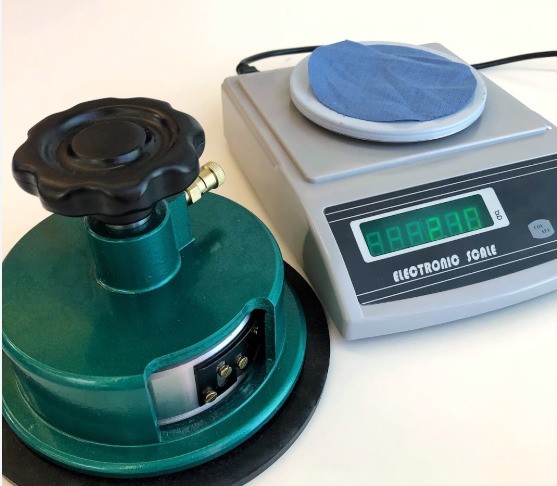
Custom pajama manufacturing cost review with fabric trims labels packaging and garment sample

Quick Answer: What Determines Custom Pajama Manufacturing Cost?

The main cost drivers are:

Cost FactorWhy It Matters
FabricComposition, construction, GSM, finish and consumption affect material cost
Garment DesignMore construction details usually require more production operations
Order QuantitySetup and development costs are distributed across the production run
ColorsMultiple colors may create separate material or dyeing requirements
PrintingTechnique, artwork, coverage and number of colorways affect cost
EmbroiderySize, stitch density and quantity influence decoration cost
TrimsButtons, piping, lace, elastic and hardware add material and sourcing costs
LabelsMain labels, size labels, care labels and hangtags need to be included
PackagingStandard bags and custom branded packaging have different cost structures
SamplingDevelopment and revision requirements vary by project
TestingMarket or customer requirements may introduce testing costs
Shipping TermsEXW, FOB, DDP and other terms include different responsibilities and costs

Current apparel costing guides similarly separate materials, trims, labor, decoration, packaging and logistics when explaining how a factory quotation is built, rather than quoting one unit price.

Why We Do Not Give One "Average Pajama Manufacturing Price"

It can be tempting to publish a simple answer such as "custom pajamas cost $X to $Y per set."

But this range can be misleading.

Consider these two products.

Pajama A

  • Basic short-sleeve set
  • Available cotton jersey
  • Solid color
  • Standard buttons
  • Standard packaging
  • Simple construction

Pajama B

  • Long-sleeve button-front set
  • Custom fabric
  • All-over print
  • Contrast piping
  • Custom buttons
  • Custom labels
  • Gift packaging

Both products can be called custom pajamas, but they do not have comparable manufacturing costs.

A meaningful price should therefore be based on a sufficiently defined product specification.

Manufacturer's Note

If a supplier gives a very precise unit price before knowing your fabric, construction, quantity, colors, printing, trims and packaging, ask what assumptions were used.

A fast quotation is only useful when both sides are pricing the same product.

Fabric Is One of the Most Important Cost Drivers

For most pajama designs, fabric is a major part of the manufacturing cost.

But fabric pricing is not determined only by the fiber name. Cotton, Modal, viscose, satin and silk do not represent one fixed price level. To compare materials properly, see our guide to the best fabrics for custom pajamas and browse our sleepwear fabric library.

The actual fabric specification may include:

  • Fiber composition
  • Yarn
  • Knit or woven construction
  • Specific fabric structure
  • GSM or weight
  • Width
  • Stretch
  • Finishing
  • Color
  • Printing
  • Certification
  • Supplier
  • Order quantity

Two modal fabrics can therefore have different prices. The same is true for cotton, viscose, satin and other sleepwear materials.

Cotton modal and satin fabrics compared when evaluating custom pajama manufacturing cost

Fabric Consumption Also Matters

The price per meter or kilogram is only part of the calculation. The garment also consumes a certain amount of fabric.

A long-sleeve pajama set with full-length pants generally requires more material than a camisole-and-shorts set. A robe can require more fabric again.

Fabric cost therefore depends on:

fabric price x garment consumption + expected cutting/production allowance

rather than fabric price alone.

Does GSM Affect Pajama Manufacturing Cost?

It can. GSM describes fabric weight per square meter.

If two fabrics are otherwise comparable, a heavier construction generally uses more fiber per unit of area.

But brands should not use GSM as a price shortcut. A lower-GSM premium fabric can still cost more than a heavier basic fabric because of:

  • Fiber
  • Yarn
  • Finishing
  • Dyeing
  • Supplier
  • Certification

Choose GSM according to the intended garment first, then evaluate its cost.

Manufacturer's Note

Reducing fabric weight only to reach a lower target price can change opacity, drape, hand feel, structure, durability and customer perception. Cost engineering should protect the product concept rather than simply remove material.

Stock Fabric vs Custom Fabric Can Change the Cost Structure

An available fabric can simplify production because the material is already developed.

A custom fabric may involve additional requirements such as:

  • Custom knitting
  • Custom weaving
  • Custom composition
  • Custom GSM
  • Dyeing
  • Special finishing
  • Supplier minimums

This can change both the MOQ and the total material commitment.

For a new brand, using a suitable available fabric can sometimes make an initial production run easier to manage. But available fabric offers less control over exact color, construction, composition and finish.

So the correct decision depends on what matters most to the collection.

Garment Construction Affects Sewing Cost

A pajama's manufacturing cost is not determined only by the material. The factory also needs to cut and assemble the garment.

A simple sleep T-shirt involves fewer operations than a detailed button-front pajama shirt.

Cost may increase when the design includes:

  • Notched collar
  • Piping
  • Multiple pockets
  • Cuffs
  • Plackets
  • Buttons
  • Drawcords
  • Lace
  • Ruffles
  • Binding
  • Complex waistbands
  • Special seam finishes

Each additional detail can involve additional material, additional preparation, more sewing operations, more handling and additional inspection points.

Example

Compare a simple knit pajama top with a woven pajama shirt with collar, chest pocket, contrast piping and five buttons. Even if the fabric costs were similar, the sewing requirements would not be the same.

Does MOQ Affect the Unit Price?

Yes, order quantity can affect the unit price because some development and production costs are distributed across the production run.

Apparel production includes both variable costs and costs associated with preparing a production run. Current apparel manufacturing explanations commonly distinguish between variable material and labor costs and fixed or setup costs that are spread across the order.

Preparation may involve:

  • Pattern work
  • Marker preparation
  • Fabric sourcing
  • Printing setup
  • Embroidery setup
  • Line preparation
  • Packaging setup
  • Quality preparation

When an order contains fewer units, these activities are distributed across fewer garments.

This is one reason why lower MOQ does not automatically mean lower unit price. For a detailed breakdown, read our guide to custom pajama MOQ.

At KoalaPurr, standard custom projects generally start from 100 pieces per style per color, although fabric, printing, trims and other customization can introduce additional requirements.

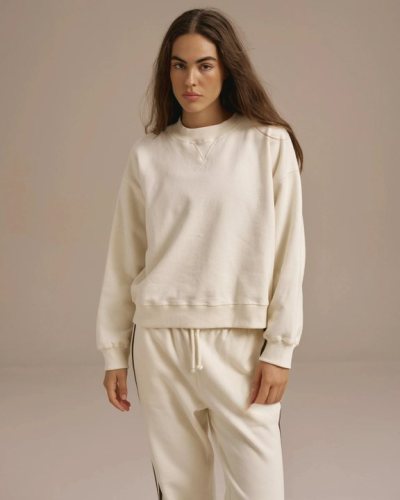
Sleepwear styles colors and order quantities reviewed when planning pajama manufacturing costs

Why Style and Color Count Matter

Suppose a collection contains 1 style x 1 color. The production setup is relatively concentrated.

Now compare 1 style x 5 colors. Even if the total unit quantity is similar, the second order may involve:

  • More fabric colors
  • More material allocation
  • More cutting separation
  • More production tracking
  • More packaging SKUs

This is why splitting one production order into many small colorways can affect cost efficiency.

Manufacturer's Note

For a new sleepwear launch, reducing the number of colorways can sometimes be more effective than reducing the total number of garments. A focused assortment also makes it easier to evaluate which styles and colors actually sell.

How Much Does Custom Dyeing Affect Pajama Cost?

Custom dyeing can change the material cost and order structure.

A custom color may require:

  • Lab dip development
  • Color approval
  • Dyeing minimum
  • Additional lead time
  • Shade control

If the brand chooses an available stock color, some of these steps may be reduced. If exact brand colors are central to the collection, custom dyeing may be worth the additional development.

The question is not simply "Is custom dyeing expensive?" It is: "Does having an exact custom color create enough product or brand value to justify the additional requirements?"

How Does Printing Affect Pajama Manufacturing Cost?

Printed pajamas can require a separate costing analysis. The final price may depend on:

  • Printing method
  • Fabric
  • Artwork size
  • Print coverage
  • Number of colors
  • Number of colorways
  • Repeat
  • Setup requirements
  • Quantity

Common sleepwear printing directions include all-over printing, digital textile printing, screen printing, sublimation and placement printing. You can compare these processes in our overview of sleepwear printing and customization techniques.

Different processes work with different materials and order structures.

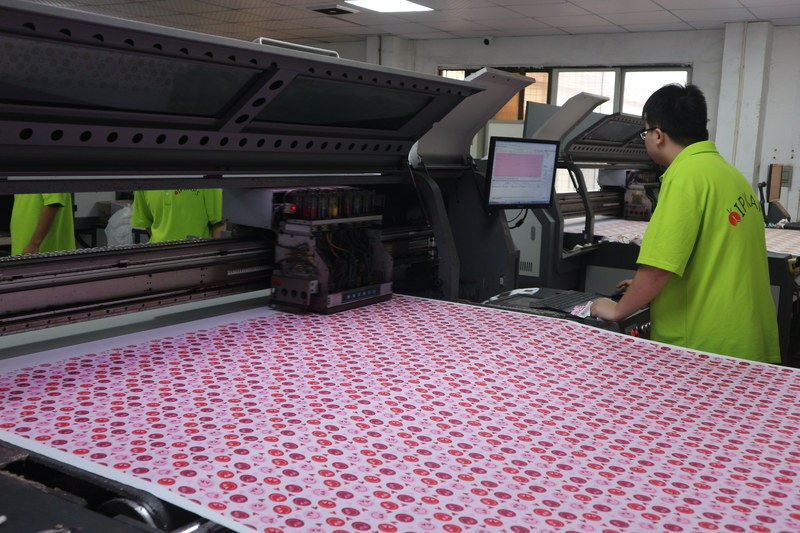
Custom pajama printing piping buttons and trims reviewed as garment production cost factors

All-Over Print Pajamas

For all-over printed pajamas, the fabric is generally printed before garment cutting.

The brand needs to consider:

  • Printed fabric quantity
  • Artwork repeat
  • Print scale
  • Color
  • Fabric compatibility

A simple solid-color garment and an all-over custom print should therefore not be expected to have identical production costs.

Manufacturer's Note

Do not choose a printing method only by asking "Which one is cheapest?" First determine fabric, artwork, coverage, quantity and expected appearance, and then select the appropriate process.

Does Embroidery Increase Pajama Cost?

It can. For sleepwear, embroidery is commonly used for small logos or subtle branded details.

Embroidery cost can be influenced by:

  • Artwork size
  • Stitch count
  • Number of positions
  • Thread colors
  • Quantity
  • Digitizing and setup
  • Garment location

A small flat embroidered chest logo and a large decorative embroidered panel are very different production requirements.

For many pajama programs, a simple logo embroidery is a relatively contained customization step, but it still needs to be included in the quotation.

Piping Can Add More Cost Than Brands Expect

Contrast piping is a common detail in classic pajama sets. But piping involves more than adding a colored line.

Depending on the construction, it may require:

  • Piping material
  • Cutting or preparation
  • Additional sewing operations
  • Corner and curve handling
  • Alignment control

Typical piping locations include the collar, front opening, chest pocket, cuffs and pant hem.

A pajama set with piping throughout the top and pants requires more operations than a version without piping.

Manufacturer's Note

If a brand needs to reduce cost but wants to preserve the classic pajama look, consider which piping locations contribute most to the design. Cost reduction does not always require removing the detail completely.

Buttons, Elastic and Other Trims Also Affect Cost

Individual trims may appear inexpensive, but several components together can change the final quotation.

Typical sleepwear trims include:

  • Buttons
  • Waist elastic
  • Drawcord
  • Lace
  • Zippers
  • Binding
  • Adjusters
  • Snaps
  • Decorative hardware

Cost depends on whether the component is stock or custom-developed. Custom branded buttons or hardware may also involve separate supplier minimums.

Private Labels and Branding Need to Be Included

Private label manufacturing, in both OEM vs ODM sleepwear manufacturing models, can involve:

  • Main label
  • Size label
  • Care label
  • Hangtag
  • Brand sticker
  • Barcode
  • Custom packaging

These components have their own unit cost, setup, MOQ and lead time.

A basic woven label usually represents a different cost commitment from a custom printed box, tissue paper, ribbon or premium gift packaging.

Brands should define the branding level early enough for it to be included in the quotation.

Packaging Can Significantly Change the Final Product Cost

Packaging can range from very simple to highly customized.

Basic Packaging

May include:

  • Folding
  • Individual bag
  • Size sticker
  • Carton

Branded Packaging

May include:

  • Printed polybag
  • Custom belly band
  • Tissue paper
  • Sticker
  • Gift box
  • Branded insert card
  • Custom carton

Premium packaging can make sense for gift-oriented sleepwear, bridal pajamas, luxury collections and direct-to-consumer presentation.

But if the product is sold through another retailer that removes factory packaging, elaborate packaging may add cost without adding customer value.

Does Sampling Affect the Cost of Custom Pajamas?

Yes, but brands should separate development cost from bulk production unit cost.

Sampling can involve:

  • Pattern development
  • Fabric sourcing
  • Sample cutting
  • Sewing
  • Printing
  • Embroidery
  • Trim development
  • Sample revisions
  • Shipping

A completely new design may require more development than a repeat style. Similarly, the path from first sample to revision to final approval can require more work than reproducing an existing approved pajama. Learn more about how custom pajama sampling works.

Manufacturer's Note

Do not evaluate a sampling fee only by asking whether it is high or low. Ask: "What development work is included?" A sample that helps identify fabric, fit and construction problems before bulk production can prevent much more expensive errors later.

Does a Tech Pack Reduce Manufacturing Cost?

A pajama tech pack does not automatically reduce the quoted fabric or sewing price.

But clearer specifications can reduce:

  • Misunderstanding
  • Incorrect samples
  • Revisions
  • Material changes
  • Production mistakes

A good pajama tech pack should define key information such as fabric, measurements, construction, artwork, trims, labels and packaging.

This can make quotation comparisons more meaningful because multiple suppliers are pricing a more consistent product.

Quality Requirements Can Affect Cost

Quality should not be treated as a free extra added after pricing.

Depending on the product and buyer requirements, manufacturing may involve:

  • Fabric inspection
  • Measurement checks
  • In-line inspection
  • Finished garment inspection
  • Packaging checks
  • Testing

More demanding specifications may require additional control.

However, removing essential quality checks simply to reduce price can increase the risk of returns, rework, rejected shipments and brand damage.

The useful question is: "Which quality controls are appropriate for this product and market?"

Testing and Compliance May Add Project Costs

Certain projects can require additional testing or documentation depending on:

  • Target market
  • Buyer requirements
  • Product category
  • Fabric claims
  • Children's products
  • Certification requirements

Do not assume testing is included in every quotation. Ask:

  • Which tests are required?
  • Who arranges them?
  • Is laboratory testing included?
  • Does an existing material certificate apply?
  • Is new testing needed for this order?

Testing should be planned early enough that it does not become an unexpected pre-shipment cost.

Shipping Terms Can Make Two Pajama Quotations Look Very Different

When comparing supplier prices, check the Incoterms rule or delivery scope behind the quotation. ICC explains that Incoterms clarify how costs, responsibilities and risks are divided between buyer and seller.

For example:

EXW

Under EXW, the seller generally makes the goods available at the agreed location, usually its premises, and the buyer takes on most transportation and related responsibilities from there.

FOB

Under FOB for applicable sea shipments, the seller delivers the goods loaded aboard the buyer-nominated vessel at the agreed port; responsibility and risk then transfer according to the Incoterms rule.

DDP

DDP places much more delivery responsibility on the seller, including import-side obligations described by the ICC.

Therefore $10 EXW and $10 DDP do not represent equivalent offers. Always compare quotations using the same delivery scope.

Factory Price vs Landed Cost: What Is the Difference?

This distinction is extremely important for brands sourcing internationally.

Factory production cost may include the garment, fabric, sewing, decoration, labels and packaging, depending on the quotation.

Landed cost can additionally include:

  • Origin handling
  • Freight
  • Insurance where applicable
  • Customs
  • Duties and tariffs
  • Brokerage
  • Destination handling
  • Local delivery

Which party pays each item depends on the agreed commercial terms. ICC's Incoterms framework exists specifically to clarify these divisions of costs and responsibilities.

Brands should therefore budget for the cost of getting saleable pajamas into inventory, not only the number on the factory's product quotation.

A Better Way to Calculate Your Pajama Budget

Instead of starting with one target unit price, divide the project into three layers.

Layer 1 - Product Development

Include:

  • Tech pack if required
  • Sample development
  • Sample revisions
  • Print development
  • Trim development
  • Sample shipping

Layer 2 - Bulk Manufacturing

Include:

  • Fabric
  • Cutting
  • Sewing
  • Printing and embroidery
  • Trims
  • Labels
  • Finishing
  • QC
  • Packaging

Layer 3 - Delivery and Import

Depending on your commercial terms:

  • Freight
  • Insurance
  • Import duties and tariffs
  • Customs and brokerage
  • Destination delivery

This produces a much more realistic business budget than factory price x quantity alone.

What Information Does a Manufacturer Need to Quote Custom Pajamas?

The more complete your information, the more useful the quotation can be.

Try to provide:

Product

  • Pajama type
  • Reference image
  • Technical drawing
  • Tech pack if available

Fabric

  • Composition
  • Knit or woven
  • Construction
  • GSM
  • Color

Quantity

  • Total pieces
  • Number of styles
  • Number of colors
  • Size range

Customization

  • Print
  • Embroidery
  • Piping
  • Buttons
  • Lace
  • Special trims

Branding

  • Labels
  • Hangtags
  • Packaging

Delivery

  • Destination
  • Required trade term if known

A manufacturer cannot accurately price information that has not yet been defined.

How Should You Compare Quotes From Different Pajama Manufacturers?

Do not compare only the final number. Create a comparison table.

ItemSupplier ASupplier BSupplier C
Fabric Composition
Fabric Construction
GSM
MOQ
Unit Price
Print Included
Trims Included
Labels Included
Packaging Included
QC Included
Testing Included
Incoterm
Freight Included
Sample Cost
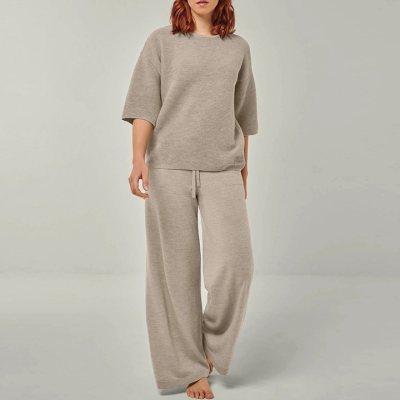
Sleepwear buyer comparing pajama manufacturer quotations by fabric specification customization and production scope

A lower quotation may simply exclude items included in another supplier's price.

Manufacturer's Note

Before negotiating a price, make sure both factories are quoting the same product. Otherwise you may be negotiating cheaper fabric, lighter GSM, simpler construction or different packaging, rather than a genuinely better manufacturing price.

How Can a Sleepwear Brand Reduce Manufacturing Cost Without Ruining the Product?

Cost optimization should begin with product decisions.

1. Reduce the Number of Colorways

Fewer colors can simplify material sourcing and production.

2. Use a Suitable Available Fabric

When exact custom development is not essential.

3. Share Fabric Across Multiple Styles

Where design and construction make this practical.

4. Prioritize Important Custom Details

Decide which elements customers will actually notice.

5. Simplify Hidden Construction

Do not pay for complexity that creates no meaningful product value.

6. Use Standard Trims Where Appropriate

A standard button may make more sense than custom hardware on an early collection.

7. Avoid Over-Designed Packaging

Match packaging investment to the sales channel.

8. Plan the Order Quantity Carefully

Too little quantity can raise unit cost; too much creates inventory risk.

9. Finalize the Product Before Bulk Production

Late changes can affect material, production and timing assumptions.

10. Compare Like With Like

Do not select a cheaper quote until the specification is confirmed.

Where Should You Spend More on a Pajama Collection?

Not every cost should be reduced. For many sleepwear products, areas worth protecting include:

Fabric

The customer directly experiences it against the skin.

Fit

Poor fit can make even an expensive material feel like a low-quality garment.

Waistband Comfort

Particularly important for sleepwear.

Sewing at Visible Details

Collars, piping, pockets and hems strongly influence appearance.

Printing

Poor color or artwork execution can change the entire design.

Quality Control

Defects become much more expensive after the goods reach the customer.

Cost engineering should preserve the features that define the product.

Low MOQ vs Lower Unit Cost: Which Should a Brand Prioritize?

This depends on the stage of the brand.

A New Brand May Prioritize

  • Lower inventory exposure
  • Fewer styles
  • Fewer colors
  • Faster market testing

A Growing Brand May Prioritize

  • Better volume pricing
  • Custom fabric
  • More colorways
  • Greater packaging customization
  • Repeat-order efficiency

Neither strategy is universally correct. A unit cost that looks higher may still create a healthier business decision if it prevents excessive unsold inventory.

Should You Tell a Manufacturer Your Target Price?

It can be useful if the target is realistic and accompanied by product requirements.

For example, "We want a women's modal knit pajama set with a target factory price of X at 500 pieces" gives the manufacturer something to evaluate.

They can then explain whether the target requires changes to:

  • Fabric
  • Construction
  • Print
  • Trims
  • Packaging
  • Quantity

But do not use a target price as a substitute for a product specification. The first question should remain: "What product are we trying to build?"

Common Pajama Costing Mistakes Brands Should Avoid

Asking for a Price From a Photo Only

A photo does not define fabric, GSM, construction or quantity.

Comparing Different Fabrics

Two quotations are not comparable when the material specifications differ.

Ignoring MOQ

The same product can have different cost efficiency at different quantities.

Forgetting Printing Costs

Especially for all-over printed pajamas.

Forgetting Labels and Packaging

Private label components should be included from the beginning.

Ignoring Sampling

Development is part of getting a custom product ready for production.

Comparing EXW With FOB or DDP

Different delivery scopes can make prices appear artificially different.

Optimizing Only Unit Price

Inventory, quality, freight and sell-through also matter.

Making Major Changes After Approval

Late changes can reset costing assumptions.

Custom Pajama Cost Checklist

Before approving a quotation, confirm:

  • Fabric composition
  • Knit or woven construction
  • GSM / fabric weight
  • Garment quantity
  • Quantity per color
  • Print method
  • Embroidery
  • Piping
  • Buttons and trims
  • Labels
  • Packaging
  • Sampling
  • Testing requirements
  • Quality requirements
  • Incoterm
  • Freight responsibility
  • Import costs
  • Payment terms
  • Quote validity
  • What is specifically excluded

If several of these items are unknown, the "unit price" is probably not yet the final commercial picture.

Frequently Asked Questions About Pajama Manufacturing Costs

How much does it cost to manufacture custom pajamas?

There is no universal price. The cost depends on fabric, construction, quantity, printing, trims, labels, packaging, sampling and shipping terms. A meaningful quotation requires a sufficiently defined product.

What is the biggest cost in custom pajama manufacturing?

Fabric is usually one of the major cost components in apparel manufacturing, but its importance varies according to the product. Current apparel costing guides consistently identify material as a major cost driver alongside labor, trims, decoration and packaging.

Are cotton pajamas cheaper than modal pajamas?

Not always. Price depends on the actual cotton or modal fabric specification, including yarn, construction, GSM, finishing, quantity and supplier. Fiber name alone is not enough to determine cost.

Does a lower MOQ make pajamas more expensive?

It can increase unit cost because development and production setup are distributed across fewer pieces, while material suppliers may also have minimum requirements.

Does custom printing increase pajama cost?

Usually it introduces an additional production cost, but the amount depends on the printing method, fabric, artwork, coverage and quantity.

Does custom packaging increase pajama cost?

It can. Boxes, printed bags, tissue paper, inserts and other customized packaging may add both unit cost and supplier minimum requirements.

Should sample cost be included in the bulk unit price?

Not necessarily. Sampling and bulk production are often better treated as separate development and manufacturing costs so brands can understand where their budget is being used.

Why do two pajama factories give very different quotations?

They may be quoting different fabrics, GSM, construction, decoration, packaging, quality requirements or trade terms. Compare the specification and included scope before comparing the final price.

What is the difference between factory price and landed cost?

Factory price relates to the goods and whatever production scope is included in the quotation. Landed cost also considers the costs required to bring the goods to the buyer's destination, such as freight and import-related costs depending on the agreed Incoterms rule.

How can I get an accurate custom pajama quote?

Provide a tech pack or clear product reference together with fabric requirements, quantity, colors, size range, printing, trims, labels, packaging and delivery destination.

About KoalaPurr Product Development Team

This guide was written by the KoalaPurr Product Development Team and reviewed by the KoalaPurr Sleepwear Manufacturing Team. Last updated: August 2026.

KoalaPurr is an OEM, ODM and private label sleepwear manufacturer producing women's sleepwear, robes, men's sleepwear, kids' pajamas and maternity wear for brands in North America, Europe and beyond. Our team handles the full development cycle, from fabric sourcing, pattern and fit development and sampling to bulk production, quality inspection and packaging.

In-house capabilities include:

  • Standard starting MOQ of 100 pieces per style per color
  • Fabric development across cotton, modal, viscose, satin, flannel, bamboo and blended materials
  • Tech pack review and sample development, typically 7-14 days
  • Bulk production commonly 24-30 days after approval
  • Four-stage quality control: material review, in-line checks, finished garment and packing inspection
  • Transparent quotation structure covering garment, fabric, color, print, labels and packaging

Every guide in this series is based on our daily production experience with real brands. If you are planning a custom pajama order for your own collection, share your project with our team and we will help you review the cost structure and production plan before you commit.

Planning the Cost of a Custom Pajama Collection?

The most useful pajama quotation is not necessarily the lowest one. It is the quotation that clearly reflects the product you actually want to manufacture.

Before comparing prices, define:

fabric - construction - quantity - colors - printing - trims - branding - packaging - delivery scope

KoalaPurr works with sleepwear brands from sample development through bulk manufacturing, with our sleepwear product development service covering each stage of the project. Our standard production MOQ generally starts from 100 pieces per style per color, while final costs and production requirements depend on the actual product specification.

Once you understand how the cost is built, the next question is which product choices move the price. Read our guide on what affects the price of custom pajama manufacturing to review fabric, construction, color, print, trims and packaging decisions before you optimize the quotation.

If you already have a tech pack, reference garment, artwork or product idea, contact our sleepwear development team for a more meaningful cost evaluation.

Discuss Your Custom Pajama Project Learn About Custom Pajama MOQ Explore Sleepwear Product Development

Are you looking for a reliable sleepwear manufacturer for your brand?

From product development to bulk production, we provide custom sleepwear solutions with professional support for global brands.