Knit Fabric Explained: From Everyday T-Shirts to Soft Loungewear
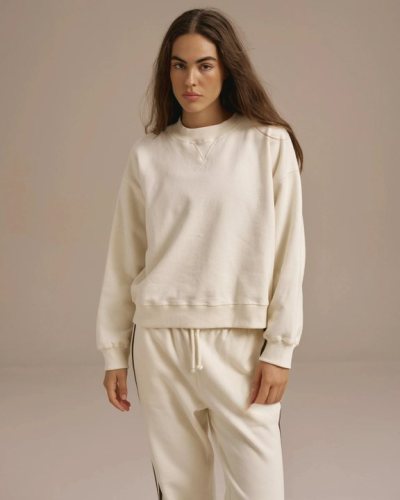
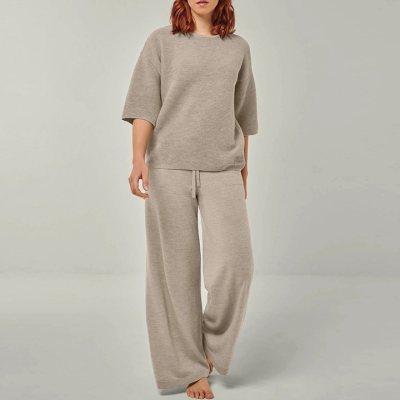
Think of a favorite T-shirt: it moves with you and feels easy to wear. Many pajama tops and lounge sets have that same familiar feel. They are often made from knit fabric, though a fine, drapey sleep shirt and a thick sweatshirt can look and feel remarkably different.
What Is Knit Fabric?
Knit fabric is made by forming yarn into connected loops. The loops can shift as the fabric moves, giving many knits their natural stretch. A cotton T-shirt and a modal pajama top can both be knits, even though the yarns give them a different feel.
“Knit” describes the fabric’s construction, while cotton, modal and polyester describe what the yarn is made from. Jersey, rib and interlock are names for different knit structures. Keeping those names separate makes a fabric description much easier to understand.
How Knitted Fabric Is Made
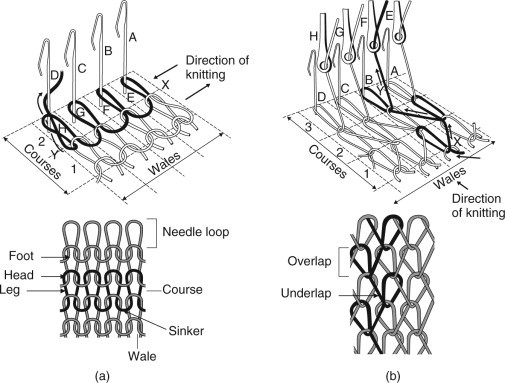
On a knitting machine, needles draw new loops of yarn through earlier loops, building a continuous piece of fabric. In weft knitting, loops are formed across the width. It is the method used for many familiar apparel fabrics, including jersey and rib.
Warp knitting uses multiple yarns running lengthwise to form connected loops. It is another broad family of knits, but the everyday T-shirts, pajamas and sweatshirts discussed below are commonly made with weft-knit structures. The arrangement of the loops changes how much the fabric stretches, how it hangs and whether its edges curl.
Key Properties of Knit Fabric
Stretch and recovery
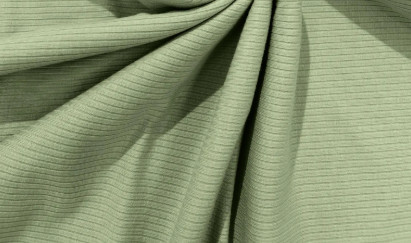
The first thing you may notice is how comfortably a knit gives when you move. Rib opens up across its width, while a jersey top usually stretches more easily across the body than along it. Stretch and recovery are different, though: a fabric may pull easily yet take its time to return to shape. Elastane is often added when a closer-fitting garment needs better recovery.
Softness and drape
Knits can also feel soft against the skin because the fabric bends readily. A light modal jersey may fall in loose folds for a sleep shirt, while an interlock top feels fuller and looks neater. A cotton jersey can have a different hand from either one, even when all three garments have a similar cut. Fiber, yarn, weight and finishing all affect the result.
Breathability and warmth
A thin, open knit can feel comfortable in warm weather, whereas a dense or brushed knit can feel much warmer. The word knit alone does not tell you whether a pajama set will be cool enough for summer.
Disadvantages of Knitted Fabrics
- Shape changes and shrinkage: Some knits can stretch out in areas that are pulled repeatedly or shrink after washing. The extent depends on the yarn, structure, finishing and care.
- Pilling and snags: Friction can leave small pills on the surface, while exposed loops may catch on rough surfaces. These issues vary from one fabric to another.
- Curling edges: Cut edges of single jersey may curl, and some knit structures can unravel if a loop is pulled. Interlock is more stable and lies flatter.
Common Knit Fabrics You’ll See in Clothing
These names describe the fabric structure or surface, not its fiber content. A jersey can be cotton, modal or a blend; French terry can also be made in different weights and compositions.
| Fabric | What it looks and feels like | Common clothing uses |
|---|---|---|
| Single jersey | Smooth face and a visibly different back; often light and fluid | T-shirts, pajama tops, nightdresses |
| Rib knit | Raised vertical lines and generous widthwise stretch | Fitted lounge sets, tanks, cuffs and waistbands |
| Interlock | Smooth on both sides, fuller and more stable than a typical single jersey | Pajama sets, soft tops, relaxed lounge pieces |
| French terry | Smooth outside with unbrushed loops or floats inside | Sweatshirts, lounge shorts, joggers |
| Sweatshirt fleece | Smooth outside with a soft brushed or napped inside | Warmer sweatshirts and lounge sets |
Single jersey is a familiar choice when you want a soft T-shirt feel. Interlock gives a smoother, more substantial result, while rib makes a fitted top or lounge set feel more flexible. French terry and sweatshirt fleece move the collection toward casual layers and cooler-weather pieces; the brushed inside is the easy way to tell the latter apart.
Choosing Knit Fabric for Sleepwear and Loungewear
For a lightweight pajama set, a soft jersey that drapes easily is a natural starting point. A nightdress can use that same fluid feel, while an interlock set may suit a slightly fuller top and trousers. Neither description fixes the fabric’s composition: cotton and modal versions can bring different touches to a similar shape.
A ribbed tank and shorts set has a closer, more textured look. For sweatshirts and joggers, French terry gives you a casual loop-backed fabric without a brushed interior; sweatshirt fleece offers a warmer, fluffier feel. Consider when the customer will wear the piece and how loose or fitted it should feel before settling on the fabric.
FAQs
Is knit fabric breathable?
Some knit fabrics are breathable, but knitting does not guarantee it. Fiber, weight, density and finish affect how much air passes through and how the garment feels in warm weather.
Is jersey the same as knit fabric?
Jersey is one kind of knit fabric. Rib, interlock and French terry are knits too, but their surfaces and stretch behave differently.
What is the difference between knit and woven fabric?
Knit fabric is built from connected loops; woven fabric is made by crossing yarns over and under one another. Many knits stretch more readily without elastane, while woven fabrics often hold a crisper shape. The exact feel still depends on the particular fabric.
Conclusion
The best knit for a pajama set may feel too light for a lounge shirt, and a cozy sweatshirt fabric may be more than you want for sleepwear. Start with the garment people will actually wear, then look for the weight, feel and movement that suit it.
Planning a knit sleepwear or loungewear collection? Send KoalaPurr your reference styles, and we can help you explore suitable fabrics and develop samples.