Modal Fabric Guide: Properties, Uses, Pros and Cons
Modal is one of those fabrics that can look straightforward on a swatch but behave quite differently once it becomes a garment.
In sleepwear and loungewear, we often look at modal when we want a softer hand and a more fluid drape. But the final result depends just as much on the knit, fabric weight, blend and finishing as it does on the fiber itself. Two fabrics with the same modal percentage can still feel very different after washing and wearing.
This guide explains what modal fabric is, where it works well, what to watch for, and how to judge whether it is right for a clothing collection.
What Is Modal Fabric?
Modal is a regenerated cellulose fiber made from wood-derived cellulose, commonly beech wood.
It belongs to the same broader fiber family as viscose and lyocell, but the processing and final fiber properties are not exactly the same. In apparel, modal is most often used in knit fabrics rather than treated as a stand-alone fabric type.
That distinction matters. When a supplier says “modal fabric,” you still need to ask about the knit structure, GSM, blend and finishing before you know how the garment will actually behave.
How Is Modal Fabric Made?
Modal starts with wood pulp. The cellulose is processed into a spinning solution, regenerated into fiber, spun into yarn and then knitted or woven into fabric.
For apparel development, the production chemistry is less important than the finished fabric construction. A 180 GSM modal jersey and a 240 GSM modal rib can behave like two very different materials even when the fiber content looks similar on paper.
What Does Modal Fabric Feel Like?
Modal is usually chosen for a smooth, soft hand and a more fluid look.
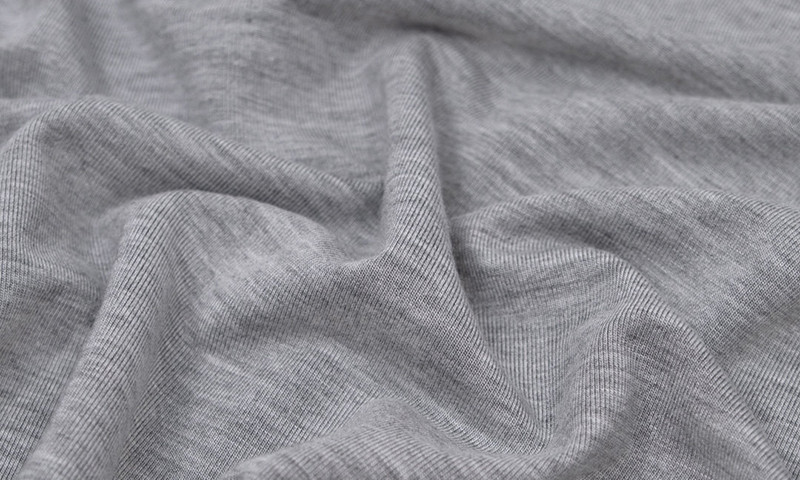
- Soft and smooth: Modal usually has a clean surface and a softer touch than many basic jersey fabrics.
- Fluid drape: It tends to fall closer to the body instead of holding a crisp shape.
- Good moisture absorbency: This makes it suitable for next-to-skin garments and lightweight clothing.
- Low natural elasticity: Modal itself is not highly stretchy. Stretch usually comes from the knit construction or added elastane.
- Sensitive to construction: A lightweight modal jersey can feel delicate and fluid, while a heavier rib or blend may feel much more stable.
When we evaluate modal for sleepwear, we usually look at drape and recovery together. A fabric can feel beautifully soft in the hand but still be wrong for the style if it grows too much after wear.
Pros and Cons of Modal Fabric
Modal can work very well in soft apparel, but it also has a few points that need to be checked before production.
Pros
- Comfortable for next-to-skin garments
- Works well in lightweight knit styles
- Takes color well
- Easy to blend with elastane, cotton or other fibers
- Can give relaxed garments a clean, premium appearance
Cons
- Lightweight qualities can grow or lose shape if recovery is weak
- Some modal knits are prone to pilling
- Heat can affect shrinkage and hand feel
- Very fluid fabrics can be harder to cut and sew cleanly
- Quality varies a lot between suppliers
The main risk with modal is not that it is a poor fabric. It is that a beautiful hand feel can hide weak recovery, shrinkage or pilling until the fabric is tested properly.
What Is Modal Fabric Used For?
Modal is most common in products where the fabric needs to move easily and sit comfortably against the skin.
Typical uses include:
- Pajamas and sleepwear
- Loungewear
- Underwear
- T-shirts and tops
- Leggings
- Soft dresses
- Lightweight robes
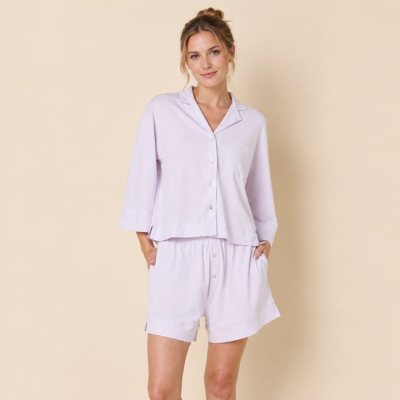
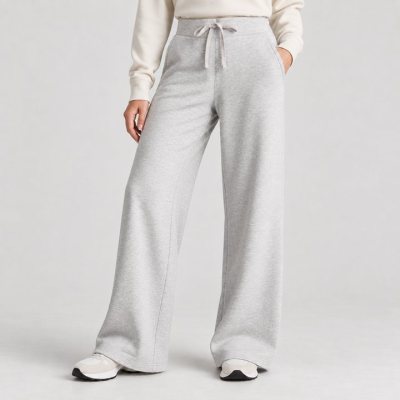
In sleepwear and loungewear, it is especially useful for relaxed pajama sets, soft lounge pants and fitted tops. We use it less often when the garment needs a crisp shape or a very structured silhouette.
Modal Blends: What Changes?
Modal is often blended with other fibers to change the stretch, hand feel, structure or performance of the fabric.
Modal + Elastane
This is common when the style needs more stretch and recovery. It works well for knit pajamas, fitted tops, underwear and lounge pants.
Modal + Cotton
Cotton can make the fabric feel slightly more familiar and sometimes less fluid, depending on the blend ratio and knit construction.
Modal + Polyester
Polyester may be added to improve durability, control cost or change how the fabric holds shape.
We rarely choose a blend based on composition alone. The same 95/5 modal-elastane ratio can feel very different depending on the yarn, knitting and finishing.
Modal vs Cotton vs Viscose vs Lyocell
These fibers are often compared, especially when brands are choosing materials for soft apparel.
| Fiber | General Feel | Structure | Typical Use |
|---|---|---|---|
| Modal | Soft, smooth | Fluid | Sleepwear, loungewear, underwear |
| Cotton | Varies widely | From soft to structured | Broad apparel use |
| Viscose | Soft, fluid | Usually less stable | Dresses, tops, sleepwear |
| Lyocell | Smooth, clean | More controlled drape | Apparel, sleepwear, loungewear |
These are broad tendencies rather than fixed rules.
In practice, fabric construction often matters more than the fiber name alone. A good cotton jersey can feel softer than a poor-quality modal fabric, while a heavier modal rib can be more stable than expected.
How to Choose Modal Fabric for Clothing
When we source modal, we do not approve a fabric from the composition line alone.
A supplier may show several fabrics that all contain modal, but they can perform very differently once made into garments.
For apparel development, check:
- GSM: Very light fabrics can feel soft but may lack stability.
- Stretch and recovery: Important for necklines, waistbands and fitted styles.
- Shrinkage: Always check after washing, not only before.
- Pilling: Especially important for soft jersey qualities.
- Drape: Test it in the actual garment, not only as a hanging swatch.
- Colorfastness: Dark and saturated colors should be tested.
- Hand feel after wash: Some finishes can change after the first few washes.
A swatch can tell you whether the fabric feels nice. A sample garment tells you whether it actually works.
For pajamas and loungewear, weight, recovery and shrinkage are usually worth checking carefully before moving into bulk production.
How to Care for Modal Fabric
Modal care depends on the fabric construction and blend, but excessive heat is usually one of the first things to avoid.
Gentle washing is generally safer for soft modal garments, especially lightweight jersey and modal-elastane blends. Drying at high temperatures can affect shrinkage and may also change the hand feel.
For production, care instructions should be confirmed after wash testing rather than copied from a generic modal label. A modal-elastane jersey and a modal-cotton blend may not need exactly the same treatment.
Is Modal Fabric Sustainable?
Modal is made from wood-derived cellulose, but the fiber name alone does not tell you the full environmental story.
Forest sourcing, chemical recovery, water use and the production system all matter. If sustainability is important to the collection, it is better to check the actual fiber supplier, traceability and relevant certifications rather than rely on the word “modal” as a claim by itself.
Modal can be part of a lower-impact material strategy, but that depends on how the fiber is sourced and produced.
Final Thoughts
Modal can be an excellent choice for soft, fluid sleepwear and loungewear, but it is not a fabric we would approve only because it feels good in the hand.
The better question is whether the fabric keeps its shape, survives washing, suits the silhouette and still feels right after wear. That is why weight, recovery, pilling and shrinkage should be checked alongside softness.
If you are developing modal pajamas or loungewear, KoalaPurr can support you with fabric selection, sampling and custom production from product development through bulk manufacturing.
FAQ
Is modal fabric better than cotton?
Not necessarily. Modal usually gives a softer, more fluid result, while cotton can offer a wider range of textures and structures. The better choice depends on the garment and the effect you want.
Does modal fabric shrink?
It can. The amount of shrinkage depends on the knit, finishing, blend and washing conditions, so fabric and garment wash testing is important before production.
Does modal fabric pill?
Some modal fabrics can pill, especially lightweight or very soft jersey qualities. Yarn quality, knit structure and finishing all affect pilling performance.
Is modal fabric stretchy?
Modal fiber itself is not highly elastic. Most stretchy modal garments get their stretch from the knit construction or from blending modal with elastane.