Types of Loungewear: A Guide to Popular Lounge Styles
Loungewear has changed a lot in recent years. It is no longer just about loose clothes for staying at home.
Good loungewear should feel easy to wear, but it should also look considered. That balance is what separates a well-designed lounge collection from basic homewear.
In this guide, we’ll look at the main types of loungewear, the fabrics commonly used, and how different pieces can be styled and combined into a collection.
What Is Loungewear?
Loungewear is relaxed clothing designed around comfort, ease and everyday wear.
It usually sits between sleepwear and casualwear. Compared with pajamas, the fit and styling are often more versatile, while compared with regular casualwear, the fabrics and construction tend to feel softer and less structured.
A good loungewear piece should be comfortable first, but it should not feel unfinished. Fabric, fit and proportion all matter, especially when the same piece is expected to work both at home and outside.
Popular Types of Loungewear
1. Lounge Sets and Co-ords
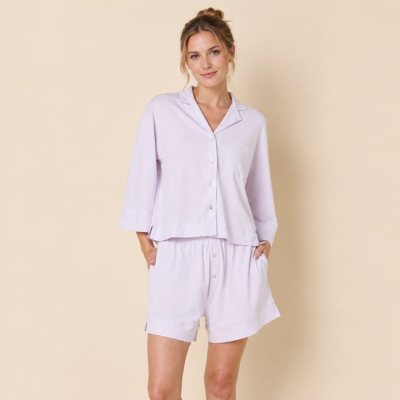
Lounge sets and co-ords are one of the most recognizable types of loungewear.
They usually combine a matching or coordinated top and bottom in the same fabric, color or design direction. Common combinations include a T-shirt with relaxed pants, a long-sleeve top with shorts, or a sweatshirt with joggers.
Co-ords are popular because they already look intentional without requiring much styling. For brands, they are also easy to adapt across different seasons by changing the fabric, sleeve length or bottom style.
2. Knit Lounge Sets
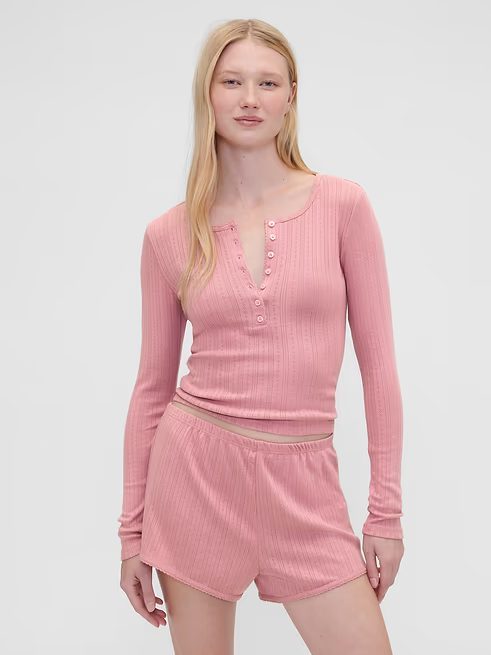
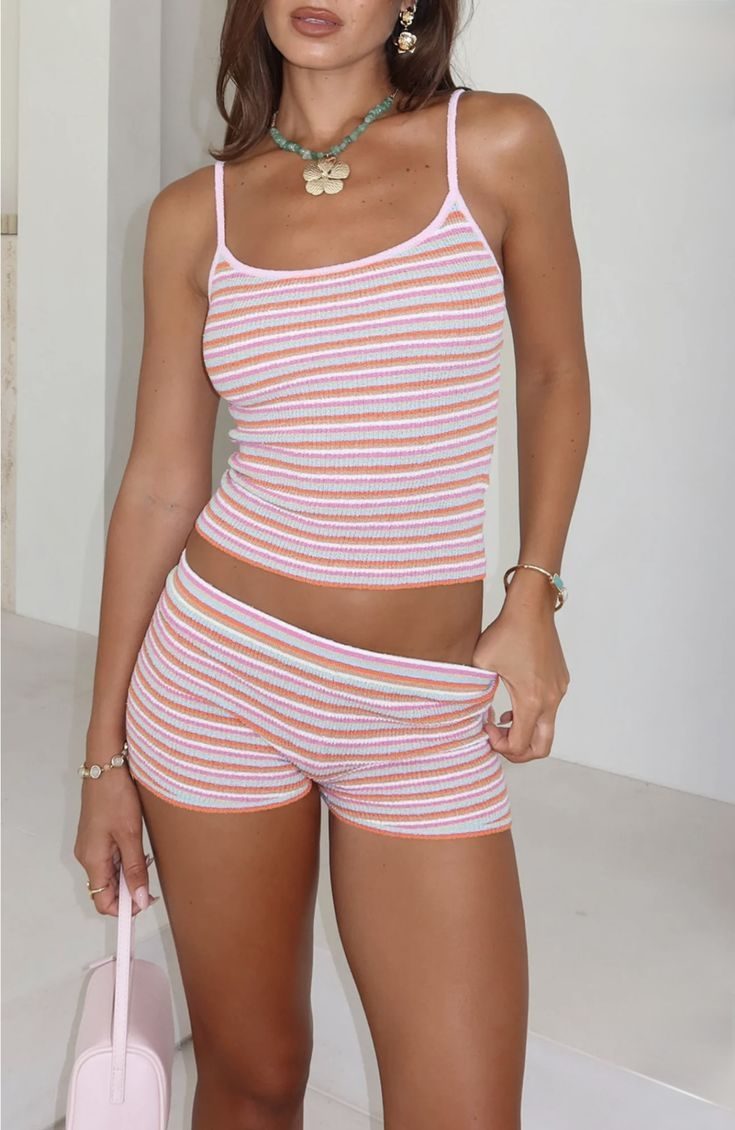
Knit lounge sets tend to have a softer, more refined look than basic jersey sets.
They can include rib-knit tops with matching pants, sweater-knit co-ords, fitted tanks with wide-leg trousers, or lightweight knitted shorts sets.
The texture of the knit adds more visual interest, which makes this category useful for brands aiming for a more premium or polished lounge collection.
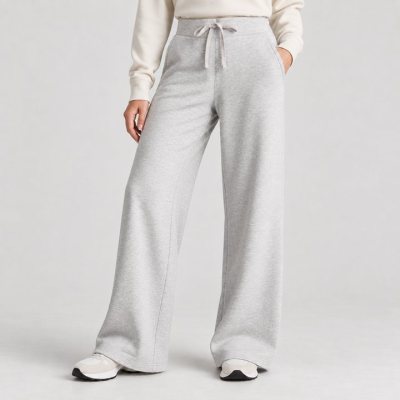
3. Joggers and Sweatpants
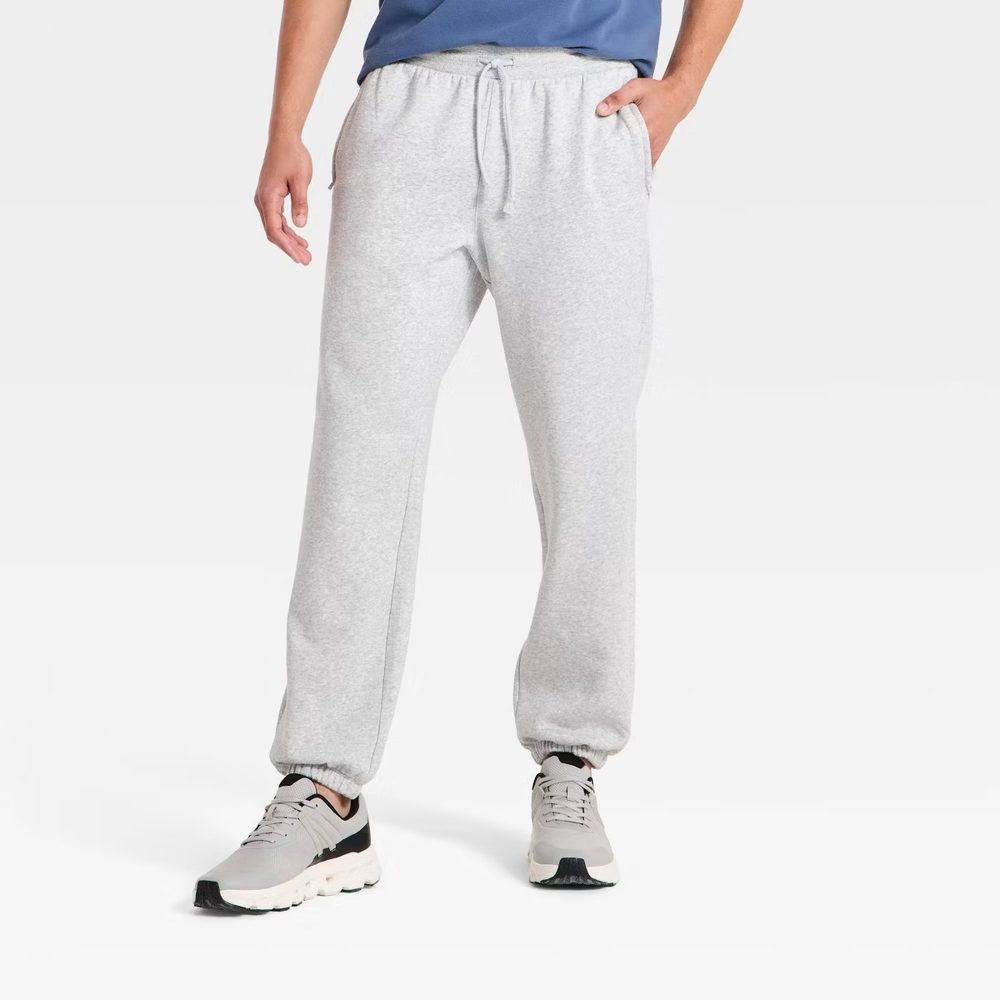
Joggers and sweatpants are classic loungewear bottoms.
They usually feature an elastic waistband, drawstring and relaxed fit, although the leg shape can vary from tapered joggers to straight or loose sweatpants.
French terry, fleece and heavier jersey are commonly used because they provide softness and structure at the same time.
4. Hoodies and Sweatshirts
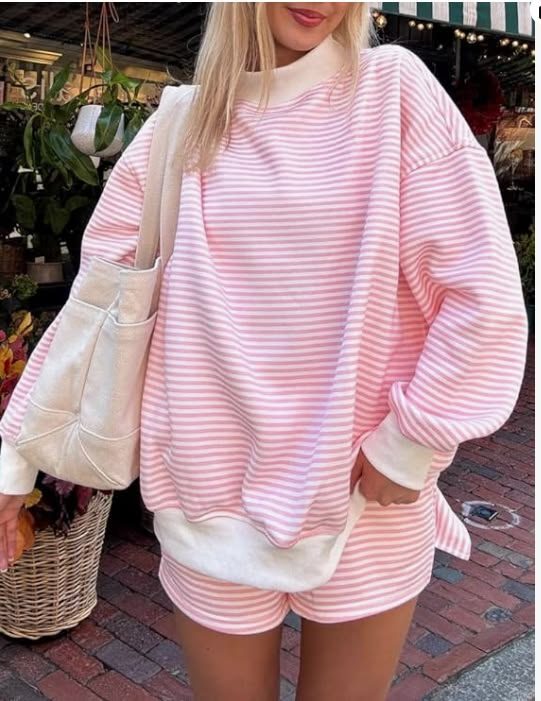
Hoodies and sweatshirts are a natural part of casual loungewear.
They may include crewnecks, pullover hoodies, zip-up hoodies or half-zip styles, and they are often paired with joggers or sweatpants to create a matching set.
This category works particularly well for cooler seasons and for collections that lean slightly toward athleisure or casual everyday wear.
5. Wide-Leg Lounge Pants
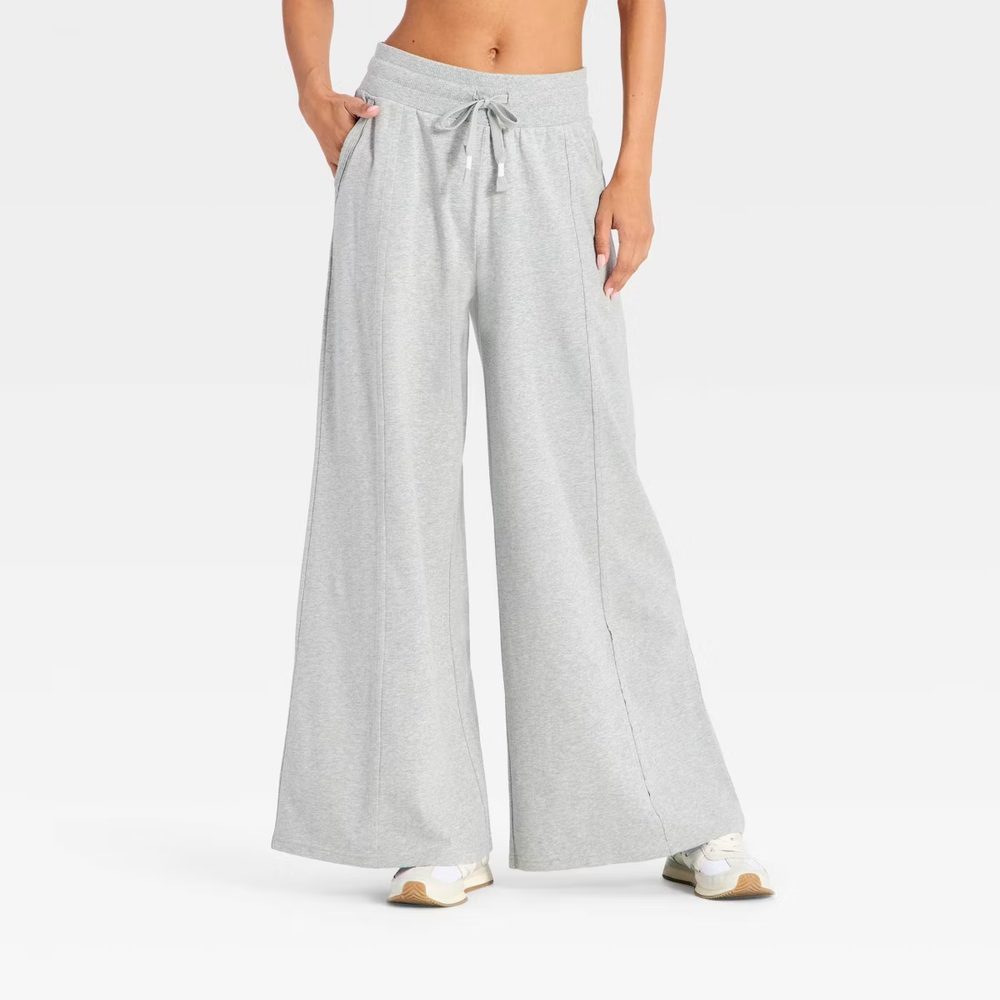
Wide-leg pants have become an important loungewear silhouette because they combine comfort with a cleaner, more polished look.
They are often designed with elastic or drawstring waists and soft fabrics that allow the legs to drape naturally.
Modal, bamboo viscose, lyocell and lightweight knits work especially well for this style because they create fluid movement without making the pants feel too heavy.
6. Leggings and Yoga-Style Lounge Pants
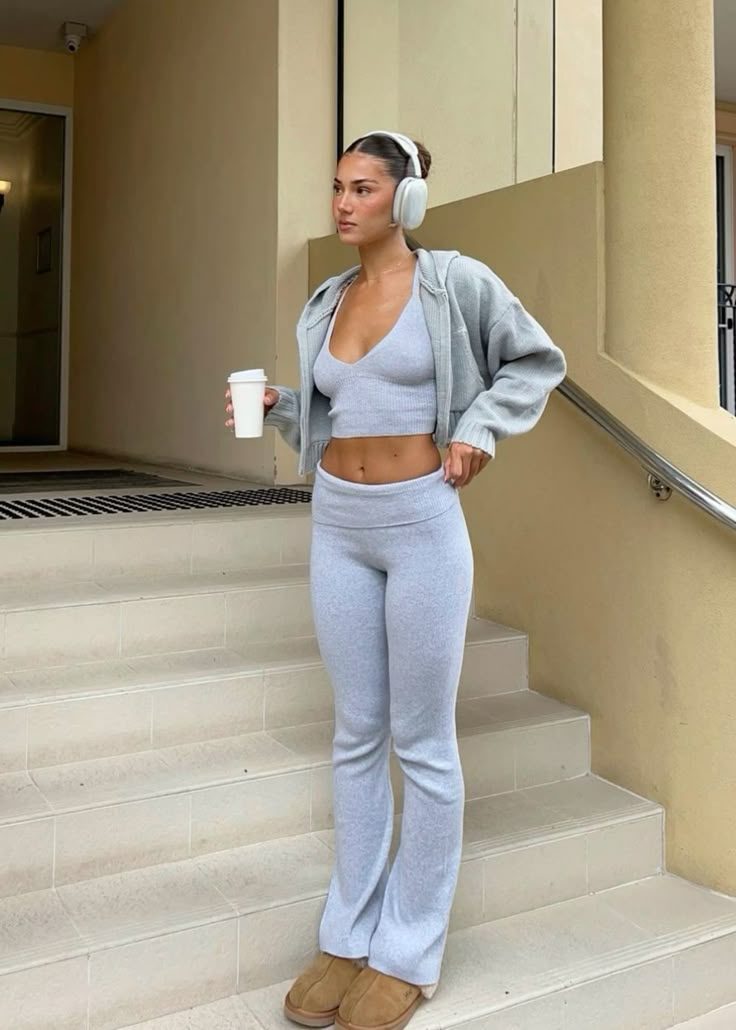
Leggings and yoga-style pants offer a closer fit than most other loungewear bottoms.
Stretch fabrics make them comfortable for relaxing, light movement or casual everyday wear. They are often paired with oversized sweatshirts, long tops, cardigans or fitted lounge tops.
Some styles sit between loungewear and activewear, so fabric recovery and stretch are particularly important in this category.
7. Lounge Tops
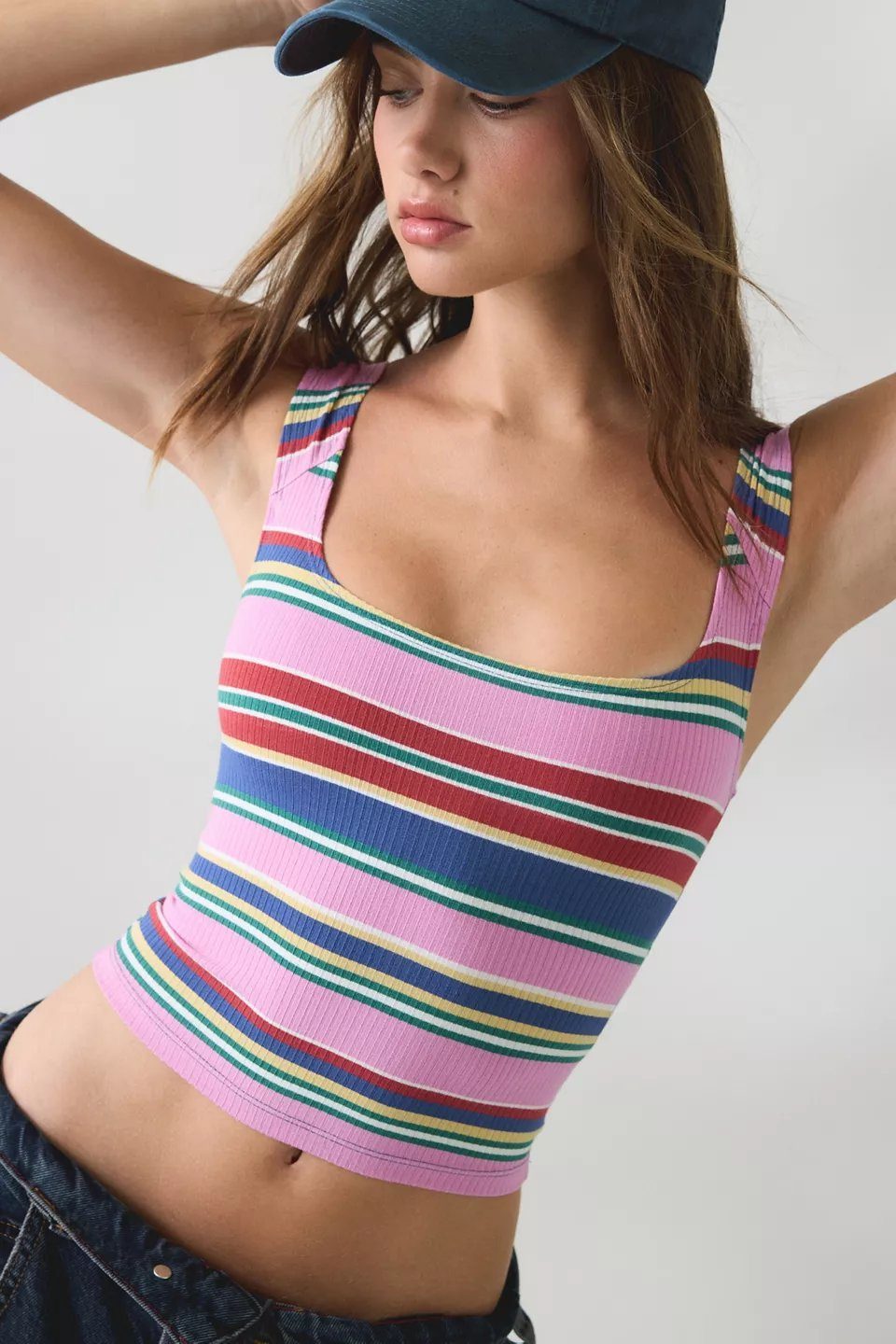
Lounge tops can be simple, but they play an important role in building a flexible collection.
Common styles include T-shirts, tank tops, long-sleeve tops, rib tops and oversized pullovers.
A fitted rib top may work well with wide-leg pants, while an oversized T-shirt can create a more casual look with shorts or leggings.
8. Lounge Dresses
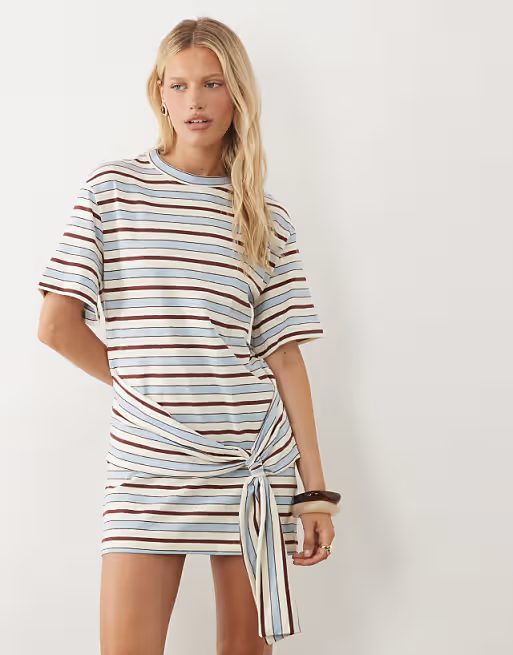
Lounge dresses offer the comfort of loungewear in a simple one-piece silhouette.
They are usually soft, relaxed and easy to wear, with styles ranging from T-shirt dresses and rib-knit dresses to longer jersey silhouettes.
Because there is no need to coordinate separate pieces, lounge dresses can work well for customers looking for an easy at-home or casual daytime option.
9. Jumpsuits and Rompers
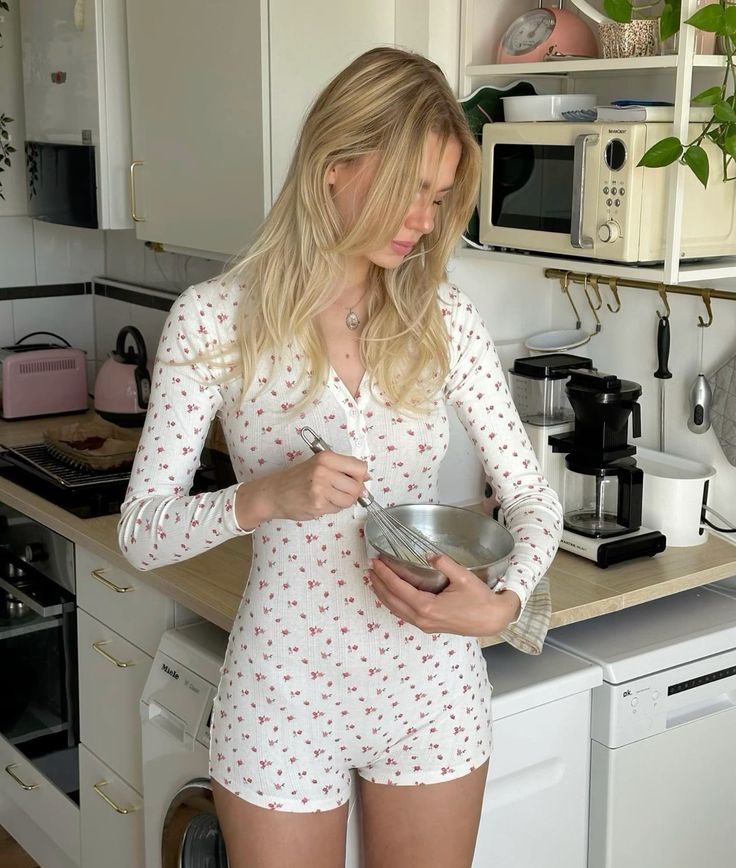
Jumpsuits and rompers are another one-piece loungewear option.
Jumpsuits usually have full-length legs and can create a slightly more polished look, while rompers are shorter and work better for warmer seasons.
Both styles may include drawstring waists, elastic details, buttons or relaxed necklines, depending on the design.
10. Cardigans
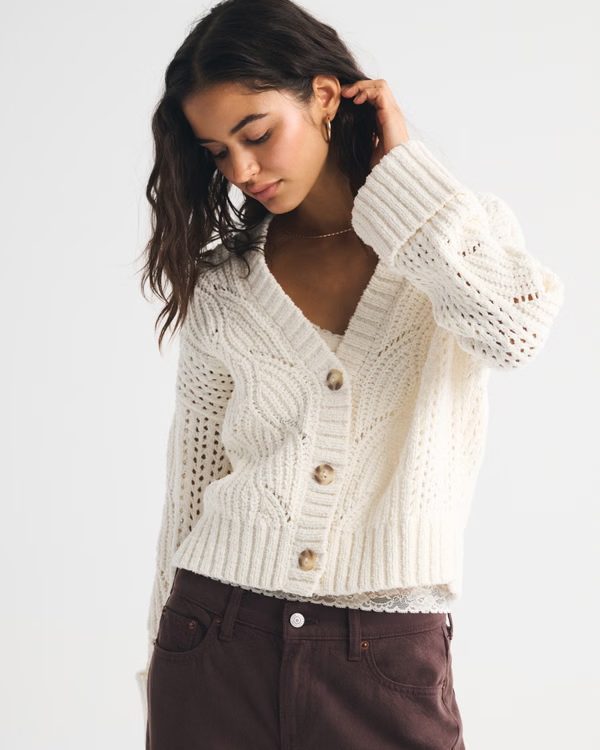
Cardigans are useful layering pieces in a loungewear collection.
They can be cropped, longline, rib-knit or lightweight, and are often designed to coordinate with matching tops and bottoms.
Adding a cardigan can make a simple lounge set feel more complete and also makes the outfit easier to wear outside the home.
Common Fabrics Used for Loungewear
Fabric has a big influence on the drape, stretch, warmth and overall look of loungewear.
- Cotton and Cotton Jersey: Soft, familiar and versatile choices for everyday lounge tops, pants and matching sets. Jersey versions usually feel more relaxed than woven cotton.
- Modal: Smooth and fluid, with a softer drape that works well for relaxed pants, tops and lightweight co-ords.
- Bamboo Viscose: Often used for soft knit loungewear because of its smooth hand feel and flowing drape.
- Lyocell: A good option for styles that need a cleaner, more refined appearance without losing softness.
- Rib Knit: Adds texture and stretch, making it useful for fitted tops, tanks, pants and coordinated knit sets.
- French Terry and Fleece: Better suited to sweatshirts, hoodies and joggers when more structure and warmth are needed.
The same silhouette can feel very different depending on the fabric. A wide-leg pant in modal may look soft and fluid, while the same shape in a heavier knit will feel more structured.
How to Style Loungewear
Loungewear does not need much styling to look put together.
Start with co-ords.
Matching sets already create a clean, coordinated look and are one of the easiest ways to make loungewear feel more intentional.
Add a layer.
A cardigan, lightweight jacket or overshirt can make a simple lounge set feel more complete, especially when moving from home to casual daytime wear.
Balance relaxed and fitted pieces.
Wide-leg pants work well with a more fitted top, while leggings can be balanced with an oversized sweatshirt or long cardigan.
Small changes in proportion usually make more difference than adding a lot of accessories.
How to Choose Loungewear Styles for a Collection
Choosing loungewear styles should start with how the customer is expected to wear them.
Target customer
Is the collection focused on at-home comfort, travel, casual everyday wear or a more premium lounge look? That decision will influence both silhouette and fabric.
Season and climate
Lightweight jersey, modal and short sets work well for warmer seasons, while French terry, fleece and layered knit sets are better for cooler conditions.
Collection balance
A strong collection does not need many nearly identical styles. A co-ord, wide-leg pant, lounge top and cardigan can create enough variety while still keeping the range visually consistent.
Final Thoughts
Good loungewear is not simply about making clothes softer or looser. The best pieces balance comfort, fit and enough structure to feel considered rather than unfinished.
For brands, it is usually better to build a small group of styles that work well together than to add too many similar pieces. Fabric choice, proportion and how each item fits into the collection will often matter more than the number of styles.
If you are developing a custom loungewear collection, KoalaPurr can support you with fabric selection, product development, sampling and bulk production.
FAQ
What is considered loungewear?
Loungewear includes relaxed, comfortable clothing such as lounge sets, joggers, sweatshirts, wide-leg pants, lounge dresses, cardigans and similar pieces designed for home or casual everyday wear.
What is the difference between loungewear and pajamas?
Pajamas are mainly designed for sleeping, while loungewear is broader and can be worn for relaxing at home, working from home, travelling or running casual errands.
What are loungewear co-ords?
Loungewear co-ords are coordinated tops and bottoms designed to be worn together. They may use the same fabric and color or simply follow the same design direction.
Can loungewear be worn outside the home?
Yes. Many modern loungewear styles are designed to move easily between home and casual everyday settings, especially co-ords, joggers, wide-leg pants and knit sets.