What Is Satin Fabric? Properties, Types and Uses
Satin fabric is easy to recognize by its shine. You’ll often see it in pajama sets, slip dresses and robes, but not every satin feels the same. Some are light and soft, while others feel firmer and hold their shape.
Satin describes how a fabric is woven, not what it is made from. It can be made from silk, polyester or viscose, which helps explain why satin pajamas can feel different from one pair to another. If you’re choosing satin for a sleepwear collection, it helps to know what those differences mean for the clothes you want to make.
Key Properties of Satin Fabric
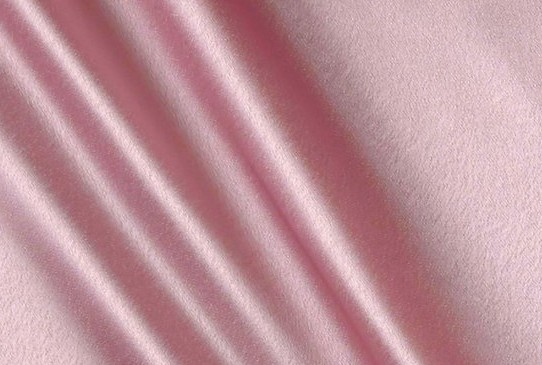
Satin usually has a smooth, shiny face and a duller back. Its shine comes from the way the yarns are woven: they pass over several other yarns before crossing underneath, leaving more yarn exposed on the surface to catch the light. Double-faced satin has a shiny surface on both sides.
The drape can vary quite a bit. A light charmeuse falls softly around the body, while duchess satin has more body and holds its shape. You can see the difference when the fabric hangs in folds: one flows, while the other makes fuller, firmer folds.
One drawback is that those exposed yarns can catch on jewelry or rough surfaces. Satin can also be slippery to cut and sew. How easily it wrinkles and how it should be washed depend on the particular fabric, rather than the satin name alone.
Common Types of Satin Fabric
You may come across names such as charmeuse, duchess satin and crepe-back satin when looking through fabric options. These names describe different features of the fabric, so they don’t always refer to separate categories. Stretch charmeuse, for example, is both charmeuse and stretch satin.
| Type | What it’s like | Where you’ll often see it |
|---|---|---|
| Charmeuse | Smooth, shiny face, a duller back and a soft, flowing drape | Slips, lingerie, pajama sets and blouses |
| Duchess satin | Dense and firm, with enough body to hold a shape | Wedding dresses and structured occasionwear |
| Crepe-back satin | A shiny face with a textured, matte reverse | Dresses and blouses, sometimes using both surfaces |
| Stretch satin | Satin with added give, commonly from elastane | Fitted sleepwear, lingerie and dresses |
For soft pajamas and light robes, charmeuse is a useful place to start. Duchess satin gives a very different result: its firmness is useful for a shaped dress, but usually less suited to relaxed nightwear. Crepe-back satin offers a choice of surfaces, while stretch satin adds give when the design needs it.
These names don’t tell you the fiber content. Charmeuse can be made from silk or polyester, and either version may contain elastane. “Polyester charmeuse” tells you both the material and the fabric style.
Satin vs Silk: What Is the Difference?
Silk is a fiber; satin is a weave. A fabric can be both, which is what “silk satin” means. Silk can also be woven into other fabrics, such as chiffon, so not every silk fabric has the shine associated with satin.
The comparison people usually have in mind is silk satin versus polyester satin. Both can give pajamas a smooth, glossy look, but they differ in cost, feel and care.
| Consideration | Silk satin | Polyester satin |
|---|---|---|
| Material | Natural silk fiber | Synthetic polyester fiber |
| Feel | Often soft and supple | Can be soft and fluid or firmer, depending on the fabric |
| Cost | Usually higher | Usually more affordable |
| Care | Often needs gentler washing and handling | Often easier to care for; follow the specific washing instructions |
Silk satin can suit a premium sleepwear line, especially when customers are happy to give the garments a little extra care. Polyester satin is often a practical option for a more affordable range. It can look similar in photographs, but the shine alone won’t tell you how either fabric feels against the skin.
What Is Satin Fabric Used For?
Satin is used for pajamas, lingerie, dresses, blouses, linings and accessories, as well as some home textiles. Lighter versions suit clothes that flow around the body, while firmer satins are used where a garment needs to hold its shape.
In sleepwear, you’ll often see satin in button-front pajama sets, camisole-and-shorts sets and slip dresses. A plain satin set with contrasting piping has a classic look, while a print can make the same shape feel more playful. Matching sets and robes also work well for bridal getting-ready outfits and gift collections.
Satin dressing robes are usually worn for lounging or getting ready, rather than drying off after a bath. For daytime loungewear, a satin shirt with relaxed trousers can make a simple outfit feel more dressed up. The amount of shine changes the mood, from subtle and understated to distinctly dressy.
How to Choose Satin for Sleepwear and Loungewear
Think about how you want the finished clothes to feel. For pajamas worn through the night, softness against the skin and freedom to move deserve more attention than a dramatic shine. A robe worn briefly while getting ready may be chosen more for its appearance and the way it falls.
The shape of the garment helps narrow the options. A loose set can get its movement from a flowing fabric and roomy fit, while a closer-fitting camisole may benefit from some stretch. For lounge shirts and trousers, a fabric with slightly more body can give a neater look without feeling as stiff as occasionwear satin.
Then consider the price and everyday care. A silk collection comes with different customer expectations from an affordable polyester range. Handle the swatches and let them hang in folds before deciding; a fabric that looks lovely laid flat can look quite different as a shirt or pair of trousers.
FAQs
Is satin fabric breathable?
Satin can be breathable, but the name alone doesn’t tell you how airy it will feel. The fiber, fabric density, weight and finish all play a part. A cool, smooth first touch isn’t enough to judge whether it will be comfortable for a full night’s sleep.
Is satin fabric stretchy?
Many woven satins have little stretch along their length or width. Stretch satin commonly contains elastane to add give. A non-stretch satin cut on the bias can also give more as it drapes, but it won’t have the same elastic recovery.
What is the difference between satin and sateen?
In common fabric terminology, satin usually uses filament yarns such as silk or polyester, while sateen typically uses spun yarns such as cotton. Both use related weave structures to create a smooth surface with sheen. Cotton sateen generally feels different from the lightweight satin used in slips and lingerie.
Conclusion
Satin is worth considering when you want sleepwear that feels a little dressier while still being easy to wear. Choose it with the finished garment in mind: would your customer sleep in it every night, lounge in it during the day, or save it for a special occasion? That gives you a clearer starting point than choosing by shine alone.
Planning a satin sleepwear collection? Send KoalaPurr the styles you have in mind, and we can help you find suitable fabrics and work on the samples.