What Is Viscose Fabric? A Practical Guide for Clothing Brands
Viscose shows up in more clothing than you might think. You’ll find it in dresses, pajamas, robes, lounge sets and plenty of other pieces that need a soft feel and easy drape.
But viscose can take on very different personalities. One fabric may feel light and fluid, while another is heavier, stretchier or more stable after washing.
This guide looks at what viscose actually is, how it performs in clothing, where it works well, and what brands should know before using it in a collection.
What Is Viscose Fabric?
Viscose is a regenerated cellulose fiber made from plant-based cellulose, most commonly wood pulp.
Eucalyptus, beech and pine are common sources, while bamboo can also be used as the cellulose feedstock. The cellulose is extracted, dissolved and then regenerated into fiber before being spun into yarn.
That process makes viscose different from cotton or linen. Their fibers already exist naturally in a form that can be processed and spun, while viscose cellulose first has to be dissolved and formed into new fibers.
It is also different from polyester, which is made from synthetic polymers rather than cellulose.
So although viscose starts with a plant-based raw material, it is more accurately described as a regenerated cellulose fiber than simply a natural fabric.
Is Viscose the Same as Rayon?
No, viscose and rayon are not exactly the same thing. Rayon is the broader category, while viscose is one of the most common types of rayon.
That is why the same kind of fabric may be described as viscose, rayon or viscose rayon in different markets.
The distinction is mainly about fiber classification rather than how the finished fabric looks or feels.
How Is Viscose Fabric Made?
Viscose is made by dissolving plant cellulose into a solution and then regenerating it back into fiber.
Production begins with purified cellulose, usually obtained from wood pulp. The cellulose is treated until it becomes a thick viscous solution.
This solution is pushed through very small openings to form fine filaments. The cellulose is then regenerated into fibers, washed and processed before being spun into yarn.
In simple terms:
Wood pulp → cellulose → viscose solution → regenerated fiber → yarn → fabric
The yarn can then be woven or knitted into many different types of fabric.
Key Properties of Viscose Fabric
There is no single “viscose feel.”
Fabric weight, yarn, construction and finishing can change the way viscose looks, stretches and hangs on the body, even when the fiber composition is the same.
Softness and Drape
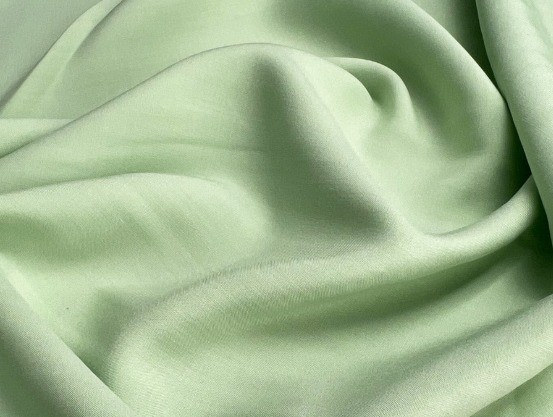
Viscose is usually soft with a smooth, fluid drape.
It tends to fall around the body rather than hold a rigid shape, which works especially well for dresses, robes, wide-leg pants and relaxed clothing.
Knitted viscose has a softer, more casual feel and is often used for pajamas, lounge sets and lightweight tops.
Breathability and Moisture Absorption
Viscose absorbs moisture well and can feel comfortable against the skin.
Lightweight viscose fabrics are commonly used for warm-weather clothing, sleepwear and loungewear because they tend to feel softer and less dry than many synthetic fabrics.
Construction still makes a difference. A light jersey will feel different from a dense knit, even when both are made from viscose.
Dyeing and Print Performance
Viscose takes color well and is widely used for both solid shades and printed designs.
It works particularly well for dresses, pajamas and robes where rich colors or detailed prints are part of the design.
The smooth surface of many viscose fabrics can also help printed patterns look clean and clear.
Wet Strength and Dimensional Stability
Traditional viscose becomes weaker when wet.
Some fabrics can also shrink, stretch or twist after washing, particularly lightweight or knitted constructions. Side-seam torque and changes in garment length are more noticeable in softer styles.
Finishing and fabric construction play a big part in how well the final garment keeps its shape.
Advantages and Disadvantages of Viscose Fabric
Viscose works best when softness, drape and comfort are priorities.
Advantages of Viscose
Viscose feels soft against the skin and moves naturally with the body. It absorbs moisture well and works with a wide range of colors and prints.
It can also be woven or knitted into very different fabrics, which makes it useful across dresses, robes, pajamas, loungewear and many other clothing categories.
Viscose also blends easily with other fibers when more stretch, structure or durability is needed.
Disadvantages of Viscose
Shrinkage and dimensional stability can be more challenging than with some synthetic fabrics.
Traditional viscose can also lose strength when wet and may wrinkle more easily, especially in lighter woven constructions.
These characteristics vary considerably with fabric weight, construction and finishing, so two viscose fabrics can perform very differently in the same garment.
What Is Viscose Fabric Used For?
Viscose is commonly used for dresses, blouses, skirts, pajamas, loungewear, robes and other garments that need softness and fluid drape.
Its end use depends largely on whether the fabric is woven or knitted.
Woven Viscose
Woven viscose is often used for dresses, blouses, skirts, wide-leg pants and robes.
It works particularly well in loose silhouettes because the fabric moves naturally and does not hold a stiff shape.
Depending on the weave and finishing, woven viscose can look casual and matte or smoother and more polished.
Viscose Knits
Knitted viscose is commonly used for pajamas, T-shirts, lounge pants, soft tops and matching sets.
These fabrics are usually chosen for softness and comfort rather than structure.
Fabric weight is especially important here. Very light viscose jersey may feel beautifully soft but can also become sheer or lose shape more easily, while a slightly heavier knit usually provides better coverage and stability.
100% Viscose vs Viscose Blends
100% viscose works well when softness and fluid drape are the main priorities, while blends can add stretch, structure or stability.
A pure viscose fabric often has a soft, flowing hand and works well for relaxed garments. But other fibers can change how the fabric behaves.
Viscose + Elastane adds stretch and recovery. This combination is common in pajamas, lounge sets, soft tops and close-fitting garments.
Viscose + Cotton adds more body while keeping some of viscose's smooth feel and drape.
Viscose + Linen softens linen's naturally dry texture and gives the fabric more movement.
Viscose + Polyester can improve durability, stability and easy-care performance.
The right combination depends on the product. A relaxed robe and a fitted lounge top may both use viscose, but they do not need the same stretch, weight or structure.
Viscose vs Modal vs Lyocell
Viscose, Modal and Lyocell are all regenerated cellulose fibers, but they are made differently and do not perform exactly the same way.
| Fiber | Main Characteristics | Strength & Stability | Common Uses |
|---|---|---|---|
| Viscose | Soft, fluid drape, good color and print performance | Lower wet strength; shrinkage and twisting can be more noticeable | Dresses, robes, pajamas, loungewear, blouses |
| Modal | Very soft and smooth, especially in knitted fabrics | Generally better wet strength and dimensional stability than conventional viscose | Underwear, pajamas, lounge sets, soft tops |
| Lyocell | Smooth hand, clean drape and versatile appearance | Good fiber strength and generally good stability | Dresses, tops, pants, soft knits, premium loungewear |
Viscose is often chosen for softness and flowing drape. Modal is especially popular when a very soft knit needs better shape retention, while Lyocell works well when a smoother, cleaner finish and stronger performance are preferred.
The difference becomes clearer when you compare actual fabrics at the same weight and construction.
Is Viscose Fabric Sustainable?
Viscose can be produced more responsibly, but not all viscose is automatically sustainable.
Its raw material comes from renewable plant-based cellulose, but the environmental impact also depends on where the wood pulp comes from and how the fiber is produced.
Forest management is one part of the picture. Chemical recovery, wastewater treatment and emissions during fiber production matter too.
This means plant-based does not automatically mean low impact.
Responsible wood sourcing, better chemical management and greater supply-chain traceability can all improve the environmental profile of viscose.
What Clothing Brands Should Check When Choosing Viscose
A swatch can show color, hand feel and drape, but a few other details have a much bigger effect once the fabric becomes a garment.
Fabric Construction, Weight and Opacity
Construction and GSM change the way viscose behaves.
A lightweight woven viscose and a heavier viscose jersey can have the same fiber content but very different drape, stretch and coverage. Opacity also matters for light colors, pajamas and pants, where very thin fabrics can become more transparent when worn.
Shrinkage, Torque and Shape Retention
Viscose can change after washing, especially in knitted fabrics.
Comparing the sample before and after laundering makes it easier to spot shrinkage, side-seam twisting or changes in garment shape.
Color, Printing and Finishing
Dark colors and printed fabrics should keep their appearance after washing.
Finishing can also change softness, drape and stability, so the bulk fabric should feel and behave close to the approved sample.
Garment Sample Performance
The finished sample shows things a swatch cannot.
Drape, opacity, seam behavior and after-wash appearance are easier to judge once the fabric is made into the actual style. For pajamas and loungewear, movement and shape recovery are worth looking at too.
Conclusion
Viscose gives clothing brands plenty of room to develop different looks, from relaxed everyday pieces to more refined collections. The best choice is usually the one that fits the product you are trying to create rather than the fiber name you started with.
If you are developing a pajama or loungewear collection and are comparing viscose with Modal, Lyocell or other soft fabrics, KoalaPurr can help you review suitable fabric options and develop the selected material into a finished sample before production.
FAQ
Is Viscose a Natural or Synthetic Fabric?
Viscose is neither a conventional natural fiber nor a fully synthetic fiber. It is a regenerated cellulose fiber made from plant-based cellulose that has been processed and formed into textile fiber.
Is Viscose the Same as Rayon?
No. Rayon is the broader fiber category, while viscose is one type of rayon. The names are closely related, which is why both may appear in textile sourcing and garment labeling.
Does Viscose Shrink?
Yes, viscose can shrink. The amount depends on fabric construction, finishing and washing conditions, with lightweight and knitted fabrics often requiring more attention to dimensional stability.
Does Viscose Wrinkle Easily?
Yes, some viscose fabrics wrinkle relatively easily. Lightweight woven fabrics usually show creasing more clearly than heavier knits or blends.
Is Viscose Breathable?
Yes, viscose is generally breathable and absorbs moisture well. Lightweight fabrics tend to feel especially comfortable in warm weather and clothing worn close to the skin.
Is Viscose Good for Pajamas and Loungewear?
Yes, viscose works well for many pajamas and loungewear styles. Its softness and fluid drape suit relaxed garments, while viscose/elastane blends provide more stretch and recovery when needed.
Is Viscose Sustainable?
Viscose can be produced more responsibly, but it is not automatically sustainable. Wood sourcing, fiber production, chemical management and wastewater treatment all influence its overall environmental impact.