Full-Package vs CMT Pajama Manufacturing: Which Is Right for Your Brand?
When you’re looking for a manufacturer for your clothing brand, you’ll come across different types of production services. Two common options are full-package manufacturing and CMT (Cut, Make and Trim). Both can bring your pajama designs to life, but they differ in how sourcing and production responsibilities are shared between you and the factory.
Quick Answer: Choose full-package pajama manufacturing if you need a manufacturer to coordinate material sourcing and garment production. CMT may suit your brand better if you already have reliable material suppliers and can manage deliveries and production requirements. Your sourcing experience and available time are more useful starting points than brand size alone.
Full-Package vs CMT: A Quick Comparison
| Factor | Full-Package Manufacturing | CMT Manufacturing |
|---|---|---|
| Main fabric | Manufacturer sources and purchases to your approved specifications | You arrange the fabric and its delivery to the factory |
| Trims and labels | Generally sourced within the agreed package | Supplied by you or sourced by the factory by agreement |
| Development | Often available; confirm scope and fees | Patterns, grading and samples need a separate scope check |
| Coordination | Manufacturer coordinates sourcing with production | Your team coordinates material suppliers with the factory |
| Quote | Usually covers materials and garment production | Usually a making charge, plus any agreed extras |
| Material decisions | You approve proposed or nominated materials | You manage material purchasing directly |
This is a starting point for discussion. The quotation should specify the actual division of work, including inspection, decoration, packing and delivery.
What Is Full-Package Pajama Manufacturing?
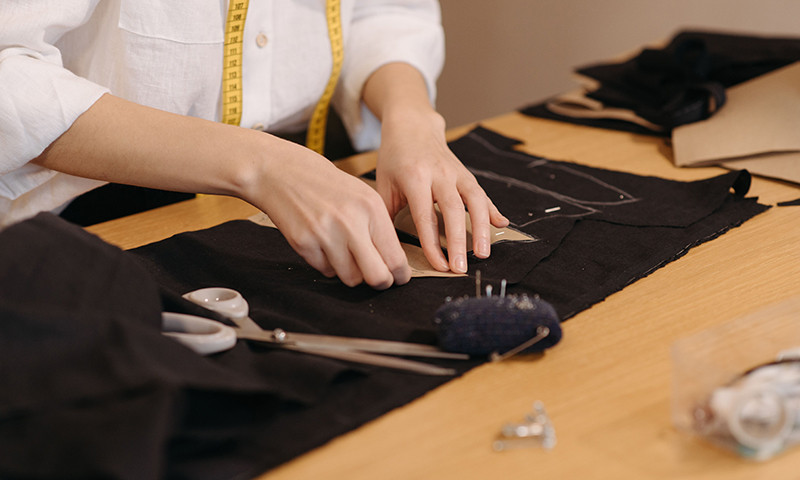
In full-package production, the manufacturer purchases materials to the customer's specifications and supplies the finished garment. For a pajama order, that can bring fabric sourcing, trims and garment production into one coordinated arrangement.
Product development may also be available, including pattern making, sampling and fit revisions. Confirm what is included and what carries a separate charge before starting.
You still shape the product. The manufacturer may propose fabrics and construction options, while you approve the handfeel, fit, colors and final sample. Full-package manufacturing can also use materials from a supplier you nominate; having the factory handle purchasing does not mean giving up your material specifications.
What Is CMT Pajama Manufacturing?
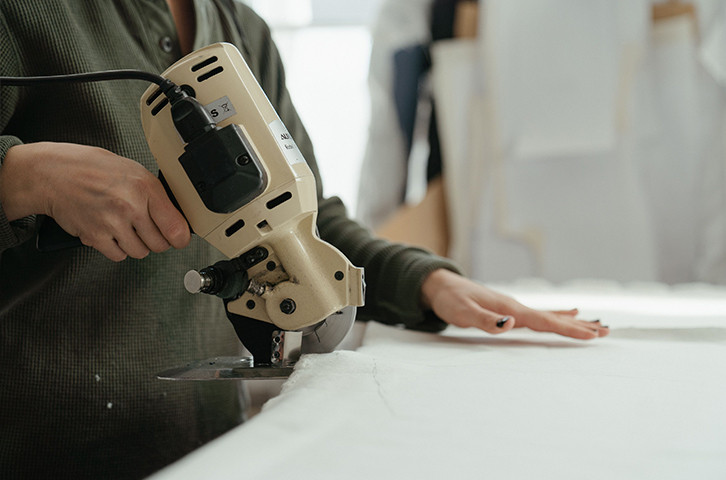
CMT stands for Cut, Make and Trim. The factory makes garments from materials you arrange, following the agreed specifications. This lets you work directly with a fabric supplier while using a separate manufacturing partner for garment production.
The service boundary varies. One factory may require finished patterns and all trims; another may offer pattern development, grading or trim sourcing alongside its CMT service. Ask specifically about buttons, elastic, piping, labels and packaging rather than assuming the word “trim” includes their purchase.
For example, you might supply a printed cotton fabric for a button-front pajama set and ask the factory to source matching piping. That arrangement needs an agreed piping specification and price, even though the main fabric is yours.
Is CMT Cheaper Than Full-Package Manufacturing?
A lower CMT quote does not automatically mean a lower total cost. A making charge and a finished-garment price cover different purchases. Compare the complete order using the same design, material specifications, quantities and finishing requirements.
For a CMT order, account for:
- Materials: fabric, trims, labels and packaging purchased separately.
- Material delivery: transport to the factory and any associated handling charges.
- Consumption and loss allowances: material required for the size breakdown, cutting and agreed production needs.
- Additional services: development, printing, embroidery, testing or packing excluded from the making charge.
- Your team's time: purchasing, following up deliveries and resolving supplier issues.
For the full-package quotation, check the material specifications just as carefully. Two quotes for a “modal pajama set” may use different compositions, fabric weights or trims, making the price comparison misleading.
Then confirm the trade term and delivery scope. Keep freight and any import costs on the same basis for both options. Full-package describes how production is organized; it does not, by itself, promise delivery to your warehouse.
CMT can be economical when your existing sourcing arrangements work well. Full-package can be worthwhile when coordinating separate suppliers would require more time and resources than your team can spare.
When Should You Choose Full-Package Manufacturing?
Full-package is worth considering when material sourcing and production coordination are areas where you need support. This can apply to a first collection or an established brand developing an unfamiliar product.
You Have a Product Direction but Need Development Support
You may know the silhouette, print direction and feel you want without having a fabric supplier or production-ready specifications. A manufacturer with development capabilities can help turn those preferences into material options and samples.
For a printed pajama set, that could mean coordinating the base fabric, print approval and matching details before making the garment. Review the factory's sampling process to understand how those decisions will be approved.
Your Team Has Limited Time for Supplier Coordination
Ask who in your team would follow up a late fabric delivery, arrange replacement buttons or resolve a mismatch between piping and the main fabric. If there is no clear owner for those tasks, a coordinated sourcing and manufacturing arrangement may be easier to manage.
Full-package can also make sense when adding a new category. Experience sourcing cotton jersey does not necessarily give your team the supplier relationships needed for a woven satin collection. You can choose support for that project without changing how you manufacture your existing range.
When Does CMT Make Sense for Your Pajama Brand?
CMT is worth considering when your material supply is already organized and you have the capacity to manage it. A factory's ability to sew the intended fabric and construction remains essential.
You Already Have Materials You Want to Keep Using
Perhaps you buy an exclusive print from a mill, have an approved fabric used across several products or hold suitable fabric inventory. CMT allows you to bring those materials to a garment manufacturer without starting a new fabric search.
Share the material details before committing the order. Owning fabric is only useful if its specifications, usable quantity and condition suit the planned pajamas.
You Can Manage Purchasing and Production Preparation
Direct sourcing works best when someone can track supplier orders, confirm specifications and coordinate delivery dates with the factory. If the fabric arrives short or has an unresolved shade issue, that person needs to arrange a decision or replacement.
An approved repeat style can be a useful starting point for discussing CMT. Even then, confirm whether the pattern, size breakdown, material consumption and trims remain appropriate for the new order. A change of fabric may require another sample.
What Should You Prepare Before Contacting a Manufacturer?
The most useful inquiry explains both the product and what you already have ready. Be clear about which parts you want the factory to handle.
For full-package manufacturing, prepare:
- A tech pack, design references or a physical sample.
- Fabric preferences, including composition and weight if known, or a swatch showing the desired feel.
- Quantities by style and color, plus the intended size range.
- Print artwork, branding and packaging requirements where available.
- Your target schedule and any budget guidance.
For CMT manufacturing, also provide:
- Details of the fabric and trims you will supply, including usable width and available quantities.
- Material locations and expected delivery dates.
- The status of patterns, grading and approved samples.
- A list of anything you need the factory to source or develop.
Before ordering fabric for CMT production, ask the factory to confirm consumption against the style and size breakdown, including the agreed allowance. Avoid calculating the purchase from one sample size alone.
Record the agreed responsibilities for material inspection, shortage handling, unused fabric and garment quality. This gives both sides a practical reference if something needs attention during production.
FAQs
Can I Use My Own Fabric with a Full-Package Manufacturer?
Some manufacturers accept customer-supplied fabric or purchase from a nominated supplier. Explain whether you want to provide the material itself or simply specify its source, then confirm how that changes the quotation and responsibilities.
Does Full-Package Manufacturing Include Design Services?
Not automatically. A manufacturer may develop your existing design into samples, while creating an original collection or print artwork is a separate service. Ask what design input is included before treating it as part of the package.
Can I Use Different Production Models for Different Pajama Collections?
Yes, if your manufacturing partners support those arrangements. You might use CMT for an established fabric program and full-package production for a new collection that needs sourcing support.
Which Model Is Faster for Repeat Pajama Orders?
Neither is automatically faster. Available materials, approved specifications and an open production slot are more useful indicators; compare schedules from the same starting point, including any material procurement time.
Conclusion
A clear agreement with your manufacturer gives your pajama collection a stronger foundation. Before committing to an order, make sure the quotation reflects the work you expect and that both sides understand how the project will move forward. This helps turn your product plans into a working partnership with fewer surprises.
At KoalaPurr, our team supports fabric sourcing, sample development and custom pajama production. Tell us about your project, including any designs, samples or materials you already have, so we can discuss the support you need.