What Is Size Grading in Clothing?
Getting a pajama sample to fit the way you imagined can take a few rounds of changes. Once the shape and proportions feel right, there is another question to answer: how should that design fit the rest of your customers?
That is where size grading in clothing comes in. A relaxed top should still look intentionally relaxed in a larger size, and matching pants need more than extra width at the waist.
What Is Size Grading in Clothing?
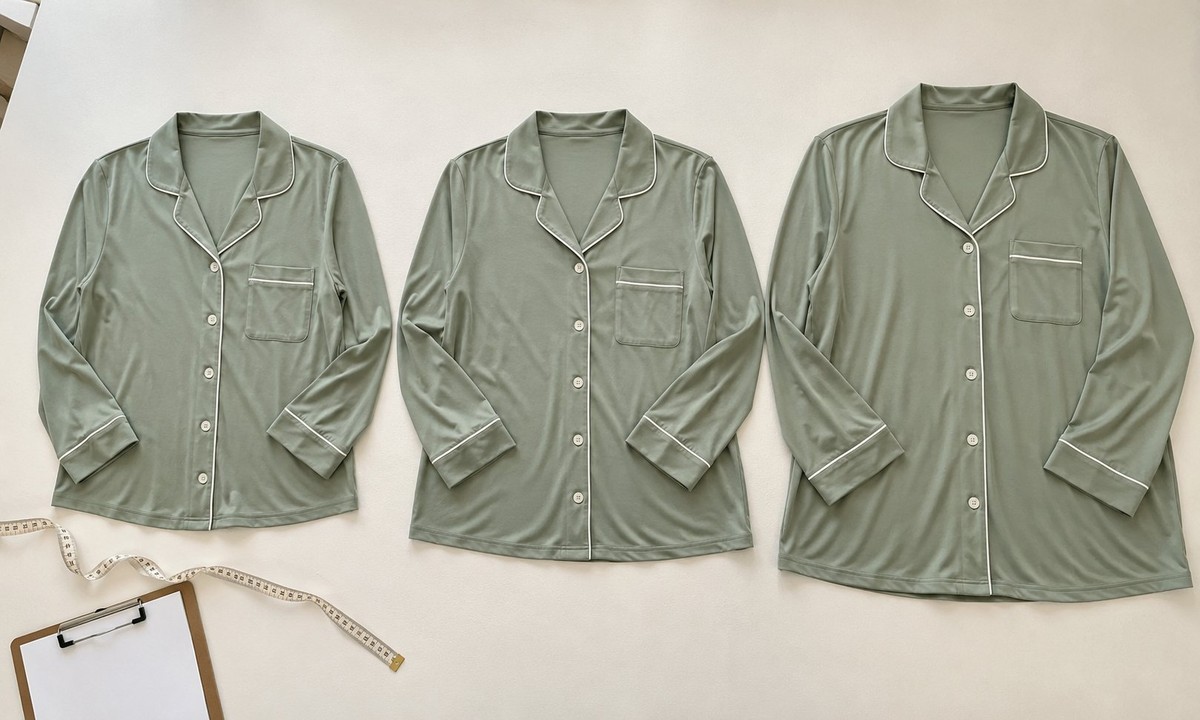
Size grading is the process of developing a clothing pattern into smaller and larger sizes using defined grading rules. The aim is to carry the original design and intended fit across a size range, with appropriate changes to its dimensions.
You will also hear the term pattern grading, which refers specifically to this work on the pattern pieces. A base size is the reference size used to develop the others; for example, an M pattern might be graded down to S and up to L.
Patternmaking establishes the garment's initial shape and construction. Grading develops that pattern into the other sizes a brand plans to sell. The result includes a set of size-specific patterns, supported by measurements that describe the intended garments.
How Do Grade Rules Work?
Grade rules define how dimensions or pattern points change between sizes. Different parts of a garment can change by different amounts, so grading is more precise than enlarging the entire pattern by one percentage.
At the garment-specification level, a brand might describe the changes in chest circumference, body length and sleeve length. At the pattern level, the grader translates those requirements into movements at individual points, working horizontally and vertically.
Here is a simplified example for a pajama top, using M as the base size:
| Finished garment measurement | S | M — base size | L | Change between adjacent sizes |
|---|---|---|---|---|
| Chest circumference | 100 cm | 104 cm | 108 cm | 4 cm |
| Body length, shoulder to hem | 66 cm | 67 cm | 68 cm | 1 cm |
| Sleeve length, shoulder seam to cuff | 56 cm | 56.5 cm | 57 cm | 0.5 cm |
Illustrative example only. These figures are not an industry standard or a KoalaPurr production specification.
The example shows why the measurement method matters. A 4 cm increase in full chest circumference corresponds to a 2 cm increase in flat chest width for this simple, symmetrical top. Confusing the two would produce a very different garment.
This table describes finished-garment targets; it does not tell a grader exactly how to move every point on the front, back and sleeve patterns. Those changes must be coordinated so the pieces still work together. A graded measurement chart supports pattern grading rather than replacing it.
How Are Clothing Patterns Graded?
Clothing patterns are graded by applying agreed size changes to a fitted base pattern, then reviewing the resulting patterns and samples.
1. Confirm the Base-Size Fit
Fit the base-size sample in the intended fabric and confirm its measurements and silhouette. This becomes the reference for the other sizes. The base size is often near the middle of the planned range, but it does not have to be M.
2. Set the Size Range and Grade Rules
Agree on the sizes to be developed, their target measurements and the measurement methods. Specify whether grading values describe changes between adjacent sizes or cumulative changes from the base size.
3. Grade the Pattern Pieces
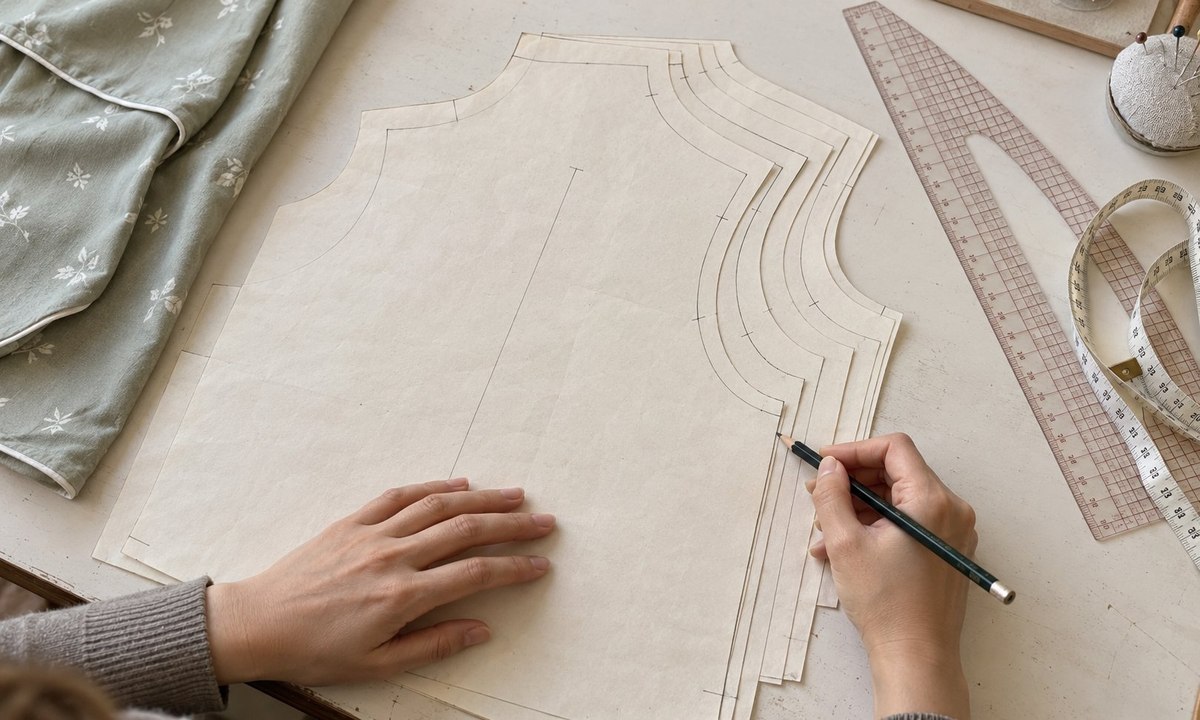
Manual methods include cut-and-spread and pattern shifting, while CAD systems apply grading rules digitally. Both approaches coordinate changes across the pattern pieces rather than simply enlarging the entire outline.
4. Review the Graded Sizes
Check that adjoining seams and the sleeve-to-armhole relationship remain correct across sizes. Size set samples—samples made in agreed sizes—then allow the team to assess the actual fit beyond the original sample.
For a pajama set, review the top and pants separately. The top may fit well through the chest while the pants still need adjustment through the hip or rise.
What Affects Size Grading?
The intended customer, garment design and fabric all influence the grading requirements. Two products labelled S, M and L can need different patterns and measurement changes, even when they belong to the same collection.
Target Customers and Size Range
Grading starts with the body measurements and proportions the range is intended to accommodate. The size labels alone do not provide that information.
Width and length also need separate consideration. A larger size does not necessarily need the same proportional increase in height, and a tall fit serves a different purpose from simply adding another size at the top of the range. For a broad range, the patternmaker may recommend different increments in different size bands or an additional base pattern where the intended proportions change substantially.
Garment Shape and Ease
Ease is the difference between body measurements and garment measurements. It helps create the room needed for movement and the silhouette the design is meant to have.
A relaxed button-front pajama top and a close-fitting camisole can be designed for the same body size while having quite different garment measurements. As the sizes change, the grading needs to retain each style's intended fit. Adding width without considering the shoulder, armhole and length can change the overall look.
Pants introduce other relationships, including waist, hip, rise and leg shape. An elastic waistband provides flexibility at the waist, but it does not establish how much room the wearer has through the seat and thigh.
Fabric Stretch and Dimensional Behaviour
Fabric influences how the garment fits and moves. A stretch jersey and a non-stretch woven fabric may need different starting patterns and ease, even when they are used for similar-looking pajama sets.
Stretch and recovery affect how closely a garment can follow the body. Washing and finishing can also change its dimensions, so the specification should make clear whether measurements apply before or after the agreed treatment.
Shrinkage compensation and grading have different jobs: one accounts for dimensional change during treatment, while the other develops the size range. They need to be coordinated, without treating extra shrinkage allowance as a substitute for a grading rule.
What Should Brands Confirm Before Grading?
Brands and patternmakers should agree on the size range, the reference fit and the measurement requirements before grading is finalised. A useful brief includes:
- The sizes to be developed, including any separate petite, tall or extended-size requirements.
- The base size and approved fit, with the current sample measurements and fit comments.
- Measurement definitions and units, including full circumference versus flat width.
- The intended fabric and silhouette, including any relevant wash or finishing condition.
- The grading requirements and sample review plan, including which sizes will be assessed.
Keep grade increments separate from measurement tolerances. An increment describes the planned difference between sizes; a tolerance describes the acceptable variation around a specified measurement.
A customer-facing body chart may help define who each size is intended to fit. Production also needs the corresponding garment requirements, including ease and measurement methods. Our Pajama Size Chart and Measurement Guide explains the difference between body and garment measurements without turning this grading guide into another set of size tables.
FAQs
Is Size Grading the Same as US/UK/EU Size Conversion?
No. Size conversion relates labels used in different sizing systems, while grading changes the actual pattern dimensions to develop different sizes. Relabelling a garment does not change its fit, and any conversion chart needs to match the brand's own sizing.
Can Grading Fix a Poorly Fitting Base Pattern?
Grading alone does not correct a fit problem in the base pattern. If the original sample has a misplaced shoulder or an unsuitable rise, those features can carry into other sizes. Correct the reference fit first, then review the grading against the updated pattern.
Final Thoughts
Before approving a size range, consider whether customers buying different sizes will recognise the same design and enjoy the intended fit. That is a more useful measure of successful grading than a tidy sequence of numbers on a spreadsheet.
Developing a pajama or loungewear collection? Share your design reference, intended fit and size range with KoalaPurr so we can discuss your sample development needs.