Woven Fabric Explained: How It’s Made and Why It Feels Different
A crisp shirt and a floaty chiffon dress may not seem to have much in common. Look closely at the fabric, though, and you’ll find yarns running across each other in both. That shared construction is what makes them woven fabrics, even if they feel nothing alike.
What Is Woven Fabric?
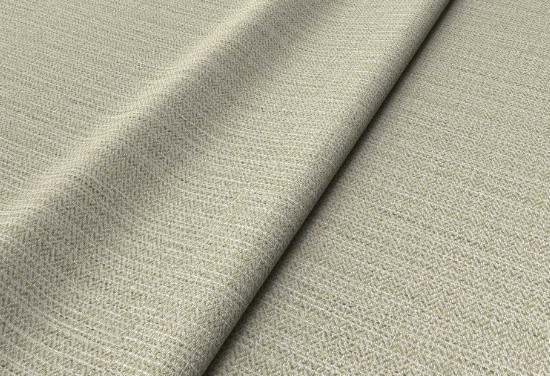
Woven fabric is a textile made by interlacing two sets of yarns at right angles on a loom. The lengthwise yarns are called the warp, while the crosswise yarns are called the weft. The way these yarns cross creates different weave structures, including plain weave, twill and satin.
Woven fabrics can be made from cotton, linen, silk, viscose, polyester and other fibers. They generally hold their shape well and have less stretch than knitted fabrics, although stretch yarns or added elastane can give them more flexibility. Depending on the fiber and weave, they can range from lightweight, flowing fabrics for pajamas and dresses to sturdy materials for jeans and jackets.
How Woven Fabric Is Made
Woven fabric is made on a loom, where lengthwise warp yarns are held under tension while weft yarns pass across them. The loom raises and lowers selected warp yarns to create an opening for the weft. Each new row is then pushed into place to form the fabric.
The order in which the yarns cross determines the weave, such as plain weave, twill or satin. After weaving, the fabric is usually cleaned and may be dyed, printed or finished to achieve the desired color, softness and appearance.
Key Properties of Woven Fabric
Shape and structure
Many woven fabrics keep a clear shape, which makes them familiar choices for shirts, tailored trousers and jackets. Firm fabrics such as cotton canvas help collars, pockets and garment panels hold a defined outline.
Durability
Sturdy woven fabrics such as denim and canvas can stand up well to repeated wear. They are widely used for jeans, workwear and bags that need to withstand frequent use and friction.
Drape and breathability
A light chiffon falls in loose folds, while firmer poplin creates a crisper outline. A more open weave leaves space for air to pass through, which can make clothing feel less stuffy in warm weather.
Limitations of Woven Fabrics
- Less natural give: A firm woven fabric may feel restrictive in a close-fitting style unless the cut allows movement or the fabric has added stretch.
- Fraying at cut edges: Cut edges can loosen and shed yarns, so woven garments usually need a suitable seam finish.
- Wrinkles and snags: Cotton and linen can crease during wear, while satin's exposed yarns can catch on rough surfaces.
Common Types of Woven Fabric
Plain, twill and satin are three basic weave structures. The names below are familiar fabrics you may encounter in clothing.
| Fabric | Typical weave | What you’ll notice | Common uses |
|---|---|---|---|
| Poplin | Plain | Smooth surface with a fine crosswise texture; often crisp | Shirts, dresses, pajama sets |
| Chambray | Plain | Often a softly colored, slightly mottled appearance | Shirts, casual dresses, lightweight trousers |
| Denim | Twill | Visible diagonal texture and more body in familiar jeans weights | Jeans, jackets, skirts |
| Chiffon | Plain | Sheer, light and softly flowing | Dresses, blouses, overlays |
| Satin | Satin | Smooth surface with sheen; drape varies by weight | Dresses, linings, sleepwear, robes |
How Different Fibers Affect Woven Fabric
Fiber content changes how a woven fabric feels and behaves, even when the weave stays the same.
- Cotton: Cotton wovens often have a soft, familiar feel, from crisp poplin to softer washed cotton. They absorb moisture readily and can crease during wear.
- Linen: Lightweight linen wovens often feel airy, with a dry touch and visible yarn texture. They wrinkle readily, while washed finishes can give them a softer, more relaxed drape.
- Silk: Silk wovens are often smooth and light, with a natural luster. They are used in fine blouses, dresses and linings and generally need gentle care.
- Viscose: Viscose wovens often feel soft and fall in loose, flowing folds, making them a common choice for relaxed dresses, blouses and trousers. They can crease easily and may shrink during washing.
- Polyester: Polyester wovens range from soft, silky satin to firmer fabrics with more body. They often resist wrinkles and are generally easy to care for.
How to Identify a Woven Fabric?
Look closely for two sets of yarns crossing each other, one lengthwise and one across the width. On a coarse fabric such as denim, the yarns may be easy to pick out. On a fine, tightly woven fabric, a close-up view helps.
A cut edge may also show individual yarns starting to fray. Stretch is a less reliable clue: a woven fabric can contain elastane or give more along the diagonal.
Woven Fabric vs Knit Fabric
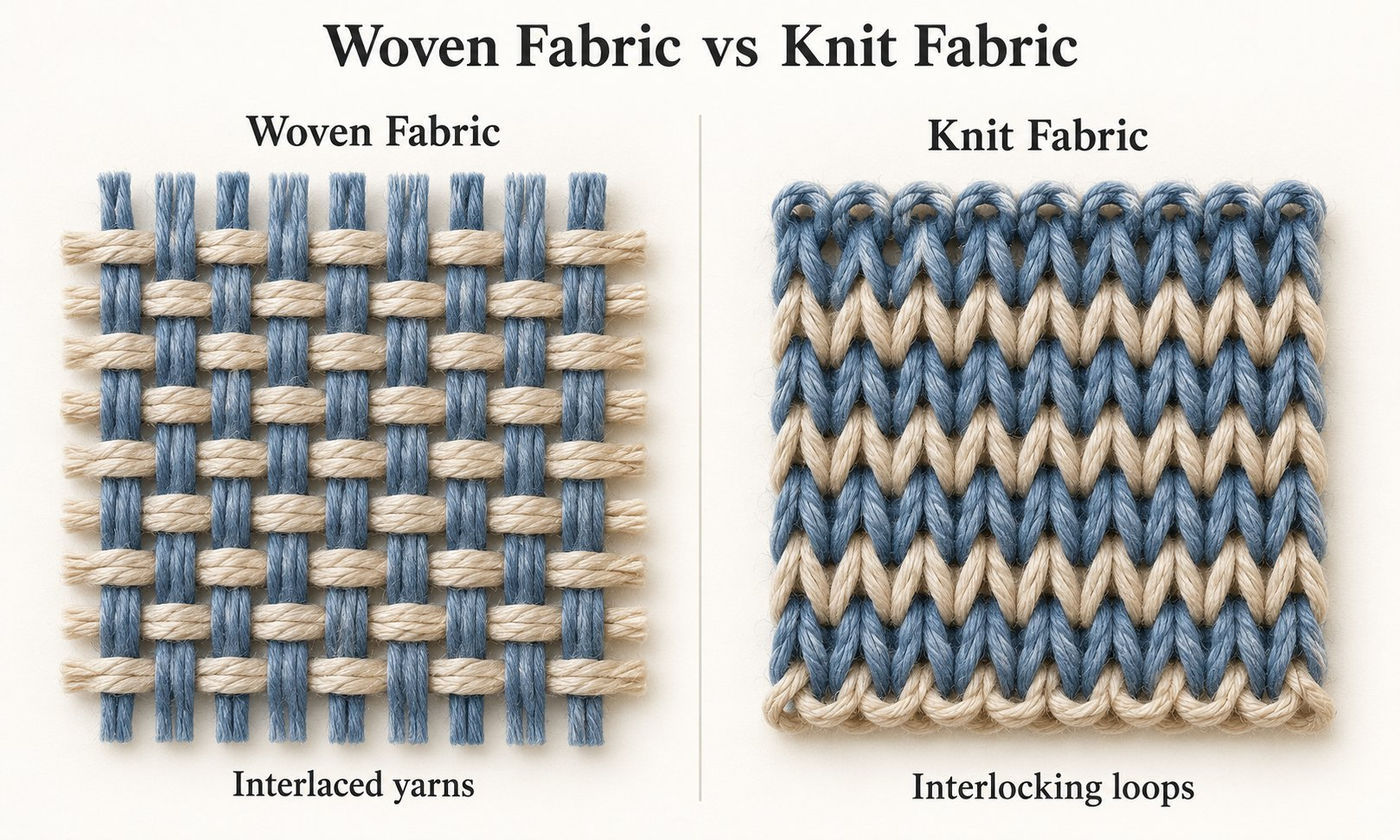
| Feature | Woven fabric | Knit fabric |
|---|---|---|
| Construction | Lengthwise and crosswise yarns interlace | Yarn forms connected loops |
| Typical stretch | Often limited along the yarn directions unless stretch is added | Often stretches more readily as loops move |
| Shape | Often holds a defined outline | Often follows the body more easily |
| Cut edges | May fray as yarns loosen | Some knits curl or unravel, depending on structure |
Where Woven Fabric Is Used
Woven fabrics appear in shirts, trousers, dresses, skirts, jackets and linings. Beyond clothing, they are also used for items such as bed linens, curtains and upholstery.
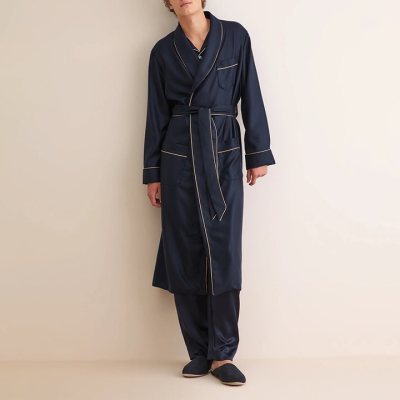
For sleepwear, cotton poplin can give a button-front pajama set a clean, classic look. Lightweight satin works well for a fluid nightdress or dressing robe.
FAQs
Can woven fabric stretch?
Yes. A woven fabric may include elastane or use a construction designed to give more. It can also give along the bias, the diagonal direction across the yarns, though that is different from elastic stretch and recovery.
Is cotton always woven?
No. Cotton is a fiber and can be made into woven fabric or knitted fabric. Cotton poplin is woven, while a typical cotton T-shirt jersey is knit.
Can woven fabric feel soft?
Yes. Washed cotton can have a soft, relaxed feel, and light viscose wovens can fall gently against the body.
Conclusion
For a new design, start with the shape you want the garment to have. Then handle a few suitable swatches and let them hang; you’ll quickly see which ones have the body or movement you’re looking for.
If you’re developing sleepwear or loungewear in a woven fabric, share your reference styles with KoalaPurr. We can help source a suitable fabric and develop samples for your design.