Silk Satin vs. Polyester Satin Pajamas: Which Is Right for Your Brand?
Two satin swatches can look equally good on a design board. The choice gets harder once you put a price on the finished pajama set and decide how customers will wear and wash it. Silk satin is a natural starting point if silk itself is part of the appeal. Polyester satin is worth sampling if the design hinges on a print, a particular sheen, or a target retail price.
Silk Satin vs. Polyester Satin Pajamas at a Glance
| What to compare | Silk satin pajamas | Polyester satin pajamas |
|---|---|---|
| Main fabric | Satin woven from silk yarns | Satin woven from polyester yarns |
| Look and feel | Often smooth and fluid, with a soft sheen | Can range from soft and fluid to crisp and glossy |
| Moisture absorption | Silk absorbs more moisture into the fiber | Conventional polyester absorbs very little moisture into the fiber |
| Wrinkling | Can show creases and may need careful pressing | Generally more resistant to creasing |
| Care | Often needs gentle washing or dry cleaning | Machine-washable options are common |
| Surface wear | Compare snagging and changes in sheen | Compare snagging, pilling and changes in sheen |
| Fabric cost | Typically requires a higher fabric budget | Usually more affordable |
The finished garment’s care requirements also depend on its dyeing, finishing and trims.
What Are Silk Satin and Polyester Satin Pajamas?
Satin describes how a fabric is woven. Silk and polyester describe the fibers used to make it. Both can create a smooth satin face, so two fabrics that look similar in a photo can have different fiber compositions.
What Are Silk Satin Pajamas?
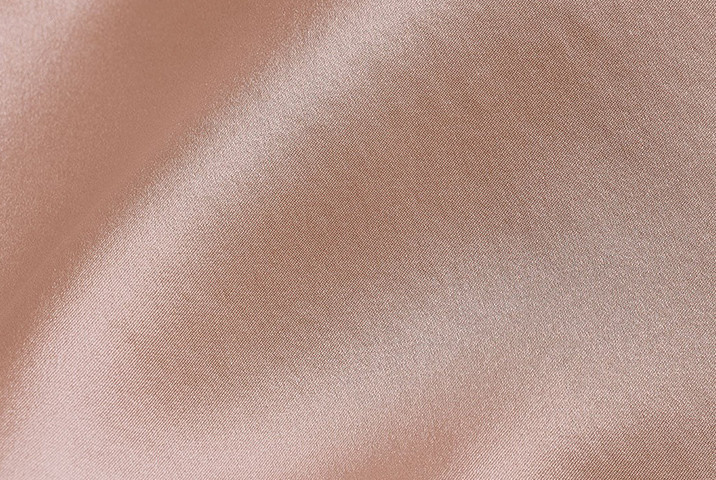
Silk satin pajamas are made with a satin fabric woven from silk. If a fabric contains silk blended with another fiber, the percentage of each tells you more about what you’re buying than the fabric name alone.
The appeal of silk satin is a smooth fabric with a sheen that can shift as the garment moves. It suits understated designs where the fabric carries much of the look. The main trade-offs are a higher fabric budget and, for many sets, a gentler care routine.
What Are Polyester Satin Pajamas?
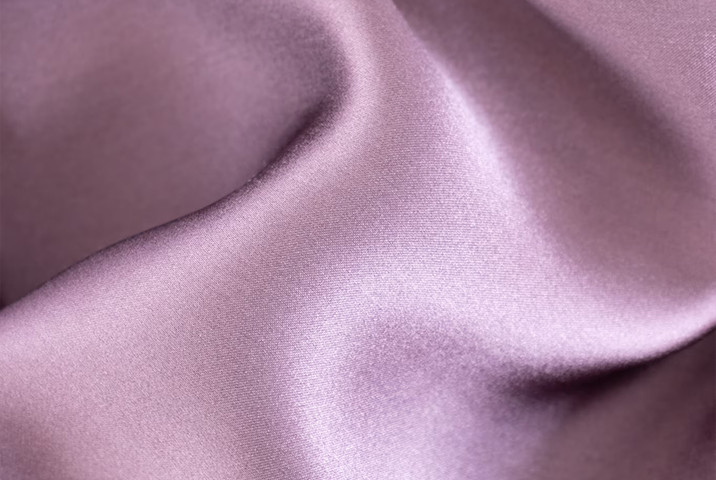
Polyester satin pajamas are made with a satin fabric woven from polyester. Options include lightweight fabrics that move easily and fuller ones that hold more shape.
The appeal of polyester satin is the flexibility it gives you to match a particular look to a price point. It can work for a softly draped solid as well as a glossy printed set. Some fabrics can cling or develop static during wear, so two polyester satins can feel quite different in the same cut.
How Do Shine and Drape Change the Look of the Set?
On a piped collar, the way light moves across the satin can change how strongly the trim stands out. A softer sheen might suit a tonal set where the piping simply traces the collar. A brighter finish can emphasize the shape of the lapel and make contrast piping more prominent. Either fiber can give you different levels of shine, so compare the fabrics in the same light.
On the pants, look at how the fabric falls from the hip. A fluid satin can give a wide leg a softer line as you walk. A satin with more body can hold the shape of a straight leg. If you’re working with ivory or another pale color, check the fabric over the seat in daylight too. The coverage you see on a folded swatch may change when the wearer sits.
How Do They Feel During a Night’s Wear?
Both fabrics can feel smooth when you first put them on. If you get warm during the night, how the fabric handles moisture becomes more noticeable. Silk fibers can absorb more moisture than conventional polyester fibers. Fiber properties
Airflow is a separate question. Fabric density and the cut of the pajamas can affect how easily air moves, while static can make some polyester satins cling to the legs, especially in dry conditions. A loose short set and a closer-fitting long set can feel different even in the same satin. Textile fibers
How Do They Hold Up to Washing and Regular Wear?
Silk satin generally needs gentler care. Depending on the garment, this may mean hand washing or dry cleaning. Silk loses some strength when wet, making careful handling important during washing.
Polyester satin generally resists creasing better, and machine-washable options are common. It is still sensitive to excessive heat during drying and ironing. That can make a difference for customers who expect to wash their pajamas frequently and put them back into regular use with little pressing.
Surface wear can show up before the garment feels worn out. Think about a cuff that brushes against a nightstand or the seat of the pants after repeated wear. A pulled thread can disturb the smooth face of either satin. A sample that looks good after one wash can still show snags, dull patches, or changes in sheen with regular use.
Contrast piping adds another detail to the care comparison. On a two-tone sample, check for color transfer after washing, then look at whether the seams still lie flat and the fabric keeps the finish you liked.
Which Satin Fits Your Pajama Collection?
Choose silk satin when silk is part of what customers are buying. A solid-color signature set with minimal trim gives the material room to stand out. Compare the finished set cost with your planned retail price, and consider whether your customers will be comfortable with the care routine.
Choose polyester satin when the look and price lead the decision. A seasonal print, a bridal-party set, or a style offered in several colors are good examples. If easy care is part of the product brief, shortlist fabrics and trims that can meet it and confirm the finished set’s wash performance.
If the artwork is the main reason to buy the set, compare the same artwork on the two candidate fabrics. Look at fine lines, background shade, and how the print reads across the whole garment. The fabric and printing process can both change the result.
FAQs
What fabric information should I request before sampling?
Ask for the fabric specification showing the fiber percentages and the supplier’s fabric reference. Similar sheen or hand feel can show up in fabrics with very different compositions. Keep that reference with the approved swatch so you can match it to the fabric listed on the production order.
Can I switch from silk satin to polyester satin after approving the fit?
You can use the approved pattern as a starting point. Make another sample in the new fabric so you can see whether the pants still fall as intended and the collar and cuffs keep their shape.
Conclusion
A satin collection gives customers expectations about how the pajamas will look, feel and fit into their daily routine. Carry those details consistently from the approved sample to the product description and care label, so customers know what they are buying and how to look after it.
If you’re developing custom satin pajamas, send KoalaPurr your reference style and tell us how you want it to feel. We can help you narrow down fabric options for sampling.