What Is Flannel Fabric? Types, Properties, and Uses
Flannel is one of those fabrics you often recognize by touch before you think about its name. Run your hand over a soft pair of winter pajama pants or a brushed shirt, and you can feel the gentle fuzz that makes it so inviting. That familiar texture appears in several kinds of cloth, from cotton sleepwear to wool tailoring.
What Is Flannel Fabric?
Flannel is a soft fabric, usually woven, with a slightly fuzzy surface. It can be made from cotton, wool, synthetic fibers or blends. Plain and twill weaves are common, with finishing processes helping create its characteristic feel.
In cotton flannel, napping raises fibers from the yarns to form a soft surface. The fabric may be brushed on one side or both. Wool flannel can also gain its fuller surface through milling, a controlled finishing process that consolidates the wool fabric.
The checks often associated with flannel are a separate feature. Plaid describes the pattern; flannel describes the cloth. A solid-colored pajama set can be flannel, and a plaid shirt can be made from a smooth, unbrushed fabric.
What Are the Main Types of Flannel?
Fiber composition is a useful way to separate the main types. It helps explain why a fabric intended for soft sleepwear feels different from one used in a tailored winter jacket.
Cotton Flannel
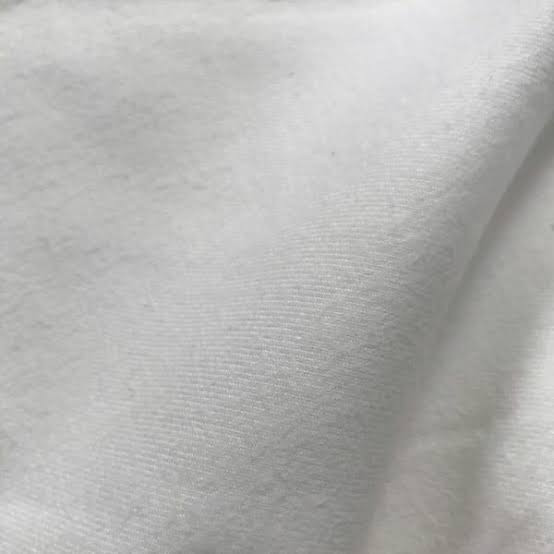
Cotton flannel is a familiar choice for pajamas, casual shirts and bedding. Its brushed surface softens the feel of the woven cloth, while cotton's absorbency contributes to comfort against the skin.
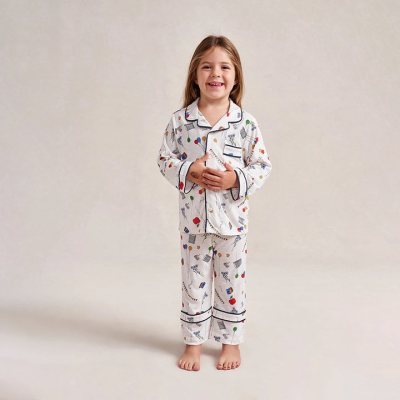
It comes in more than the classic red-and-black check. Solid colors, stripes and printed motifs also work well, giving it a place in understated sleepwear collections as well as festive ranges. A lighter cotton flannel can feel flexible and easy to wear, while a heavier version has more body.
Wool Flannel
Wool flannel is closely associated with tailoring: trousers, suits, skirts and jackets with a soft, matte appearance. It can be made with woollen or worsted yarns, producing variations in surface texture and definition.
This is a different starting point from the cotton flannel commonly used for pajamas. The cloth's body and drape help shape a tailored garment, and its care requirements need to suit the particular wool fabric. A blanket instruction to machine wash every type of flannel would be misleading.
Synthetic Flannel
The name flannel is also used for synthetic fabrics, including polyester versions. These can offer a soft surface with different moisture absorption and drying behavior from cotton or wool.
There is some variation in how suppliers use the name, particularly for plush polyester fabrics. For a clear specification, identify whether the material is woven or knitted and describe its surface finish. That separates a woven synthetic flannel from a fleece-like knit sold under a similar label.
Blended Flannel
Blended flannel combines fibers to adjust the fabric's overall behavior. Cotton-polyester blends, for example, bring together cotton's absorbency and polyester's lower moisture absorption. Wool blends offer another route to changing the feel, resilience or care needs of a tailored cloth.
The blend ratio matters, so two fabrics described as cotton-polyester flannel may feel quite different. A blend is an option for balancing requirements, rather than a separate quality grade.
What Are the Key Properties of Flannel Fabric?
Flannel's appeal starts with its surface, but there is more to its performance than softness. These are the main characteristics you will notice when wearing it or choosing it for a product.
Softness and surface texture
The raised fibers create a cushioned feel that is different from smooth poplin or crisp shirting. A light brushing produces a subtle fuzz; a fuller finish feels more plush. The amount and evenness of the nap influence how the surface looks as well as how it feels.
Warmth
The nap holds pockets of still air close to the fabric, helping slow heat loss. That is why a brushed cloth can feel warmer than a comparable smooth cloth. Flannel offers a way to add warmth without giving every garment the bulk of a thick blanket.
Breathability and moisture handling
Cotton absorbs moisture, while wool can absorb and release moisture vapor. Polyester takes up much less moisture within the fiber. Airflow through the finished cloth also depends on its construction and finish, so moisture absorption and breathability should not be treated as the same property.
Weight and drape
A lightweight flannel shirt falls differently from a dense wool flannel jacket. As the fabric becomes heavier or more substantial, it can add body to a garment and change how collars, cuffs and hems sit. For sleepwear, extra thickness also needs to leave the wearer comfortable when sitting, turning or stretching.
Shrinkage and pilling
Cotton flannel can change dimensions during washing and drying, while unsuitable care can cause wool to felt. Surface friction can also tangle loose fibers into pills. Pilling resistance is influenced by the fibers, yarns, construction and finishing, so it is something to assess in the actual fabric rather than predict from softness alone.
The main trade-off is that the attractive raised surface also needs to hold up through use. Gentle first-touch softness is appealing, but retained appearance and fit after laundering are just as relevant to a garment that will be worn repeatedly.
What Is Flannel Fabric Used For?
Flannel appears in both clothing and home textiles. The version chosen usually reflects how the product needs to feel, move and be cared for.
Pajamas and lounge pants
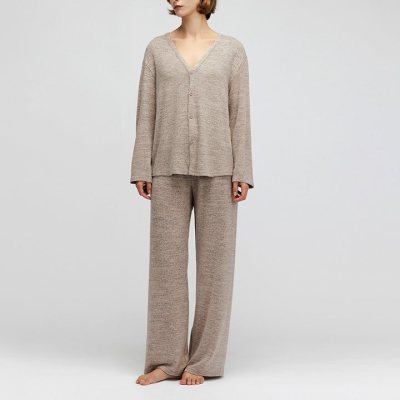
Cotton flannel works well in long-sleeve pajama sets, nightshirts and relaxed lounge pants for cooler weather. It gives these familiar shapes a softer surface than a smooth woven cotton, with enough structure for collars, chest pockets and contrast piping.
For a cotton pajama collection, the silhouette can range from a classic button-front set to simple drawstring pants. A typical woven flannel has less stretch than jersey, so ease comes mainly from the cut and fit.
Robes
A flannel robe can provide a comfortable layer over sleepwear without feeling like a heavily padded garment. Fabric weight changes the result: a lighter version folds easily at the belt, while a more substantial cloth gives the collar and front panels a fuller appearance.
Shirts
Flannel shirts bring texture to casual clothing, whether the design uses checks, stripes or a plain color. Lighter shirting versions work as regular shirts; heavier fabrics can support an overshirt worn over another layer.
Tailored clothing
Wool flannel has a longstanding role in suits, trousers, skirts and jackets. Its softened surface gives tailoring a less crisp appearance than a smooth worsted cloth, while the fabric can still provide the body and drape needed for a shaped garment.
Bedding and blankets
Flannel sheets, pillowcases and blankets use the fabric over a much larger surface area. A raised finish makes bedding feel inviting on a cool night. For these frequently washed products, surface durability and dimensional stability become particularly noticeable over time.
Frequently Asked Questions
How is flannel different from fleece?
Traditional apparel flannel is usually woven, while common synthetic fleece is knitted and finished to create a raised pile. Their stretch, thickness and feel can therefore differ even when both are soft and warm. Check the construction as well as the product name when comparing swatches.
What flannel weight works well for pajamas?
For a lighter woven cotton pajama set, 150–180 gsm is one starting range to explore, as shown in KoalaPurr's cotton fabric options. A colder-weather range may call for a more substantial fabric, but the final choice should balance warmth, drape and freedom of movement. Compare samples in the intended style before settling on a weight.
Can flannel pajamas have custom prints?
Yes. Printed flannel carries a design applied to the fabric, while yarn-dyed patterns are formed using colored yarns during weaving. Fine artwork can look softer on a raised surface, so a print sample on the chosen flannel helps you judge the result before approving it.
Conclusion
The flannel that works for a pajama set may feel very different from the cloth chosen for a suit or a blanket. Begin with the product you want to create, then look for the combination of surface feel, weight and wash performance that will make it comfortable to use over time.
Developing flannel sleepwear or loungewear? Share your reference style, target season and fabric preferences with KoalaPurr. Our team can help you explore suitable fabric options and develop samples for your collection.