Cotton Poplin vs Cotton Jersey: Which Is Better for Pajamas?
Two pairs of pajamas can both be labeled 100% cotton and still feel quite different. One has a smooth, structured surface, while the other has a softer, more flexible feel. The reason often comes down to how the fabric is constructed: cotton poplin is woven, while cotton jersey is knitted.
Both fabrics are widely used in sleepwear, but they create different results in the finished garment. Understanding their differences can help you choose the right fabric for your preferred pajama style.
Cotton Poplin vs Cotton Jersey: Key Differences at a Glance
Both fabrics can be made entirely from cotton, but their different constructions create noticeably different wearing experiences.
| Feature | Cotton Poplin | Cotton Jersey |
|---|---|---|
| Fabric construction | Woven, usually plain weave | Knitted, commonly single jersey |
| Texture | Smooth and crisp | Soft and flexible |
| Natural stretch | Limited | Natural stretch from its knit loops |
| Drape | Holds a more defined shape | Falls more softly around the body |
| Breathability | Depends on weight and construction | Depends on weight and construction |
| Wrinkling | Creases are often more visible | Usually has a more relaxed appearance |
| After washing | Can shrink and show visible creases | Can change in length or width; some single jerseys may twist |
| Common pajama styles | Button-front sets, collared shirts, woven shorts | T-shirt sets, sleep shirts, relaxed pants |
| Best suited to | A polished, classic pajama look | Casual, flexible everyday sleepwear |
Use the table as a quick guide. The sections below look at each difference in more detail, without treating every feature as a separate measure of overall comfort.
What Is Cotton Poplin?
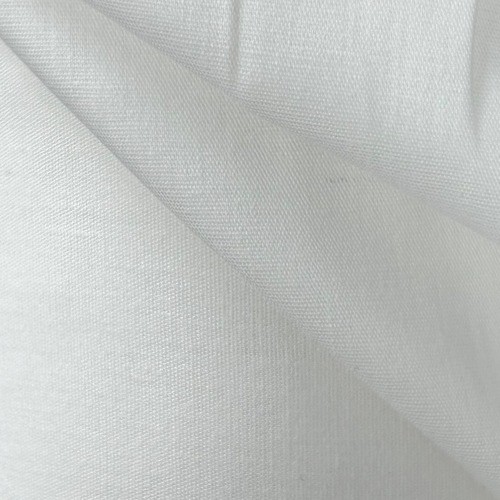
Cotton poplin is a woven fabric, typically made with a plain weave. Its yarns cross over and under one another to create a smooth, closely constructed surface. The fabric is commonly used in shirts and other garments that benefit from a clean, defined appearance.
Poplin is not a single fixed weight or finish. Lightweight versions feel different from heavier ones, and washing or finishing can change the surface. For that reason, the name alone does not tell you exactly how a particular pajama set will feel.
For a closer look at how yarn construction affects clothing, our guide to woven fabric explains the basic differences between woven and knitted materials.
What Is Cotton Jersey?
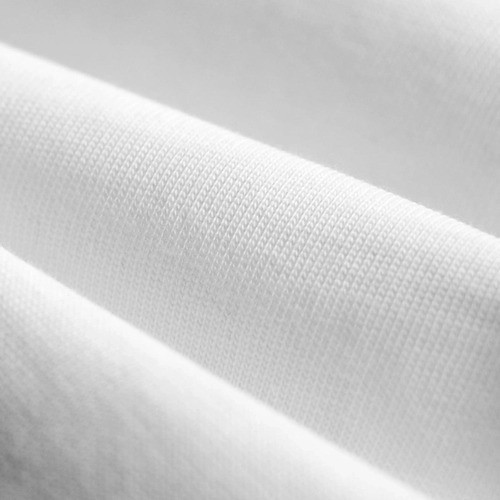
Cotton jersey is a knitted fabric made from connected loops of yarn. Unlike the interlaced structure of a woven fabric, these loops can change shape when the material is pulled. This gives jersey natural flexibility, even when it is made from 100% cotton.
Some jersey fabrics also contain elastane or other fibers. Added elastane can improve stretch recovery, but the result depends on the blend and fabric construction. A lightweight jersey and a heavier jersey can also behave quite differently.
Which Fabric Feels Better to Sleep In?
Comfort is personal, so it helps to separate the feel of a fabric from the way a garment moves and handles warmth.
Softness and Feel Against the Skin
Cotton jersey often has a soft, relaxed hand that feels familiar to anyone who likes wearing cotton T-shirts. Poplin usually has a smoother, crisper surface. Some people enjoy that clean, shirt-like feel, while others prefer the softer touch of a knit.
These are common tendencies, not guarantees. Yarn quality, fabric weight, dyeing, finishing, and washing can all affect the final hand feel. If softness is a priority, comparing finished fabric samples is more useful than relying on the fabric name alone.
How Each Fabric Moves
Jersey's knitted loops allow it to stretch as the body moves. This can be helpful when bending, reaching, or changing sleeping positions, particularly in garments with a closer fit.
Poplin has limited natural stretch, so its pattern needs to provide enough ease. Room through the shoulders, hips, and thighs helps a woven pajama set move comfortably without relying on the fabric to stretch.
For jersey, stretch and recovery are two different considerations. Stretch describes how far the fabric gives; recovery describes how well it returns toward its original shape. A fabric may stretch easily but still recover poorly after repeated wear.
Breathability and Warm-Weather Comfort
Neither cotton poplin nor cotton jersey is automatically cooler. Fabric weight, density, yarn characteristics, finishing, and garment fit all influence how warm a pajama set feels.
A lightweight poplin may suit someone who prefers a crisp woven fabric, while a lightweight jersey may appeal to someone who wants a softer knit. A dense or heavier version of either fabric can feel warmer. For summer sleepwear, compare the actual fabric weight and construction rather than choosing by name alone.
Which Pajama Styles Work Best with Poplin or Jersey?
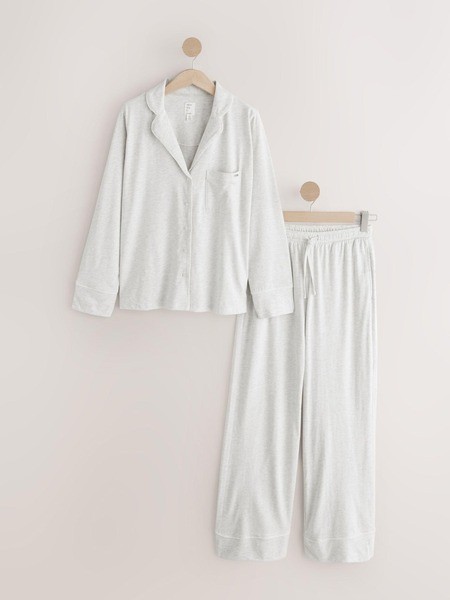
The fabric should support the shape and details of the design. A material that works well for a tailored button-front set may not be the best match for a pullover style.
Classic Button-Front Pajama Sets
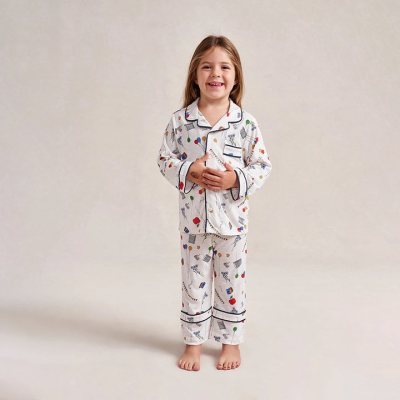
Cotton poplin is often used for traditional two-piece pajamas with a shirt collar, front buttons, and matching pants. Its woven structure helps collars, cuffs, chest pockets, and piping keep a defined outline.
It also works well with familiar sleepwear patterns such as stripes, checks, and small floral prints. A relaxed cut can give the set room for sleeping while preserving its shirt-inspired appearance.
Jersey can also be used for button-front pajamas, but it usually creates a softer, more casual silhouette. Collars and plackets may need additional support to maintain their appearance.
T-Shirt Pajamas and Relaxed Sleep Sets
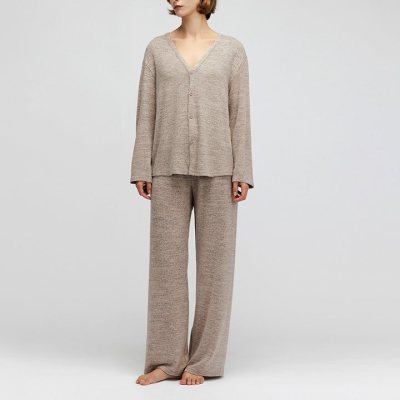
Cotton jersey is a natural option for crew-neck tops, pull-on shorts, elastic-waist pants, and other relaxed sleepwear. Its flexibility suits designs that do not need a sharply defined shape.
For closer-fitting styles, consider how well the fabric recovers after stretching. Necklines, knees, and seat areas may show changes in shape if the jersey has limited recovery or has not been properly stabilized.
Nightshirts and Nightgowns
A poplin nightshirt can take the shape of an oversized button-up, with details such as a chest pocket, curved hem, or button-front opening. For an example, see this woven cotton nightshirt.
Jersey is well suited to pullover nightshirts and nightgowns with crew necks, dropped shoulders, or relaxed sleeves. Its knit construction allows these styles to follow movement without needing a button-front opening.
How Do Cotton Poplin and Jersey Hold Up After Washing?
Pajamas are washed regularly, so dimensional changes and surface wear are worth considering alongside the fabric's initial feel.
Shrinkage and Side Seam Twist
Both cotton poplin and cotton jersey can shrink after washing. The amount depends on factors such as the yarn, fabric construction, processing, finishing, and care conditions.
Single jersey garments can also develop side seam twist. The seam may shift toward the front or back after laundering, changing how the top or trouser leg hangs. This is related to the fabric's construction and processing, and it does not happen to every jersey garment.
For a sample comparison, record garment measurements before washing, then measure them again after the same wash and drying process. Useful points include body length, chest width, sleeve length, and inseam. Lay the garment flat to check whether the side seams have shifted.
For more background, CottonWorks explains fabric changes in its guide to shrinkage and skewing.
Wrinkles and Surface Appearance
Poplin tends to show sharper creases, particularly around the elbows, waist, and other areas where the fabric folds. Jersey usually has a more relaxed appearance, although repeated friction can cause some knits to develop surface fuzz or pilling.
Pilling may be more noticeable in areas that rub against each other, such as the inner thighs of pajama pants. The likelihood depends on yarn quality, fabric construction, finishing, and laundering—not simply whether the fabric is woven or knitted.
Follow the garment's care label, avoid unnecessarily high drying temperatures, and use care appropriate to the fabric and finish.
How to Choose the Right Cotton Fabric for Your Pajamas
If you prefer a classic button-front set with a defined collar and crisp appearance, poplin is a sensible starting point. If you want a relaxed T-shirt set or a pullover style with more natural give, jersey may be a better match.
For sleepwear brands, start with the design requirements: the silhouette, fit, neckline, details, print, and expected use. Then compare fabric samples for weight, opacity, hand feel, stretch, and recovery. A composition label such as “100% cotton” does not describe all of these characteristics.
When comparing pajama fabric options, consider the finished garment as well as the fabric itself.
Frequently Asked Questions
Is cotton poplin too stiff for pajamas?
Not necessarily. Poplin can feel crisp, but lightweight or softened versions may feel more relaxed. The fabric weight, finish, and garment fit all affect how comfortable it is to wear.
Can 100% cotton jersey pajamas stretch without spandex?
Yes. The knitted loop construction gives cotton jersey natural stretch, even without spandex. However, stretch and recovery are different: a jersey can stretch comfortably without returning fully to its original shape.
Is cotton poplin or jersey better for printed pajamas?
Both can be used for printed pajamas. Poplin is often chosen for woven button-front sets, while jersey is common in printed T-shirt styles and relaxed sleepwear. The print process should suit the fabric, and for jersey, the printed area should remain comfortable when the material is stretched.
Can You Use the Same Pajama Pattern for Both Fabrics?
Not always. A pattern designed for jersey may rely on the fabric's stretch, while a poplin version may need more wearing ease or a different neckline opening. The pattern should be adjusted to the fabric's stretch, recovery, and structure.
Conclusion: Which Cotton Fabric Should You Choose?
Cotton poplin and cotton jersey are both useful options for pajamas, but they suit different designs. Poplin works well when a style calls for a defined woven shape; jersey is a practical choice for relaxed designs that benefit from knit flexibility.
The better option depends on the garment you want to make and the way it should look, fit, and feel after repeated wear and washing.
If you're developing a sleepwear collection, KoalaPurr can help you compare fabric options, develop samples, and create custom cotton pajamas that fit your brand's design requirements.