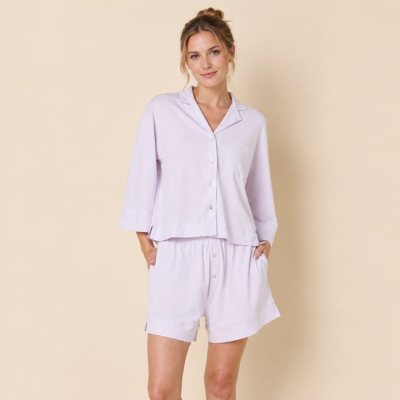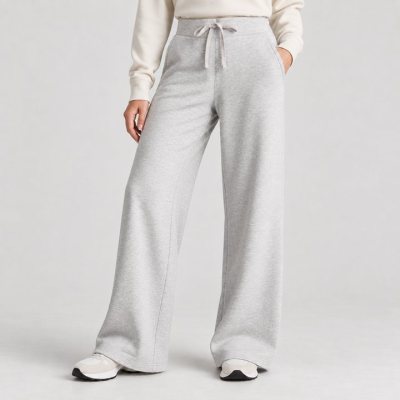
What Is Lyocell Fabric? Properties, Uses, Pros and Cons
Lyocell is becoming a common choice for sleepwear and loungewear, especially when a collection needs something soft, smooth and easy to wear without looking too casual.
But the word “lyocell” can cover quite a few different fabrics. A lightweight jersey can feel very fluid, while a lyocell-cotton blend may have more body, and a woven version can look much cleaner and more structured.
So if you are choosing lyocell for a pajama or lounge collection, it helps to look beyond the fiber name and pay attention to the weight, construction and blend.
Here is a practical guide to what lyocell fabric is, how it feels, where it works well, and what is worth checking before you move into sampling.
What Is Lyocell Fabric?
Lyocell is a regenerated cellulose fiber made from wood-derived cellulose.
It belongs to the same broader family as viscose and modal, but it is produced through a different process and usually has a cleaner, stronger feel than standard viscose.
You may also see TENCEL™ Lyocell on fabric labels. TENCEL™ is a branded lyocell fiber made by Lenzing, while lyocell is the general fiber name.
For product development, the fiber name is only the starting point. The finished fabric still depends on how the yarn is spun, whether the fabric is knitted or woven, its GSM, blend and finishing.
How Is Lyocell Fabric Made?
Lyocell starts with wood pulp. The cellulose is dissolved, spun into fiber, washed and then made into yarn before being knitted or woven into fabric.
That sounds technical, but from a garment-development point of view, the important part comes later.
A lightweight lyocell jersey, a woven lyocell twill and a lyocell-cotton blend may all behave very differently in cutting, sewing and wear. So when selecting fabric for a collection, it is more useful to compare the actual material than to focus too much on the production process itself.
What Does Lyocell Fabric Feel Like?
Lyocell is usually smooth, soft and slightly cleaner in appearance than very fluid viscose fabrics.
- Smooth hand feel: It often feels soft without being overly fuzzy or brushed.
- Clean drape: Lyocell usually falls nicely around the body, but it can still look more controlled than very fluid viscose.
- Good moisture absorbency: This makes it comfortable for garments worn close to the skin.
- Good wet strength: It generally holds up better when wet than standard viscose.
- Low natural stretch: Lyocell itself is not very elastic. Stretch usually comes from the knit structure or added elastane.
- Different constructions feel very different: A fine jersey may feel light and fluid, while a heavier woven or rib can feel much more stable.
For sleepwear and loungewear, that balance between softness and a cleaner drape is often what makes lyocell interesting.
Pros and Cons of Lyocell Fabric
Lyocell has a lot going for it, but like any fabric, it works better for some products than others.
Pros
- Smooth and comfortable against the skin
- Clean, fluid drape
- Good moisture absorbency
- Better wet strength than standard viscose
- Works well in both knit and woven fabrics
- Blends well with cotton, modal, wool and elastane
Cons
- Usually costs more than basic viscose
- Lightweight fabrics can still pill or show surface wear
- Some qualities can develop fibrillation
- Very fluid fabrics can be more difficult to control during cutting and sewing
- Quality can vary quite a lot between suppliers
The main thing to watch is not whether lyocell feels good on the swatch. Most good lyocell fabrics do. The more useful question is how the fabric looks and behaves after washing and wearing.
What Is Lyocell Fabric Used For?
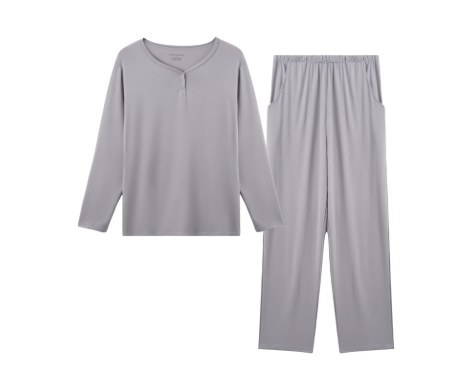
Lyocell works well in clothing where softness and drape matter, but the garment still needs to look clean rather than overly relaxed.
Common uses include:
- Pajamas and sleepwear
- Loungewear
- Tops and T-shirts
- Dresses
- Relaxed pants
- Underwear
- Shirts
- Lightweight robes
For sleepwear and loungewear, it is often used in relaxed pants, soft tops and matching sets.
It can be especially useful when a brand wants something softer than a crisp woven fabric, but a little more polished than a very casual jersey.
Lyocell Blends: What Changes?
Lyocell + Elastane
This adds stretch and recovery, which is useful for fitted tops, knit pajamas and lounge pants.
Lyocell + Cotton
Cotton can add more body and a familiar hand feel, while lyocell keeps the fabric smooth and soft.
Lyocell + Modal
This combination can create a very soft, fluid fabric, especially in knit constructions.
Lyocell + Wool
This is more common in cooler-weather knitwear and lounge styles where you want warmth without a rough hand.
The right blend depends on the product. A fitted lounge top, a soft pajama set and a relaxed woven pant will not need the same balance of stretch, body and drape.
Lyocell vs Modal vs Viscose vs Cotton
| Fiber | General Feel | Drape | Typical Character |
|---|---|---|---|
| Lyocell | Smooth, clean | Fluid but controlled | Refined and soft |
| Modal | Very soft, smooth | Fluid | Relaxed and comfortable |
| Viscose | Soft | Very fluid | Lightweight and flowing |
| Cotton | Varies widely | Depends on construction | From crisp to soft |
This is only a general guide.
The differences are useful as a starting point, but the best choice still depends on the kind of garment you are developing and the final look you want.
How to Choose Lyocell Fabric for Clothing
When we look at lyocell for a new style, we usually start with the garment.
A fabric may look good on a hanger but behave differently once it is cut, sewn and washed.
- Fabric weight: Is it light enough for the style, but still stable?
- Construction: Jersey, rib and woven fabrics will all behave differently.
- Shrinkage: Check after washing, not just before.
- Pilling and surface wear: Especially important for soft knits.
- Drape: Does the fabric fall the way you want in the actual garment?
- Stretch and recovery: Important for fitted styles and waistbands.
- Colorfastness: Especially for darker or saturated colors.
- Hand feel after wash: Some finishes change after the first few washes.
For pajamas and loungewear, we pay particular attention to drape, shrinkage and surface stability.
A fabric swatch is useful, but the sample garment is where you really see whether the material works.
What Is Fibrillation in Lyocell?
Fibrillation is a surface effect that can appear when very fine parts of the fiber separate during wet processing or abrasion.
Depending on the fabric, this can create a slightly frosted, peachy or worn appearance.
Sometimes that look is intentional. In other cases, especially when the collection needs a very clean surface, it can be a problem.
That is why it is worth checking the fabric after washing rather than approving it only from the original swatch.
How to Care for Lyocell Fabric
Lyocell care depends on the fabric construction and blend.
Gentle washing and avoiding excessive heat are usually good starting points, especially for lightweight knits.
For production, care instructions are best confirmed after testing the actual fabric and garment. A lyocell-elastane jersey may not need the same care as a woven lyocell-cotton fabric.
Is Lyocell Fabric Sustainable?
Lyocell is often discussed as a lower-impact regenerated cellulose fiber, mainly because of the solvent recovery systems used by some producers.
But the word lyocell alone does not tell you everything.
Wood sourcing, forest management, chemical recovery, energy use, dyeing and finishing all matter. If sustainability is important to the collection, it is better to check the actual fiber producer, supplier documentation and relevant certifications.
The fiber name can be a useful starting point, but it should not be the whole sustainability claim.
Final Thoughts
Lyocell is a good option when you want softness and drape without making the garment feel overly casual.
For sleepwear and loungewear, we usually pay most attention to how the fabric falls on the body, how the surface looks after washing, and whether the finished garment keeps the shape we want.
If you are developing lyocell pajamas or loungewear, KoalaPurr can support you with fabric selection, sampling and custom production from product development through bulk manufacturing.
FAQ
Is lyocell the same as TENCEL™?
No. Lyocell is the generic fiber name, while TENCEL™ Lyocell is a branded lyocell fiber made by Lenzing.
Is lyocell better than modal?
Not always. Modal usually gives a softer, more relaxed feel, while lyocell often has a cleaner surface and slightly more controlled drape. The better choice depends on the product.
Does lyocell shrink?
It can. Shrinkage depends on the fabric construction, finishing, blend and washing conditions, so wash testing is still important before bulk production.
Is lyocell stretchy?
Lyocell itself is not highly elastic. Most stretchy lyocell garments get their stretch from the knit structure or from added elastane.