Why Does a Clothing Sample Cost More Than the Bulk Unit Price?
A clothing sample can feel expensive when you put its price next to the bulk unit price. You may only want one pajama set to check the fabric and fit, so why does it cost so much more than a set from the finished order?
The difference starts with the work behind that first garment. A sample fee may cover pattern development, material preparation and individual sample making. A bulk unit price is calculated for producing an agreed quantity, with the design and specifications already established. Some preparation costs can be shared across the order, and repeated production can be more efficient.
That explains why a difference is common. To judge the quote itself, though, you need to know what each price includes.
What Are You Paying for in a Clothing Sample?
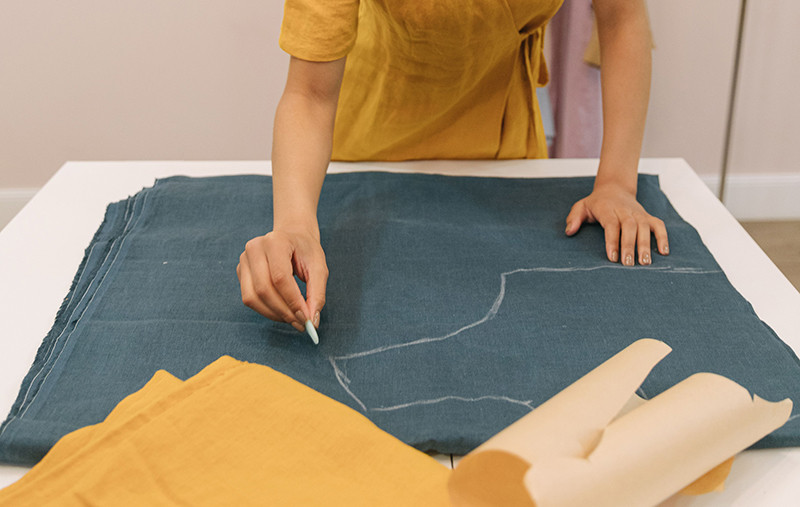
A clothing sample fee usually covers:
- Fabric and trims: Purchasing the materials needed for your sample.
- Pattern making: Creating the pattern for your design and measurements.
- Custom printing or embroidery: Adding the artwork specified for the sample, where required.
- Sample sewing: Cutting and sewing the garment for you to review.
Custom labels and packaging are usually produced at the bulk stage.
Revisions are generally charged separately, so it helps to discuss the design, measurements, fabric and customization details thoroughly with your manufacturer before sample production begins. Clear agreement at this stage reduces misunderstandings and helps avoid unnecessary changes later.
What Does the Bulk Unit Price Include?
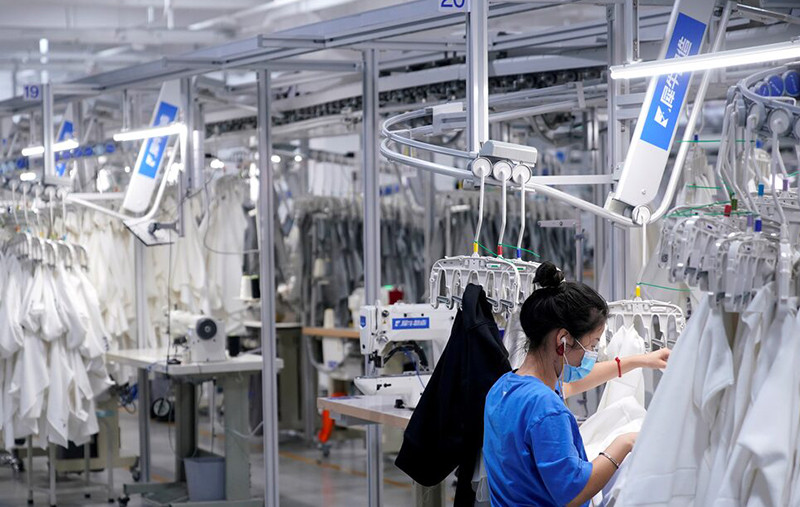
The bulk unit price is the price for each garment or set at an agreed order quantity. For a full garment supply order, it usually covers the following materials and making costs:
- Fabric and trims: Fabric, buttons, elastic, thread and labels.
- Garment making: Cutting, sewing, finishing, pressing and agreed quality checks.
- Additional processes: Printing, embroidery or other specified treatments.
- Packaging: Agreed garment bags, hangtags and cartons.
Confirm the trade term
Factories often quote on an EXW (Ex Works) basis. Under EXW, the seller makes the goods available for collection at the named place, usually the factory. Loading, transport, export clearance and import charges are the buyer’s responsibility.
A price quoted under another trade term may include more delivery-related costs. Confirm the term and named place before comparing quotations, so you know what you will still need to pay beyond the garment price. Development and special testing may also be charged separately.
The price belongs to a particular order
A bulk quote is based on the style, fabric specification, quantity, color breakdown, size mix and packaging requirements you provide. For pajamas, check whether the unit means one top, one pair of pants or a complete set.
Total quantity alone does not tell the whole story. An order divided among several styles and colors may require separate material purchases and production arrangements. It may not achieve the same unit price as an equivalent quantity of one style in one color.
An early estimate may change after sampling
A manufacturer can provide an initial estimate before a sample is made, but some details may still be unresolved. Final fabric consumption, construction and decoration requirements can affect the confirmed bulk price.
If the approved sample uses a different fabric or more complex finishing than the original brief, ask for an updated quotation before placing the order. This keeps your production budget tied to the product you actually intend to make.
Why Does the Same Garment Cost Less in Bulk?
Once the sample is approved, the manufacturer has a defined version to reproduce. The pattern, measurements and construction decisions provide a starting point for production rather than a new development task for every garment.
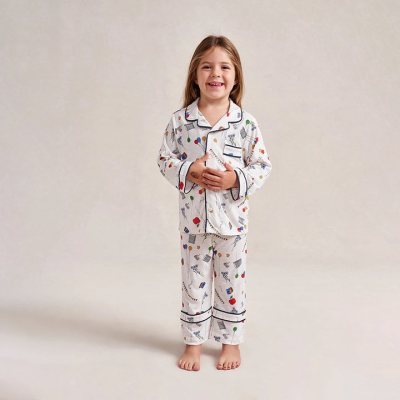
Take a button-front pajama set with contrast piping. During sampling, the collar shape, pocket position and piping finish may still need to be established. In bulk production, those approved details guide the work across the order.
Several efficiencies can then reduce the cost per garment:
- Preparation is shared. Production planning and process setup serve a batch, reducing the amount allocated to each piece.
- Materials can be arranged together. Larger purchases may offer better terms, while planned cutting layouts can improve fabric use.
- Operations are repeated. Workers can repeat established sewing steps, with less time spent interpreting or resolving the design for each garment.
Development costs do not automatically disappear. They may have been paid through the sample fee, charged separately or included in the commercial arrangement for the order.
There is also a limit to how much quantity can reduce the price. Each additional garment still needs fabric, trims, labor and processing. Doubling an order will not necessarily halve the unit price, especially when the material specification remains a substantial part of the cost.
How Should You Compare a Sample Quote With a Bulk Quote?
Comparing the two figures becomes more useful when you look at the work and deliverables behind them. There is no single sample-to-bulk price multiple that proves a quotation is reasonable.
Before paying, clarify these four points:
1. Sample scope: Does the fee include pattern development, fabric sourcing and decoration trials? How many garments, sizes and colors will you receive?
2. Bulk assumptions: Which materials, quantities, processes and packaging does the unit price cover? Is it an estimate or a confirmed quotation?
3. Trade terms and separate charges: Is the price EXW or based on another trade term? Which delivery costs, testing fees or other charges are additional?
4. Revision terms: Which adjustments are included, when does another sample become chargeable, and is any sample-fee credit available?
A higher sample quote might include development work that another supplier charges separately. A lower quote might also be appropriate for a straightforward style using an existing pattern. The amount alone cannot settle the comparison.
Changes and corrections need their own discussion. Requesting a different silhouette after reviewing the sample changes the work you commissioned. A sample that fails to follow an agreed measurement or approved detail raises a different question. Establish how those situations will be handled rather than assuming every remake is either free or payable.
How Can You Avoid Unnecessary Sampling Costs?
Clear decisions before sampling can save you from paying to explore options you have already ruled out. Confirm that the estimated bulk price fits your budget, then bring together your reference style, measurements, fabric preferences and artwork in one consistent brief.
Give each sample a purpose. An early fit sample and a fully customized approval sample may involve different work. Our pajama sampling guide explains how those development decisions progress toward approval.
Once the sample arrives, review it fully before sending feedback. Marked photos and specific measurements make requested changes easier to understand than several separate messages asking for a looser fit or a different look.
Before changing the fabric, silhouette or decoration method, ask what needs to be redone and what it will cost. Some details can be checked through a fabric swatch or decoration trial; others require another garment. Agreeing on the next step helps keep the spending connected to a clear development need.
Frequently Asked Questions
Can the sample fee be deducted from the bulk order?
Some suppliers offer a credit against a qualifying bulk order, while others charge development separately. Confirm the eligible amount, order conditions and timing in writing before assuming the sample fee will be deducted.
Will a repeat sample cost less than the first one?
It may, if the existing pattern, specifications and artwork can be reused. A repeat with substantial changes or different materials may still require considerable preparation, so ask for a quote based on the actual work involved.
Does a higher sample fee mean better quality?
Price alone does not establish quality. Assess whether the sample follows the agreed requirements, and examine its fit, materials, construction and finish alongside the scope of service you paid for.
Conclusion
Before committing to sample development, get a workable estimate for bulk production and a clear description of the sample work. That gives you a stronger basis for deciding whether the product fits your budget and whether the development fee makes sense for your project.
If you are developing pajamas or loungewear, contact KoalaPurr with your reference style, fabric preferences, customization details and planned quantity. Our team can review the development needs and discuss the sample scope alongside an initial bulk quotation.