7 Types of Nightgowns: A Guide to Popular Styles
A favorite oversized T-shirt, a soft cotton gown with lace at the neckline, a simple satin slip—there are many ways to feel comfortable at the end of the day. Nightgowns bring those different looks into a single piece you can slip on for bed.
A nightgown is a one-piece, dress-like garment worn for sleeping, also known as a nightdress. It can be short or long, with shoulder straps or sleeves, and a fit that ranges from body-skimming to loose and flowing. For your sleepwear collection, the shape is a useful place to start before choosing the fabric, length and finishing details.
Here are seven popular nightgown styles at a glance:
| Nightgown Style | Key Features |
|---|---|
| Slip Nightgown / Chemise | Shoulder straps and a simple shape that skims the body or falls gently away from it. |
| Babydoll Nightgown | A short, flared skirt that opens out below a closer-fitting bust. |
| Button-Front Nightshirt | An oversized shirt look with front buttons, often finished with a collar and curved hem. |
| T-Shirt Nightgown | A relaxed pullover sleep dress with the familiar shape of a longer T-shirt. |
| Victorian-Inspired Nightgown | A roomy skirt with romantic details such as lace, pintucks, gathers or ruffles. |
| Kaftan-Style Nightgown | A wide, flowing body, often paired with broad sleeves and soft drape. |
| Muumuu-Style Nightgown | A loose, often A-line dress shape, with gathers or pleats adding room through the skirt. |
1. Slip Nightgown / Chemise
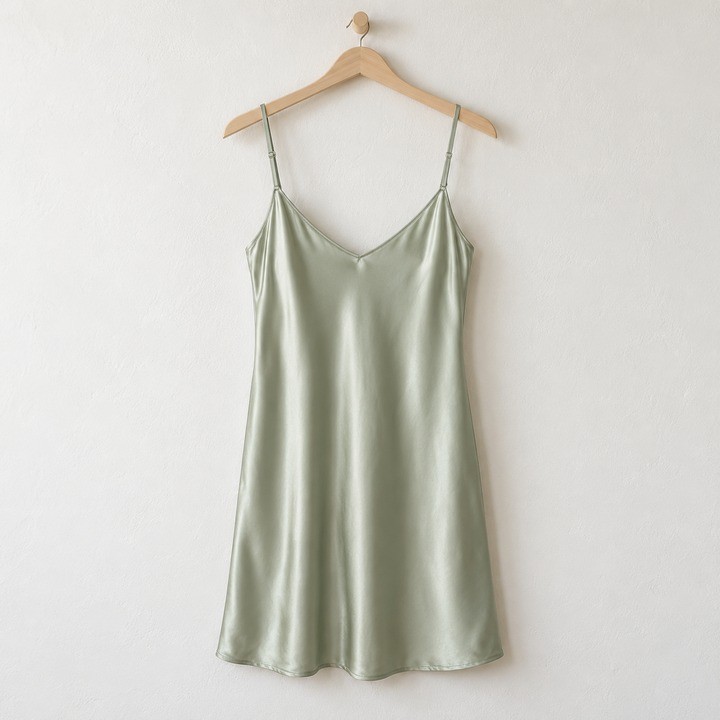
A slip nightgown is a simple strappy dress made for sleeping. It can skim the body or fall gently away from it, with a V-neck, scoop neck or lace-trimmed neckline. Adjustable straps let the wearer fine-tune where the neckline sits.
You will often see shorter versions called chemises, although brands use the two names a little differently. Plain fabric keeps the look understated, while shaped bust panels, a low back or a little lace can make it feel more delicate. Even a small change at the neckline can give this simple style a different mood.
2. Babydoll Nightgown
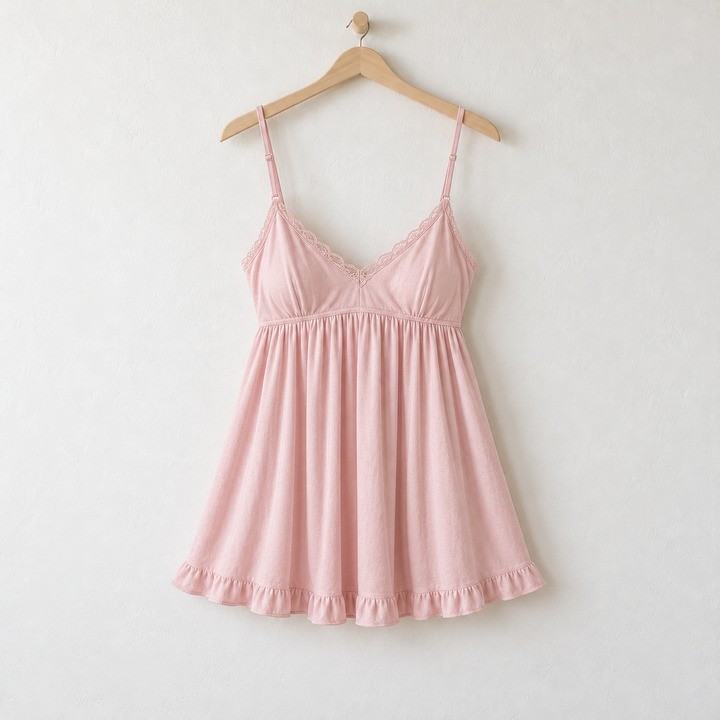
A babydoll nightgown is usually short, with a closer fit around the bust and a skirt that opens out underneath. Soft gathers, pleats or a seam below the bust give it that familiar flared shape, leaving more room around the waist than a straighter chemise.
It has a light, playful look that can be styled in different ways. A plain, opaque fabric keeps it simple and easy to wear, while lace at the bust or a softly ruffled hem adds a romantic touch. Sheer panels are another option for a more lingerie-inspired version.
3. Button-Front Nightshirt
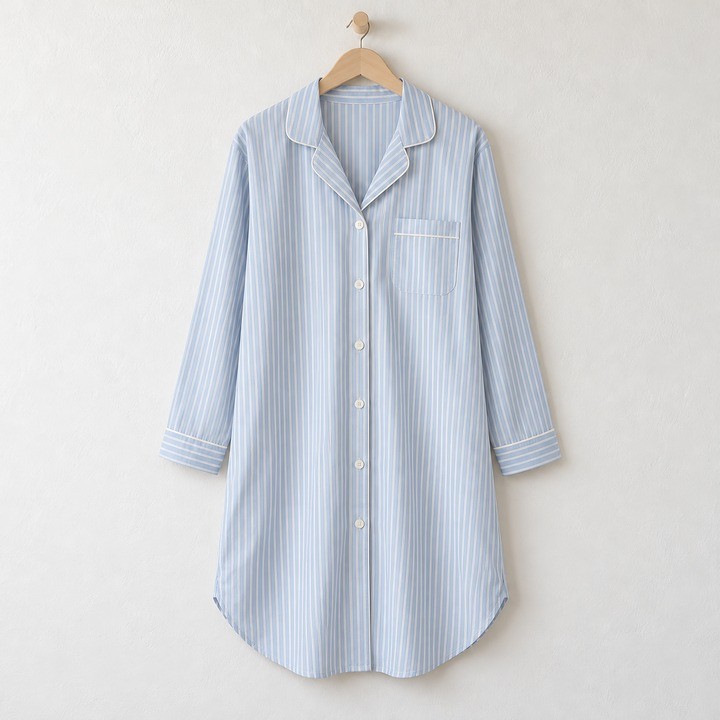
A button-front nightshirt has the familiar look of an oversized shirt, with enough length to wear on its own. A collar, front buttons, chest pocket and curved hem give it the relaxed feel of a favorite pajama top.
Buttons may run down the full front or stop partway down the chest. Contrast piping around the collar and cuffs creates a classic pajama look, while a collarless neckline feels simpler. For a collection with a clean, understated direction, the buttons and pocket can provide all the detail it needs.
4. T-Shirt Nightgown
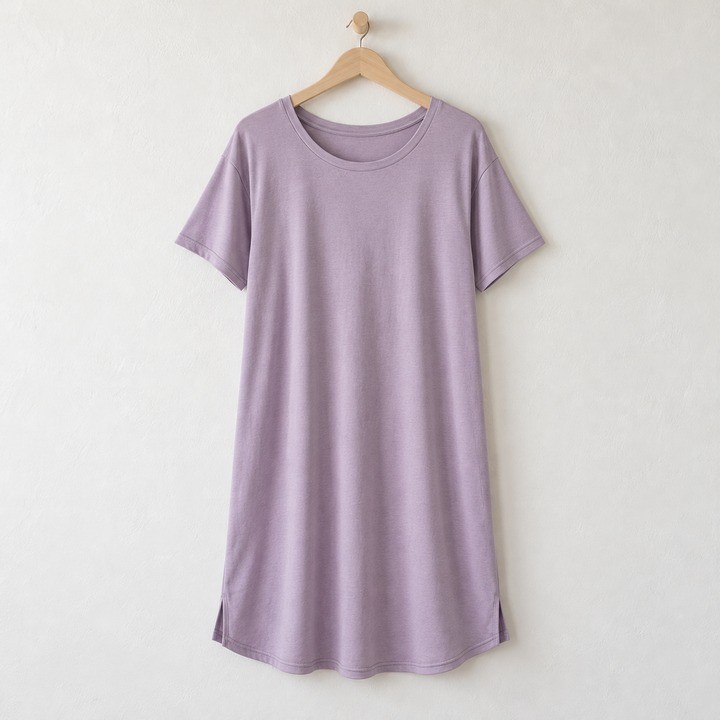
A T-shirt nightgown is an extended version of a T-shirt, usually with a pullover neckline and a relaxed fit. Soft jersey gives it that familiar T-shirt feel, with short or long sleeves to suit the design.
It can fall straight, flare slightly at the hem or have a roomy, oversized shape. A plain crew neck works well for an everyday basic; a chest graphic, dropped shoulders or a curved hem gives it more personality. You may also see it called a T-shirt sleep dress or a pullover nightshirt.
5. Victorian-Inspired Nightgown
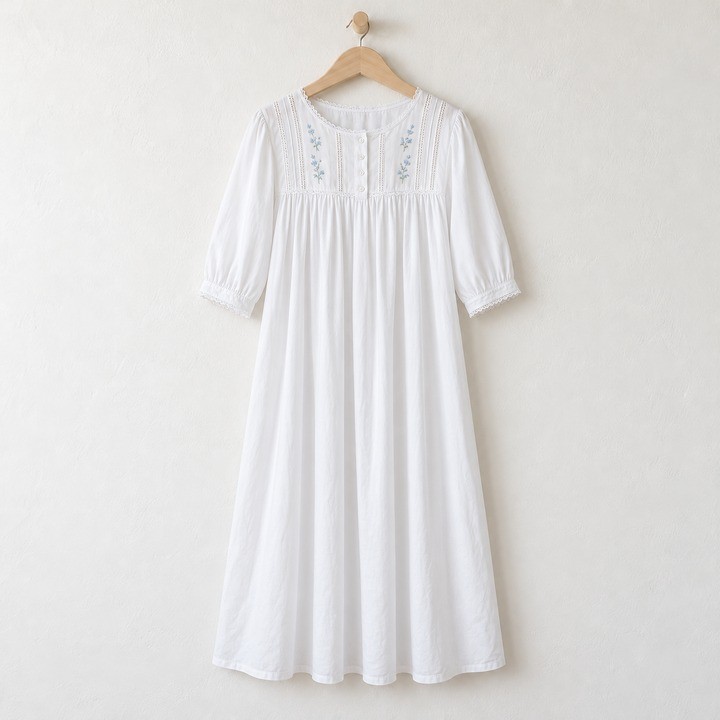
Gathered yokes, fine pintucks and lace edging give a Victorian-inspired nightgown its soft, old-fashioned charm. The skirt usually has plenty of room, with fabric falling in gentle folds from the upper chest or shoulders. A higher neckline and ruffled cuffs can make the look more traditional.
You can keep those details quite subtle, too. A small lace edge or an embroidered neckline, like those found on Eileen West’s cotton nightgowns, can bring the same romantic feel to a simpler design. Long sleeves and a long skirt are familiar choices, but shorter and sleeveless versions also leave room for this style in a collection.
6. Kaftan-Style Nightgown
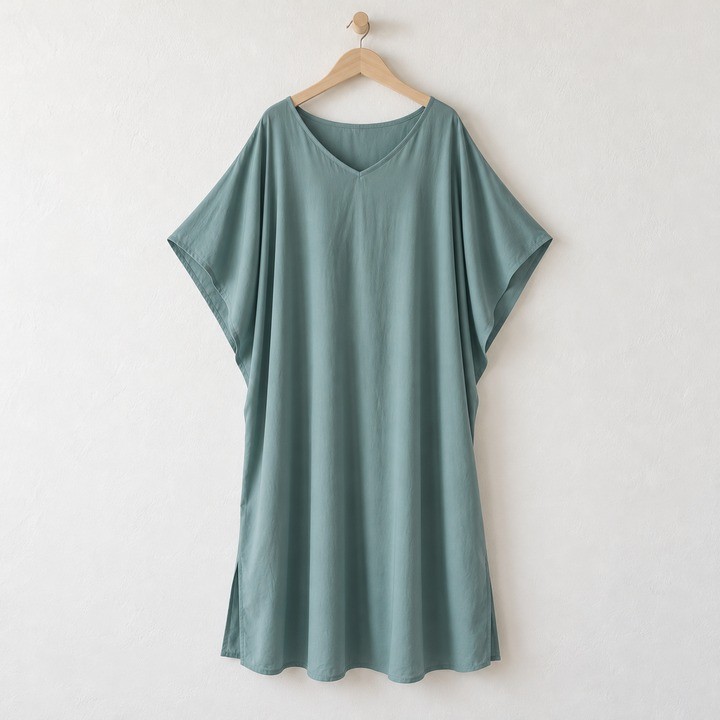
A kaftan-style nightgown has a wide, flowing shape with plenty of room around the body. Broad sleeves, sometimes cut as part of the body, let the fabric fall in soft folds around the arms and sides.
You may know kaftans as holiday or resort dresses, but the same easy shape can be adapted for sleeping and lounging. A softer fabric and less bulky sleeves help it feel comfortable in bed. Large prints and border patterns have room to show across the broad panels, while a plain version draws attention to the drape. You will also see the name spelled “caftan.”
7. Muumuu-Style Nightgown
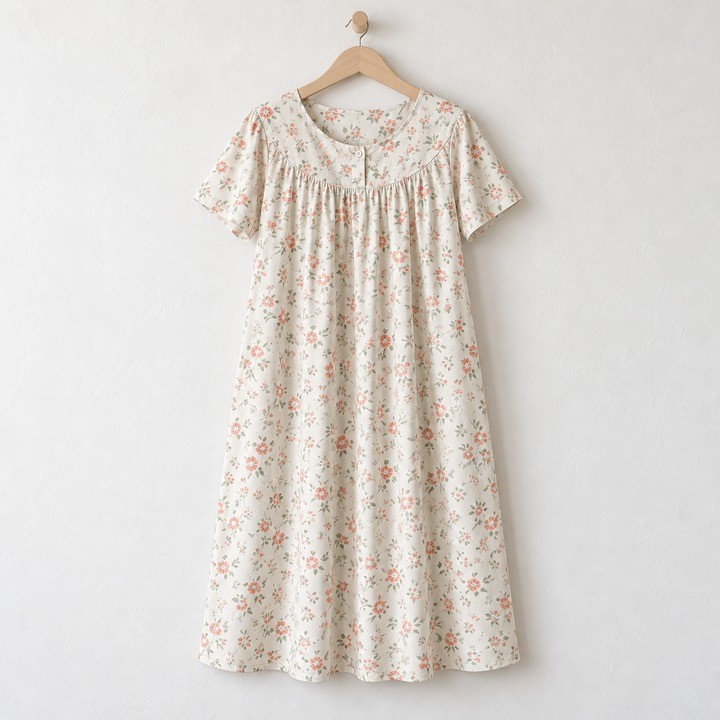
A muumuu-style nightgown is loose through the waist, with a roomy skirt that often widens gently toward the hem. Gathers or pleats below a yoke add fullness, so the fabric hangs away from the body.
It shares some of a kaftan’s ease, but often looks more like a relaxed dress with a gathered skirt. A floral print and side pockets can make it a welcoming choice for slow mornings at home. Muumuus are also worn as house dresses and casual daywear; lighter sleepwear versions bring that same roomy fit to bedtime. The informal spelling “moomoo nightgown” refers to this style as well.
Common Fabrics for Nightgowns
Fabric can change the feel of a nightgown you already love. The same simple shape might look crisp in woven cotton, fall softly in modal jersey or take on a little shine in satin. Here are some options to consider for your collection.
| Fabric option | Typical appearance or feel | Styles to consider |
|---|---|---|
| Cotton / Organic Cotton | Woven lawn or poplin can create a light, defined shape; jersey gives a softer, more casual outline. | Victorian-inspired gowns, nightshirts, T-shirt nightgowns and muumuu styles |
| Modal | Often used in smooth, softly draping jersey fabrics. | Chemises, T-shirt nightgowns and relaxed sleep dresses |
| Bamboo Viscose | Commonly used in soft, fluid knits; blends may include elastane. | Simple slip styles and pullover nightgowns |
| Lyocell / Viscose | Available in woven and knitted fabrics that can give a flowing outline. | Kaftan styles, loose nightshirts and softly draped gowns |
| Satin / Silk | Satin offers a smooth, lustrous face; silk satin is one option within this group. | Slip nightgowns, chemises and decorative babydoll designs |
| Flannel | A brushed or napped surface gives a soft, cozy character. | Long-sleeve nightshirts and traditional nightgowns |
| Linen | Often has a visible texture and a more relaxed, less glossy appearance. | Simple, loose-fitting woven nightgowns |
When comparing satin options, check the composition: silk is a fiber, while satin is a weave, so a satin nightgown may be made from silk, polyester or another suitable fiber. With cotton, the organic label describes how it was grown; the weave and finish still help shape the feel of the fabric.
If you are drawn to softly draping knit styles, our modal fabric guide takes a closer look at the material and its common blends.
Key Length & Cut Variations
Nightgown Lengths: Short, Knee-Length, Midi, and Long
Once you have chosen the shape, think about where you would like the hem to fall. A short slip can feel light and simple, while a longer version of the same design gives more coverage and a flowing look.
- Short: Usually finishes above the knee, with variations from upper-thigh to just above the kneecap.
- Knee-length: Finishes around the knee and offers an intermediate amount of coverage.
- Midi: Falls below the knee, often around the calf.
- Long: Extends toward the lower calf or ankle, depending on the design.
These names are a useful starting point, though the same hem can sit differently on a shorter or taller wearer. For your collection, a garment length and model height make the intended fit easier to picture. With a long gown, a wider hem or a side slit can also leave more room for walking.
Sleeve Options for Nightgowns
Narrow straps keep the shoulders open and give a nightgown a light, delicate look. A sleeveless design with wider shoulders offers a little more coverage while leaving the arms free.
Short sleeves can be simple and straight, softly fluttered or dropped from the shoulder. Three-quarter sleeves finish between the elbow and wrist, while long sleeves can have an open hem, cuff or gentle elastic gathering. Wide sleeves also add volume, so two gowns with the same sleeve length can still look very different.
A light long-sleeve cotton gown can feel very different from a heavier flannel version, so consider the fabric alongside the amount of coverage you want.
Prints and Finishing Details
A printed nightgown can keep a simple silhouette while bringing more personality into the collection. Small florals can give a soft, romantic effect, stripes create a more graphic look, and gingham introduces a familiar checked pattern. Fruit, animal or illustrated motifs can add a playful direction without changing the garment’s shape.
Print layout is another choice. An all-over pattern spreads across the fabric, while a placement print puts artwork in a selected area, such as the chest or near the hem. Our guide to all-over print vs. placement print explains this distinction in more detail.
Solid colors let smaller details stand out: a line of contrast piping, embroidery at the neckline or a soft lace edge around the hem. Pockets can add an everyday, relaxed feel. Any trim sitting against the skin should feel as comfortable as the fabric around it.
If you have a print or embroidered detail in mind, our team can help develop it with your nightgown sample. KoalaPurr has in-house printing and embroidery, so we can work on the artwork, fabric and garment together.
Frequently Asked Questions
Which nightgown styles should I choose for my first collection?
Start with the look your customers already come to you for. A T-shirt nightgown or button-front nightshirt can fit a casual collection, while a chemise or Victorian-inspired gown can suit a more romantic direction. One or two well-developed shapes give you room to explore colors and prints without spreading your first range too thin.
Can you develop a nightgown from a reference photo?
Yes. You can send our team reference photos, sketches or an existing sample, along with the details you would like to change. We can help work through the fabric, fit and construction before making your sample, even if you do not have a complete tech pack yet.
Can I use the same print across different nightgown styles?
Yes, one print can help bring several styles together as a collection. The scale or placement may need adjusting for a narrow chemise, a gathered skirt or a wider kaftan, and a change of fabric may also call for a different printing approach.
What is the minimum order for custom nightgowns?
KoalaPurr’s MOQ is 100 pieces per style, per color. If you are planning several styles or colorways, each needs to meet that minimum, so 100 pieces cannot be divided across the whole collection.
How long does it take to make samples and a bulk order?
Sample development usually takes 7–14 days, and bulk production typically takes 24–30 days, depending on the project. When planning your launch, allow additional time for sample revisions and shipping.
Conclusion
A collection can begin with just a few styles your customers would enjoy wearing. Give those designs a few thoughtful variations, with enough variety for each one to have its own character. A favorite shape in a fresh print or a different length can be a useful place to begin.
If you have a nightgown reference you would like to develop, send KoalaPurr your images, fabric preference and planned quantity. Our team can help turn those details into a sample for your brand.