Bamboo Fabric or Bamboo Viscose? What Brands Need to Know
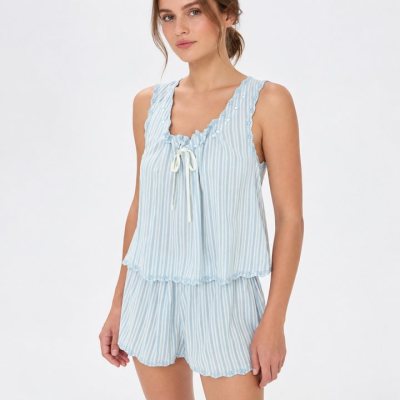
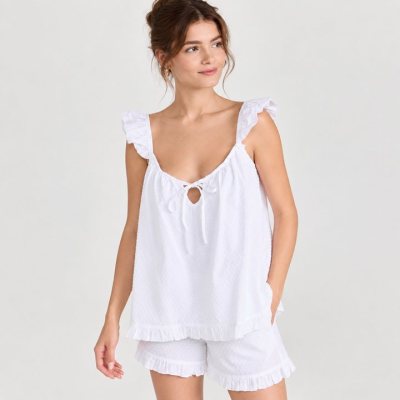
Bamboo has become a familiar fabric choice in sleepwear and loungewear. It feels soft against the skin, drapes easily and works well for many relaxed styles.
The confusing part usually starts when you begin sourcing it. “Bamboo fabric” is often used as a broad description, but it does not always tell you exactly what the fiber is.
If you are developing bamboo pajamas or loungewear, it helps to understand the terminology before choosing a fabric and moving into sampling.
What Does “Bamboo Fabric” Actually Mean?
“Bamboo fabric” is commonly used as a general name for textiles made from bamboo-derived cellulose.
In clothing, you will usually come across three terms: bamboo viscose, bamboo rayon and bamboo lyocell. They all begin with bamboo as a cellulose source, but the terminology and production methods are not exactly the same.
For sourcing, it is better to check the actual fiber composition rather than rely only on the word “bamboo.”
What Is Bamboo Viscose?
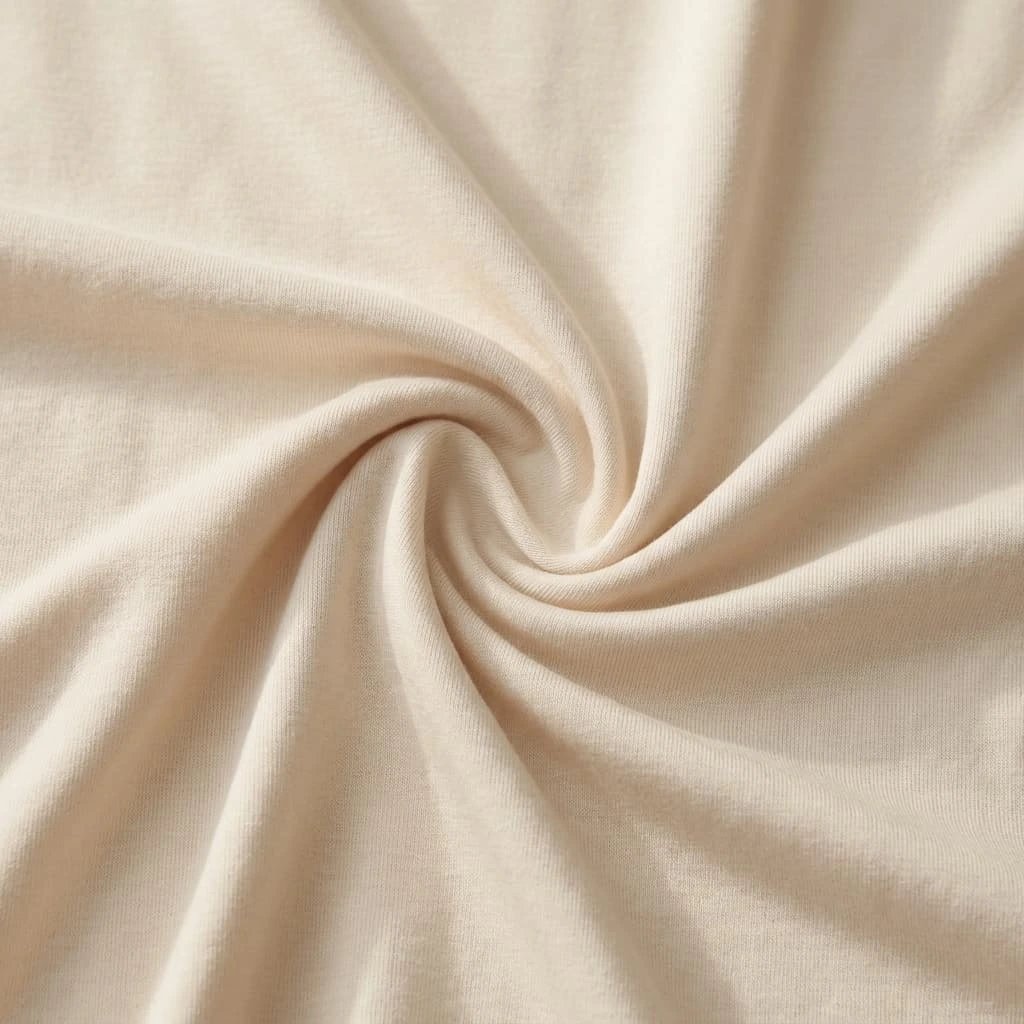
Bamboo viscose is probably the version you will come across most often in soft clothing. Bamboo is processed into cellulose pulp, and the cellulose is then regenerated into fiber through the viscose process.
The finished fabric usually feels soft, smooth and fluid, which makes it well suited to pajama sets, lounge pants, camisoles, robes and other styles that sit softly against the body.
Lightweight bamboo viscose can have a beautiful drape, but the fabric still needs enough recovery and stability for the garment. This is especially important around waistbands, necklines and more fitted areas.
What Is Bamboo Rayon?
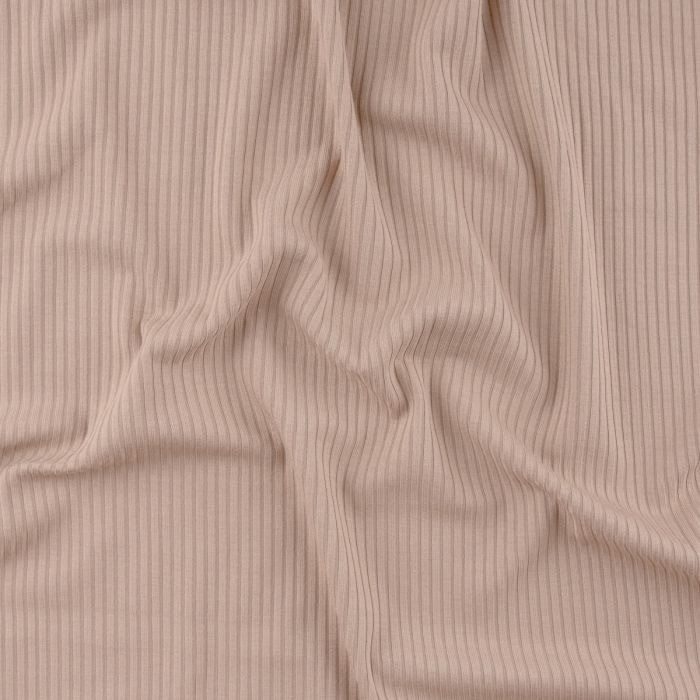
Bamboo rayon and bamboo viscose often cause confusion because the two names are frequently used for very similar fabrics.
Rayon is the broader regenerated cellulose category, while viscose is one of the most common ways rayon is produced. This is why one supplier may describe a fabric as bamboo rayon while another uses bamboo viscose for a very similar material.
If the names are different, compare the fiber composition and fabric specification before assuming the fabrics themselves are different.
What Is Bamboo Lyocell?
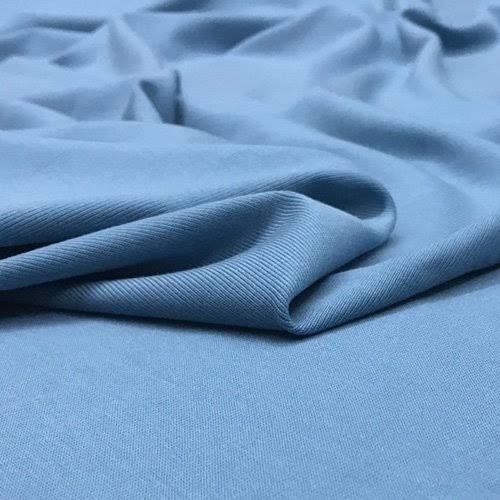
Bamboo lyocell also starts with cellulose derived from bamboo, but it is regenerated using the lyocell process rather than the conventional viscose process.
It can still produce a soft, smooth fabric, but the production route, availability and finished fabric character may differ from bamboo viscose.
If a supplier offers bamboo lyocell, it is better to treat it as a separate fabric option and sample it rather than expect it to behave exactly the same way.
How Is Bamboo Viscose Made?
Bamboo viscose starts with bamboo being processed into cellulose pulp. The cellulose is then dissolved, regenerated into fiber, spun into yarn and made into fabric.
The basic route looks like this:
Bamboo → cellulose pulp → regenerated fiber → yarn → fabric
This is why bamboo viscose is classed as a regenerated cellulose fiber. The bamboo provides the cellulose, but the soft fiber used in clothing is created through further processing.
Why Is Bamboo Viscose Popular for Sleepwear and Loungewear?
Bamboo viscose works particularly well in garments that need to feel soft and relaxed.
In sleepwear, it can give loose pants and tops an easy drape without making them feel heavy. In loungewear, it works well for soft matching sets, relaxed trousers and lightweight tops where comfort and movement are part of the design.
It is also comfortable against the skin, which is one reason it is commonly used for close-to-body products.
100% Bamboo Viscose or a Blend?
A fabric does not have to be 100% bamboo viscose to work well.
Bamboo viscose with elastane is common when a garment needs more stretch and better recovery. This can be useful for fitted tops, leggings or jersey lounge sets.
Cotton can add a little more body, while modal may be blended with bamboo viscose when a soft, fluid hand is still the goal.
The right blend depends on the garment. A loose pajama pant and a fitted lounge top will usually need different things from the fabric.
What Brands Should Check Before Sampling Bamboo Fabric
If a supplier sends you a fabric simply described as “bamboo,” ask for the full composition first. You want to know whether it is bamboo viscose, bamboo lyocell or a blend.
Then look at the fabric itself. GSM, construction, stretch, recovery and shrinkage will affect how it behaves once it becomes a garment.
A swatch is useful for checking the hand feel, but the sample garment tells you much more. That is where you see whether the fabric drapes well, holds its shape and still looks right after washing.
Bamboo Viscose vs Modal vs Lyocell
Bamboo viscose, modal and lyocell all belong to the regenerated cellulose family, so there can be some overlap in softness and drape.
| Fabric | Typical Feel | Drape | Common Uses |
|---|---|---|---|
| Bamboo Viscose | Very soft and smooth | Fluid | Pajamas, lounge sets, relaxed basics |
| Modal | Soft and smooth | Fluid with good control | Pajamas, stretch sets, underwear |
| Lyocell | Smooth with a cleaner feel | Fluid and refined | Loungewear, tops, relaxed pants |
Bamboo viscose is often chosen when softness and easy drape are the main priorities. Modal works well in soft knitwear and stretch blends, while lyocell can give a collection a slightly cleaner, more polished appearance.
When the options are close, comparing actual fabric qualities is usually more useful than choosing from the fiber name alone.
Final Thoughts
“Bamboo fabric” is useful as a general description, but it is not enough information when you are developing a product.
Before sampling, confirm what the fiber actually is, whether it is blended with anything else and how the fabric is constructed. From there, the sample will tell you whether the material really suits the fit and feel you want.
If you are developing bamboo pajamas or loungewear, KoalaPurr can support you with fabric sourcing, product development, sampling and custom production through to bulk manufacturing.
FAQ
Is bamboo fabric the same as bamboo viscose?
Not always. Bamboo fabric is a broader term, while bamboo viscose refers specifically to regenerated cellulose fiber made from bamboo through the viscose process.
Is bamboo rayon the same as bamboo viscose?
The terms are often used for very similar materials. Rayon is the broader regenerated cellulose category, while viscose is one of the most common ways rayon is produced.
Is bamboo viscose good for pajamas and loungewear?
Yes. Its soft hand and fluid drape work well for pajama sets, lounge pants, lightweight tops and other relaxed styles.
Is bamboo fabric sustainable?
Bamboo itself is a renewable raw material, but most bamboo fabrics are processed before they become finished textiles. Their environmental impact therefore depends on the production, dyeing and finishing methods used.
How should bamboo fabric be labeled?
The fiber label should reflect what the material actually is rather than simply using “bamboo” as a general fiber name. The exact wording can vary by market.