Types of Pajamas: 8 Popular Styles and Fabrics Explained
When you think of pajamas, a classic button-up set with matching pants may be the first style that comes to mind. But sleepwear comes in many more forms, from lightweight camisole sets and relaxed sleep shirts to one-piece rompers and nightgowns.
Each style has its own silhouette, details and appeal. Fabric also makes a difference, changing how a pajama set looks and feels. In this guide, we’ll explore eight common pajama styles and the fabrics often used to make them.
A Quick Guide to 8 Common Types of Pajamas
Not sure which pajama style you’re looking for? Here’s a quick overview of eight common types and their main characteristics.
| Pajama Style | Key Characteristics |
|---|---|
| Classic Two-Piece Pajama Sets | Matching button-up tops and long pants, often with collars and piping |
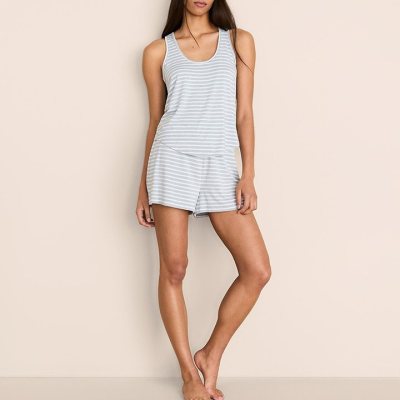
| Short Pajama Sets | Short-sleeve or sleeveless tops paired with matching shorts |
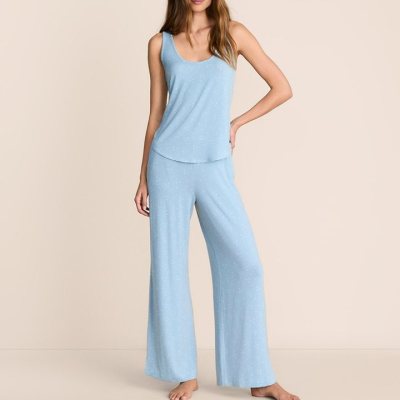
| Camisole Pajama Sets | Sleeveless tops with thin straps, paired with shorts or long pants |
| Sleep Shirts | Loose-fitting, longer tops inspired by button-up shirts or T-shirts |
| Nightgowns | One-piece sleepwear with a relaxed or flowing silhouette |
| Pajama Separates | Individual tops, pants or shorts that can be mixed and matched |
| Pajama Rompers | Short one-piece sleepwear combining a top and shorts |
| Onesie Pajamas | Full-length one-piece sleepwear with long sleeves and legs |
Each style offers a different silhouette and level of coverage. Below, we’ll take a closer look at what makes each one distinct.
8 Common Types of Pajamas by Style
Pajamas come in different shapes and designs, from traditional matching sets to simple one-piece styles. Here are eight popular options found in women’s and unisex sleepwear collections.
1. Classic Two-Piece Pajama Sets
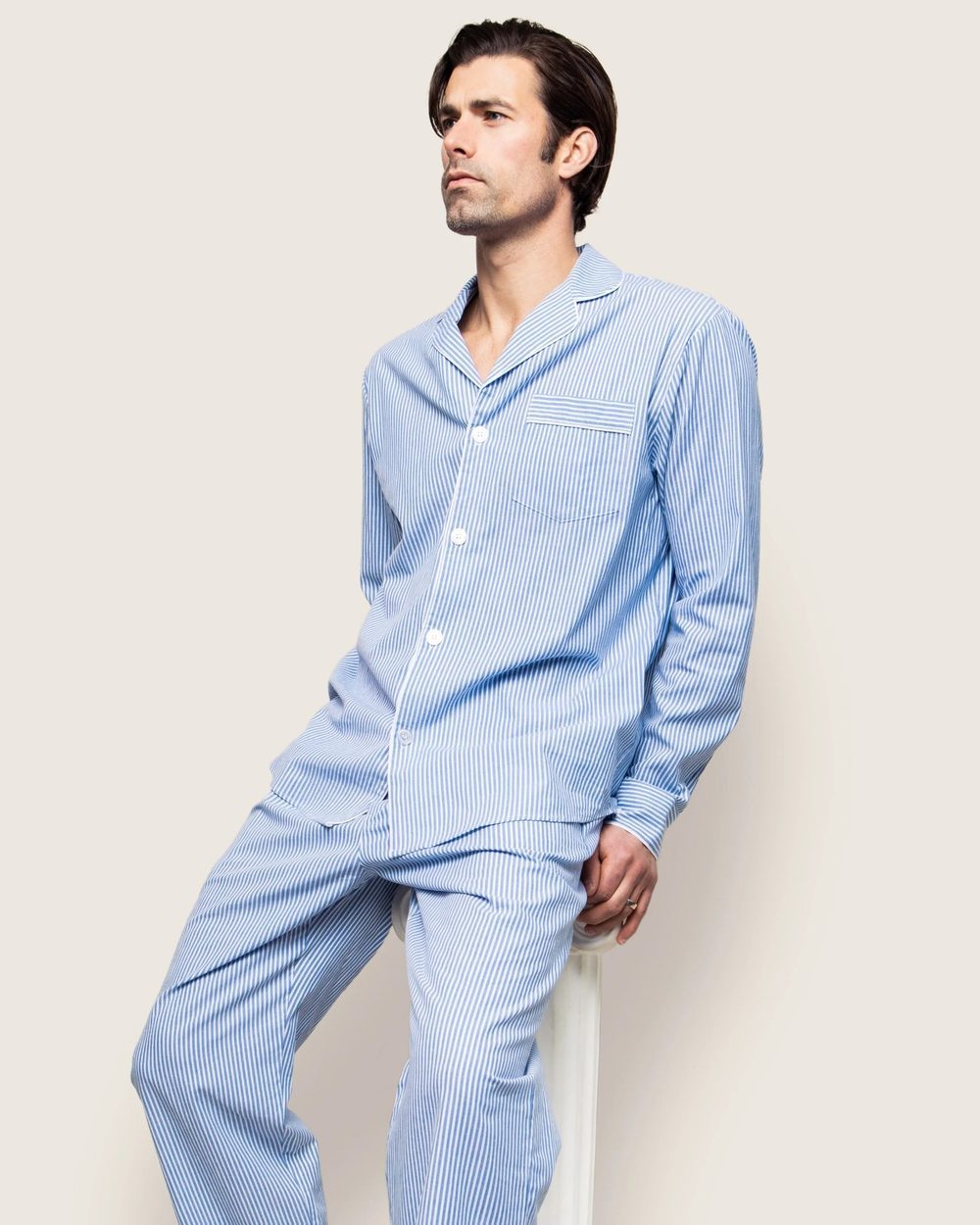
The classic two-piece pajama set is one of the most recognizable sleepwear styles. It usually consists of a button-up top and matching long pants, often finished with a notched collar, chest pocket and contrast piping.
The design can be simple or more detailed, depending on the fabric and finishing. Stripes, checks, piping and printed patterns are common choices, giving this familiar silhouette plenty of room for variation.
2. Short Pajama Sets
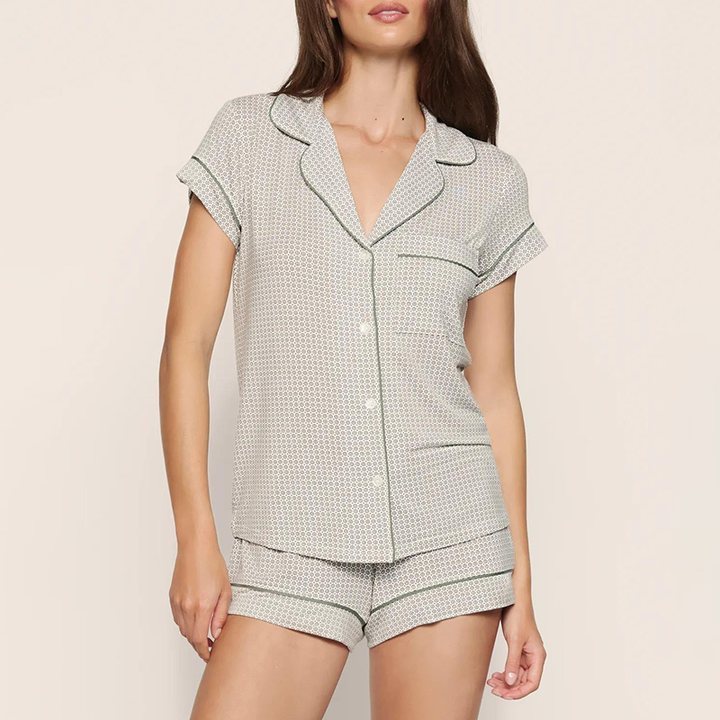
Short pajama sets are a lighter alternative to traditional long sets, usually featuring a short-sleeve or sleeveless top paired with shorts.
Some follow the classic button-up design, while others use a relaxed T-shirt or camisole-style top. Their shorter silhouette makes them a popular choice for spring and summer sleepwear, particularly when made with lightweight fabrics.
3. Camisole Pajama Sets
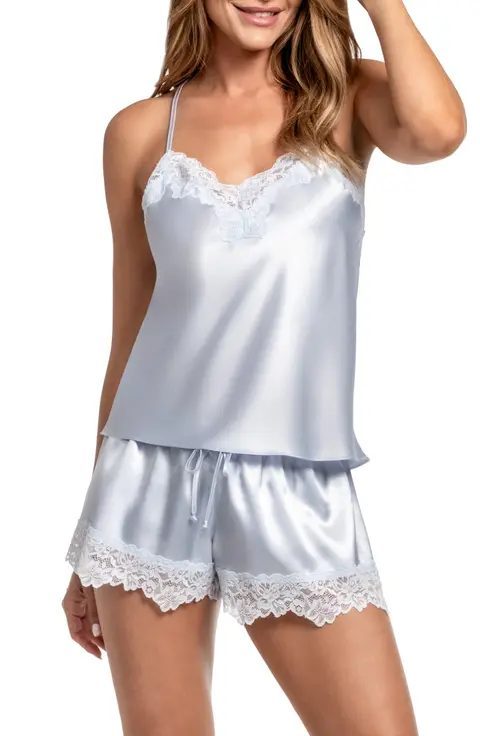
Camisole pajama sets feature a sleeveless top with thin shoulder straps, usually paired with matching shorts or long pants.
Common design details include adjustable straps, V-necklines, lace trim and delicate piping. Some styles have a simple, minimal look, while others use decorative details for a more feminine appearance.
Satin, modal and viscose-based fabrics are often used for camisole sets because their drape works well with the lightweight silhouette. Depending on the design, these sets can feel relaxed enough for everyday sleepwear or look more refined for a gift collection.
4. Sleep Shirts
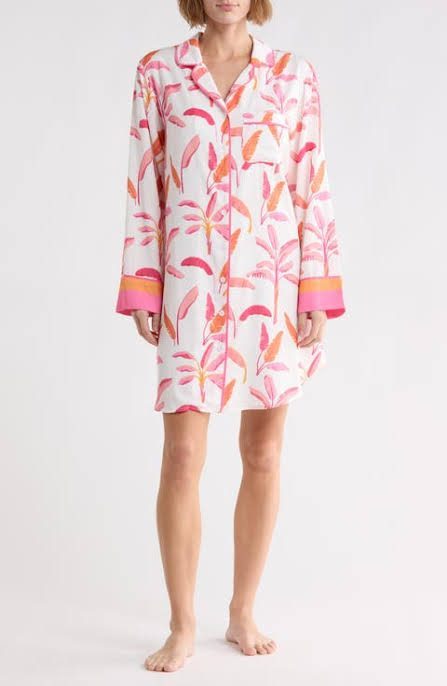
Sleep shirts are loose-fitting, single-piece garments designed to be worn on their own.
There are two common variations. Some resemble oversized button-up shirts with collars, front pockets and long sleeves, while others have a simpler T-shirt shape with a longer hem.
Their relaxed fit makes them an easy alternative to matching pajama sets. Cotton jersey, modal and lightweight woven fabrics can all be used, depending on the desired shape and feel.
5. Nightgowns
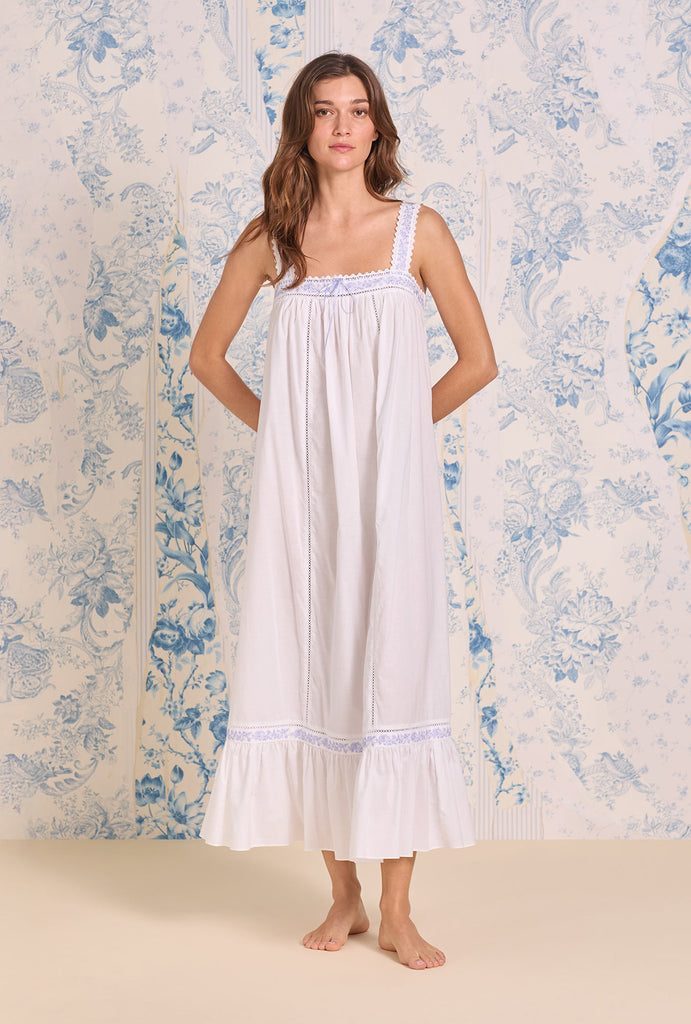
Nightgowns are one-piece sleepwear garments that usually have a loose or flowing silhouette. Unlike traditional pajama sets, they do not come with matching bottoms.
They range from short, simple designs to midi and full-length styles. Some have a relaxed T-shirt shape, while others feature delicate straps, lace details or a more flowing cut.
Cotton and modal are common choices for everyday nightgowns, while satin and silk are often used for more refined designs.
For a closer look at different silhouettes, see our guide to 7 Types of Nightgowns.
6. Pajama Separates
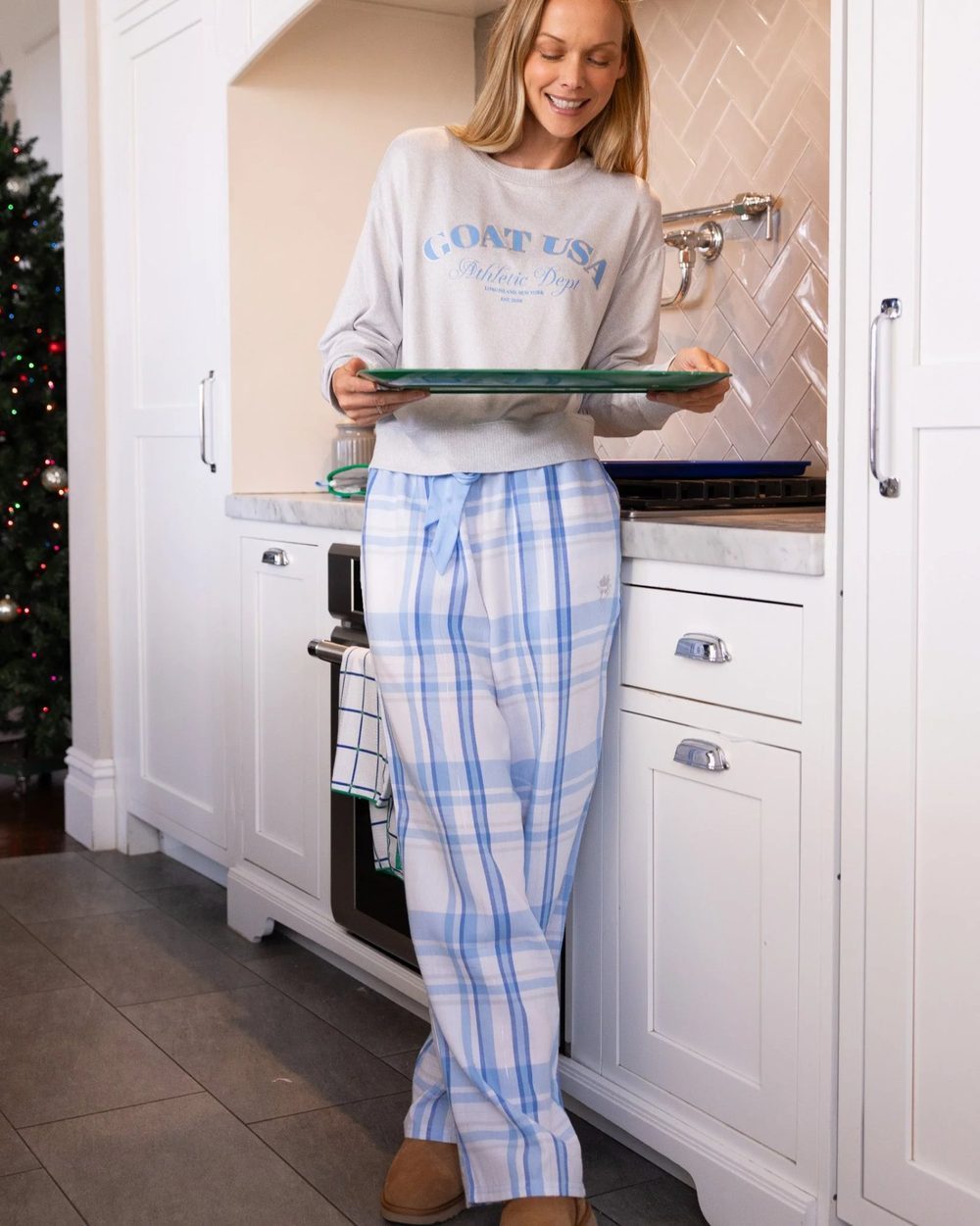
Pajama separates are individual sleepwear pieces sold or worn separately rather than as a matching set.
Common options include pajama pants, sleep shorts, tops and relaxed sleep shirts. Customers can mix different pieces together or wear them with other comfortable clothing.
This category offers more flexibility than a coordinated set. For example, a pair of printed pajama pants can be paired with a plain T-shirt, while a simple sleep top can work with several different bottoms.
7. Pajama Rompers
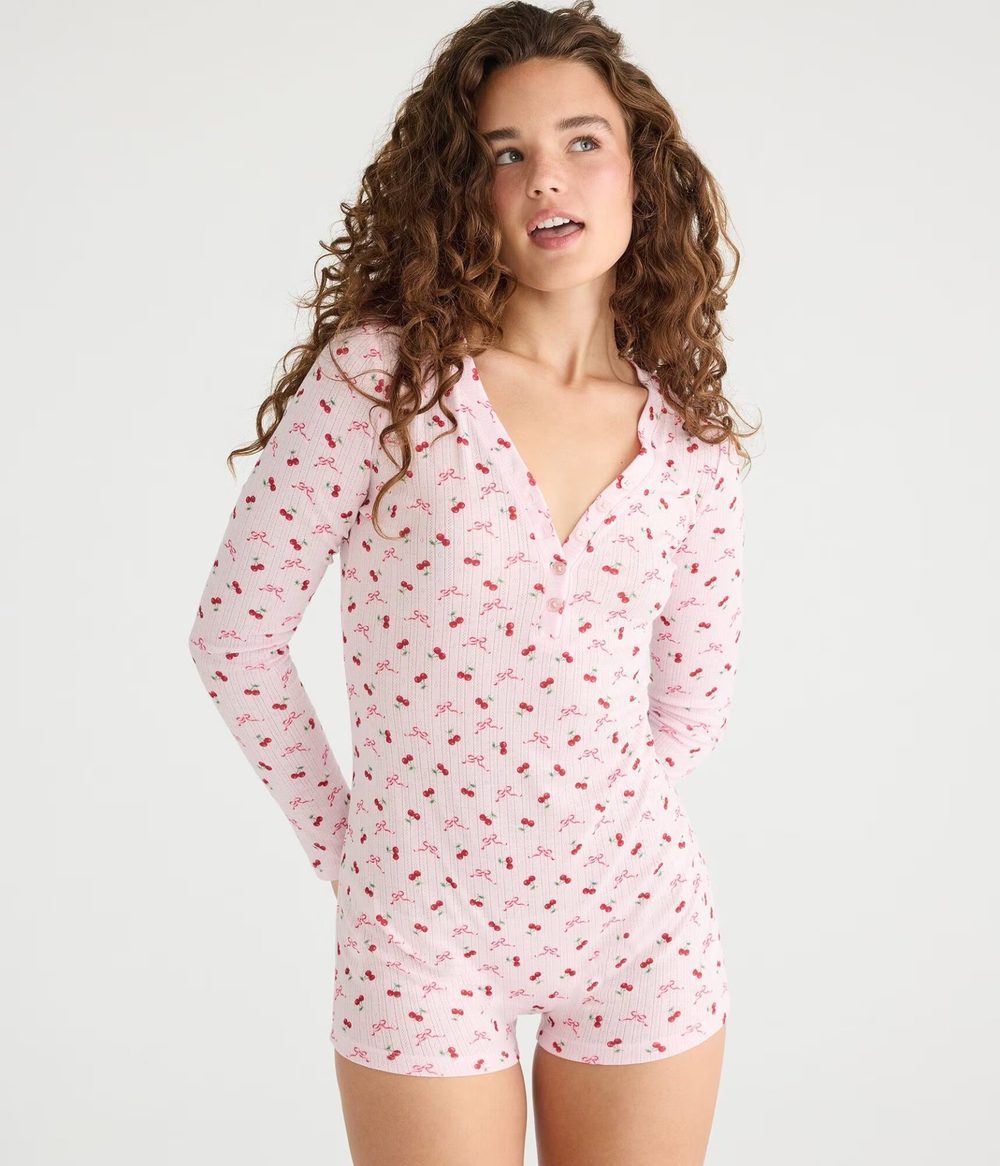
Pajama rompers combine a top and shorts into one short one-piece garment. They usually have a sleeveless or short-sleeve design, making them a lighter alternative to full-length one-piece sleepwear.
Depending on the style, details may include button fronts, adjustable straps, elastic waist sections or a defined waistline. Printed patterns and playful details are also common.
Unlike a two-piece set, a romper has no separate waistband between the top and bottom. Its one-piece construction creates a continuous silhouette.
8. Onesie Pajamas
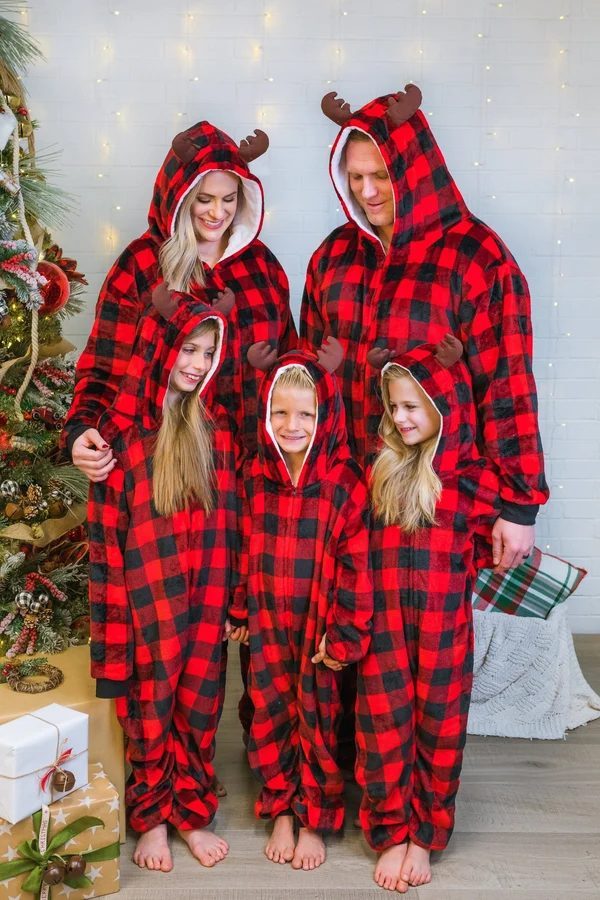
Onesie pajamas are full-length one-piece garments, usually featuring long sleeves and long legs. Some designs also include hoods, front zippers, button closures or footed bottoms.
They are often associated with colder weather, novelty sleepwear and relaxed homewear. Plaid patterns, character-inspired designs and seasonal prints are popular options.
The main difference between onesies and pajama rompers is their length and coverage: rompers have short legs, while onesies generally cover the arms and legs.
Popular Fabrics Used for Pajamas
The same pajama style can look and feel quite different depending on its fabric. Construction, weight and finishing also influence the final garment, so a fiber name alone does not tell the whole story.
Here are six commonly used fabric options for sleepwear.
Cotton
Cotton is widely used for pajamas because it comes in many fabric constructions and weights.
Cotton poplin is a woven fabric with a relatively crisp, structured feel, making it suitable for classic button-up pajama sets. Cotton jersey, on the other hand, is knitted and has a softer, more flexible feel that works well for T-shirt-style tops and relaxed sleepwear.
This variety makes cotton suitable for everything from lightweight summer sets to everyday long-sleeve pajamas.
Satin and Silk
Satin and silk are often mentioned together, but they describe different things.
Silk is a natural fiber, while satin refers to a weave that creates a smooth surface with a characteristic sheen. Satin can be made from different fibers, including polyester, silk and viscose.
In sleepwear, satin is commonly used for camisole sets, button-up pajamas and robes. Its smooth surface and fluid appearance give these garments a more polished look.
Silk satin offers a different material composition from polyester satin, even though both may have a similar glossy appearance. The fiber content should always be checked when specifying a satin garment.
Flannel
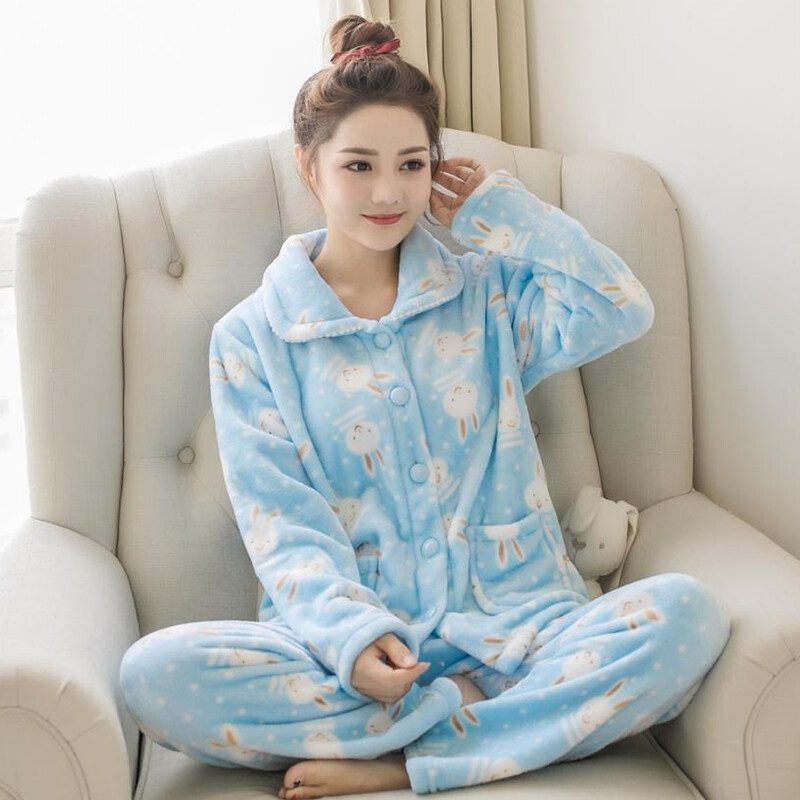
Flannel is closely associated with cool-weather pajamas. It usually has a brushed surface that gives the fabric a soft, slightly fuzzy feel.
It is commonly used for long-sleeve pajama sets, pajama pants and relaxed sleep shirts. Plaid and check patterns are particularly familiar in flannel sleepwear, although solid colors and other prints are also possible.
Fabric weight and brushing affect how warm and substantial the finished garment feels.
Modal
Modal is a regenerated cellulose fiber commonly used in soft knit sleepwear.
It is often made into jersey fabrics for pajama sets, sleep tops, pants and loungewear. Compared with crisp woven fabrics, modal jersey generally has a softer hand feel and a more fluid drape.
Its smooth surface and flexible feel make it a popular option for relaxed sleepwear silhouettes. Modal is also used in blends when a different balance of stretch, structure or fabric cost is needed.
Bamboo Viscose
Bamboo viscose is a regenerated cellulose fabric made using pulp derived from bamboo. It is commonly used in knit fabrics for pajamas and loungewear.
The finished fabric often has a smooth hand feel and fluid drape, making it suitable for relaxed pajama sets, T-shirt-style sleepwear and lightweight lounge pieces.
Bamboo viscose is not the same as mechanically processed bamboo fiber. The distinction matters when describing fabric composition and labeling products accurately.
Lyocell
Lyocell is another type of regenerated cellulose fiber used in sleepwear. It can be made into fabrics with a smooth surface and a fluid drape, depending on the yarn, construction and finishing.
Lyocell is used in pajama sets, relaxed pants, sleep tops and other soft garments. It can also be blended with cotton, modal or elastane to create different fabric characteristics.
When comparing lyocell with modal or viscose, the fiber name is only one part of the picture. Fabric construction and weight also influence the finished garment’s appearance and feel.
How to Choose the Right Pajama Style
Choosing a pajama style involves more than its appearance. The silhouette, season and intended use all influence which design makes sense for a collection.
Fit and Silhouette
Some pajamas have a structured shape, such as classic button-up sets, while others are designed to feel looser and more relaxed. Camisole sets create a lighter silhouette, whereas oversized sleep shirts and long pajama sets offer more coverage.
Think about how the top and bottom work together, as well as the overall length and fit.
Season and Climate
Short sets, camisoles and lightweight sleep shirts are common choices for warmer weather. Long-sleeve sets and flannel pajamas are more closely associated with cooler seasons.
Fabric also plays a role. A lightweight cotton woven fabric can feel quite different from a heavier brushed cotton, even though both are made from the same fiber.
Target Customer and Collection Direction
Everyday basics, gift collections and seasonal sleepwear often call for different design directions.
A collection focused on classic sleepwear might include button-up sets and simple sleep shirts, while a more fashion-oriented range could feature camisoles, satin sets and printed nightgowns. Mixing different silhouettes can give a collection variety without making the overall product direction feel inconsistent.
Frequently Asked Questions
What are the most common types of pajamas?
Common pajama styles include classic two-piece sets, short sets, camisole sets, sleep shirts, nightgowns, pajama separates, rompers and onesies. Each has a different silhouette and level of coverage.
What fabric is commonly used for pajamas?
Cotton, satin, flannel, modal, bamboo viscose and lyocell are commonly used in sleepwear. The choice depends on the fabric construction, desired appearance, garment style and season.
Are nightgowns considered pajamas?
Nightgowns belong to the wider sleepwear category, but they are different from traditional two-piece pajamas. They are usually one-piece garments without matching bottoms.
Which pajama fabrics are best for summer?
Lightweight cotton, modal jersey and some viscose-based fabrics are popular choices for summer pajamas. Lightweight satin can also work well, depending on its fiber composition and construction. Fabric weight and garment design both affect how suitable a style is for warmer weather.
What is the difference between pajama sets and separates?
Pajama sets usually include a matching top and bottom designed to be worn together. Separates are individual pieces, such as pajama pants, shorts or sleep tops, that can be purchased or styled independently.
Final Thoughts
Pajamas are not limited to the classic matching set. From camisoles and sleep shirts to nightgowns and one-piece styles, each design offers a different look and level of coverage.
Fabric adds another layer of choice. The same silhouette can feel crisp, soft, smooth or warm depending on its construction and material.
For sleepwear brands, understanding these differences makes it easier to build collections with a clear product direction. If you are developing custom pajama styles, KoalaPurr supports fabric selection, sample development and OEM/ODM production for private-label sleepwear collections.