Best Fabrics for Robes: How to Choose the Right Material
A robe worn straight after a shower has a different job from one slipped over pajamas on a quiet morning. That is a useful place to start when choosing fabrics for your collection: should the robe absorb water, provide a light layer, or keep the wearer warm?
Cotton terry is a strong starting point for absorbent bathrobes. Lightweight cotton, linen and modal or viscose jersey suit lighter lounge robes, satin offers a smooth, dressier appearance, and fleece or cotton flannel provide winter options. The best fabrics for robes are those that deliver the wearing experience your product promises.
| Fabric option | Suitable use | Main consideration |
|---|---|---|
| Cotton terry | Absorbent bathrobes | A substantial feel, especially when damp |
| Cotton waffle | Textured bath, spa and lounge robes | Weight and absorbency need to suit the intended use |
| Lightweight cotton or cotton gauze | Everyday and summer lounge robes | Coverage in lighter colors and open constructions |
| Linen and linen blends | Relaxed lounge and resort-inspired robes | Visible creasing and a textured appearance |
| Modal or bamboo viscose jersey | Soft lounge robes and sleepwear coordinates | Drape, stretch and shape retention |
| Silk satin | Premium lounge and getting-ready robes | Fabric cost, surface delicacy and care |
| Polyester satin | Glossy bridal and lounge collections | Hand feel, static and surface quality |
| Polyester fleece or plush | Cozy winter lounge robes | Bulk and warmth over other clothing |
| Cotton flannel | Brushed winter dressing gowns | Surface wear and wash shrinkage |
Best Fabrics for Bath and Spa Robes
Cotton Terry
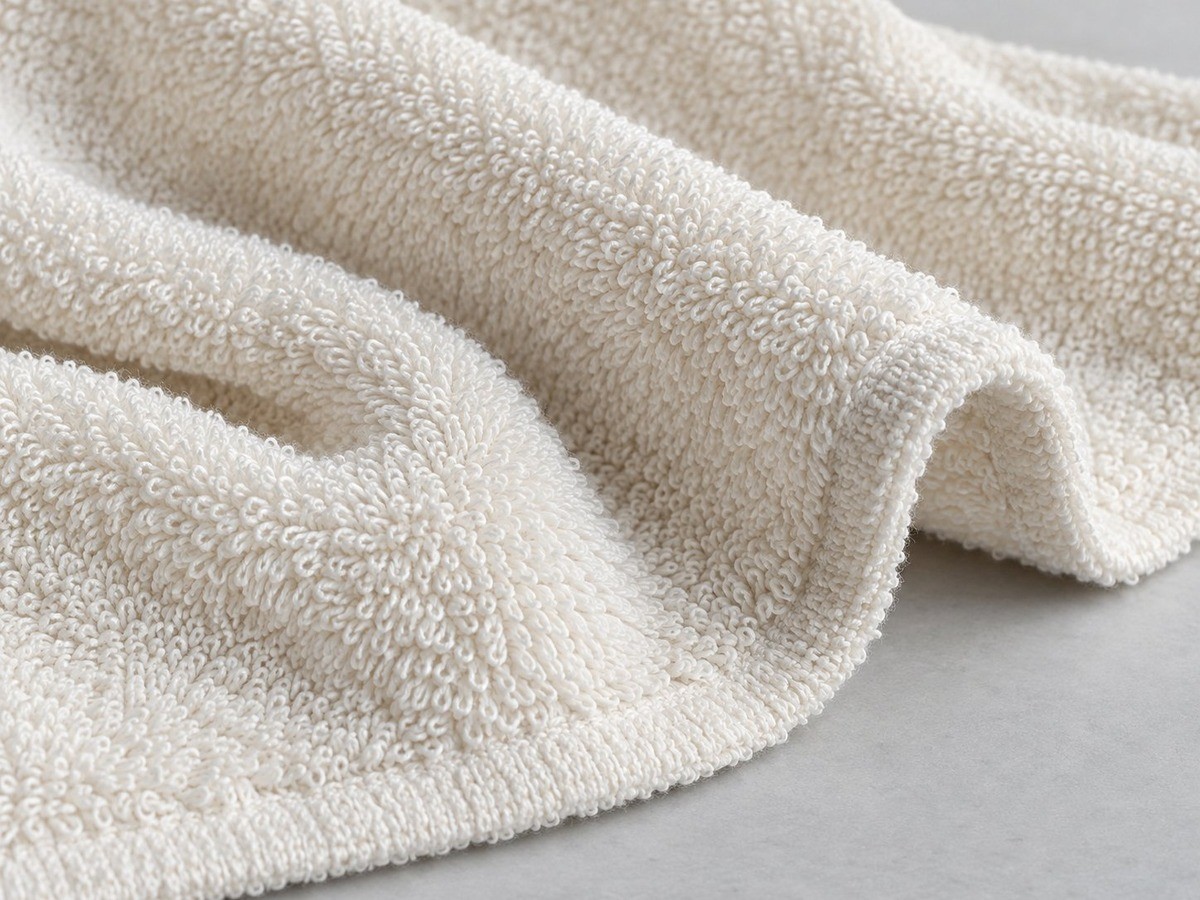
Cotton terry is a familiar choice for a robe worn straight after bathing. Its looped pile construction creates a towel-like surface, while the cotton absorbs moisture from the skin. Together, these qualities make it a useful starting point for absorbent bathrobes.
A fuller terry gives a robe a substantial, enveloping feel, with extra weight once it has taken up water. A lighter terry can be easier to move around in while getting ready. The choice is between a generous towel-like wrap and a less bulky everyday bathrobe.
Cotton Waffle
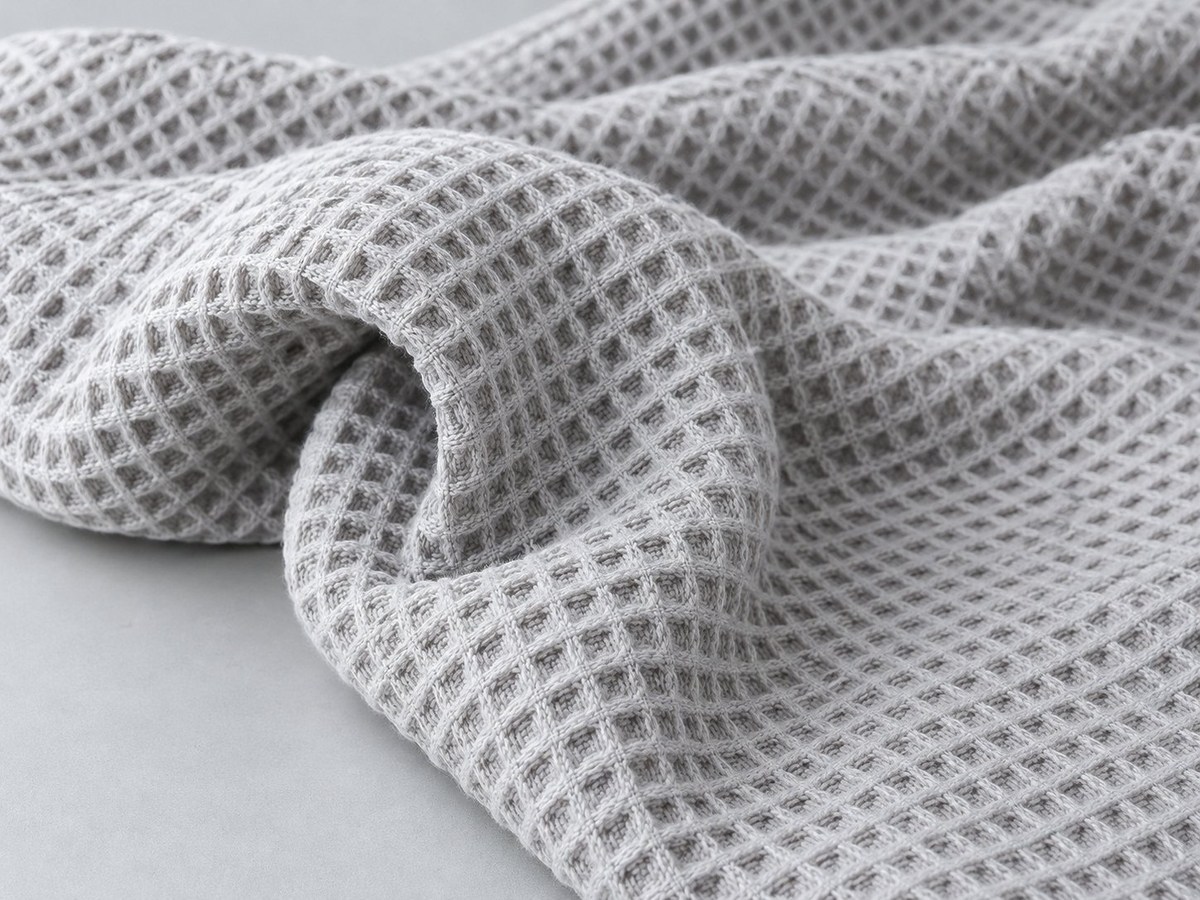
Cotton waffle has a recessed, honeycomb-like texture that gives robes a recognizable spa appearance. A lighter version is useful when you want a textured robe with less fullness than a heavy terry design. It can suit changing areas, treatment breaks or relaxed homewear.
A spa garment worn between treatments may mainly need comfortable coverage, while a post-shower robe needs to handle moisture. For the latter, compare the actual waffle fabric's absorbency and drying performance with the terry alternative. A honeycomb texture does not automatically mean that a robe will dry quickly.
Best Fabrics for Lightweight Lounge Robes
Lightweight Cotton and Cotton Gauze
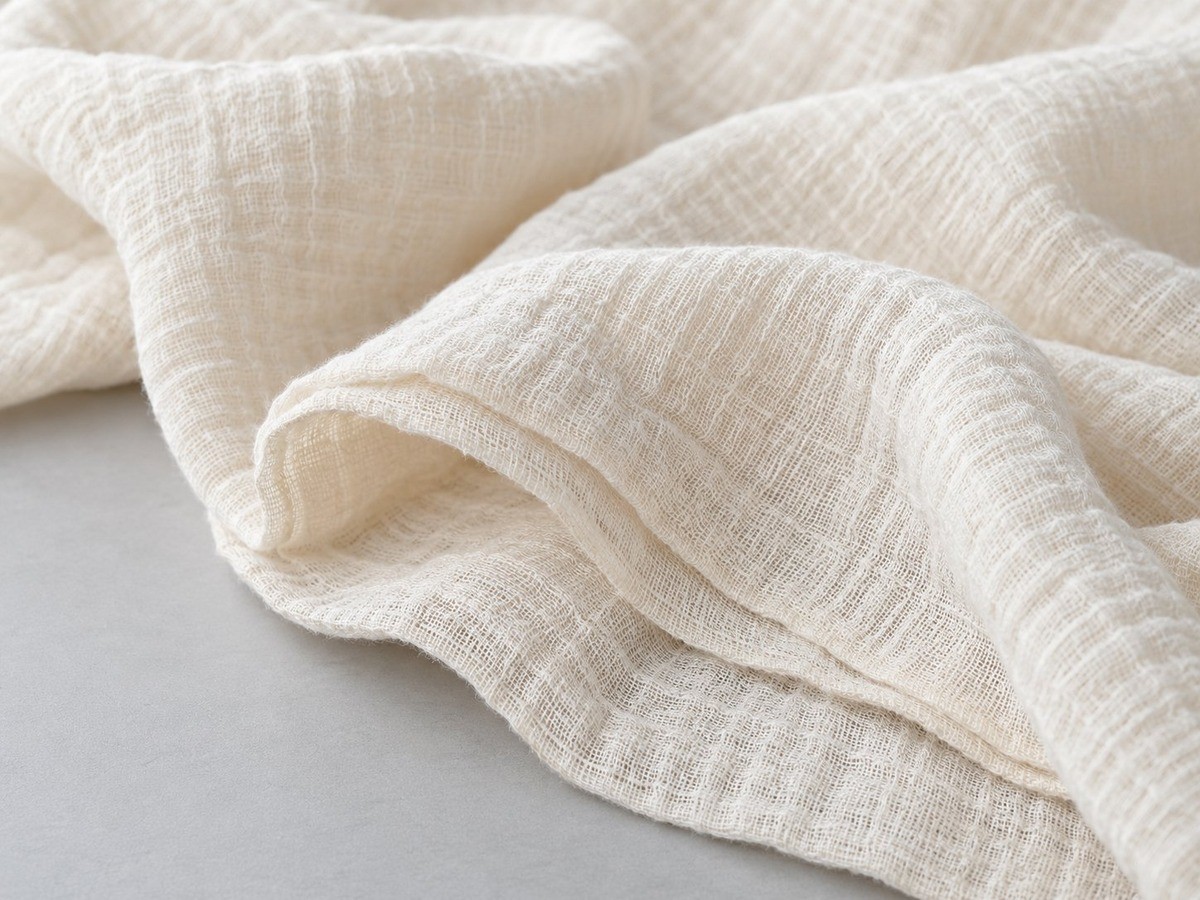
Lightweight cotton wovens suit everyday robes with a familiar, understated feel. A smooth cotton fabric gives piping, pockets and printed designs a clear surface, while cotton gauze brings a softer, more textured appearance.
Gauze works particularly well with relaxed silhouettes where some surface irregularity belongs to the look. A smoother woven cotton offers a cleaner outline around collars and cuffs. With either direction, very light fabrics need enough coverage for the intended garment, especially in pale colors or styles with wide sleeves and loose front panels.
Linen and Linen Blends
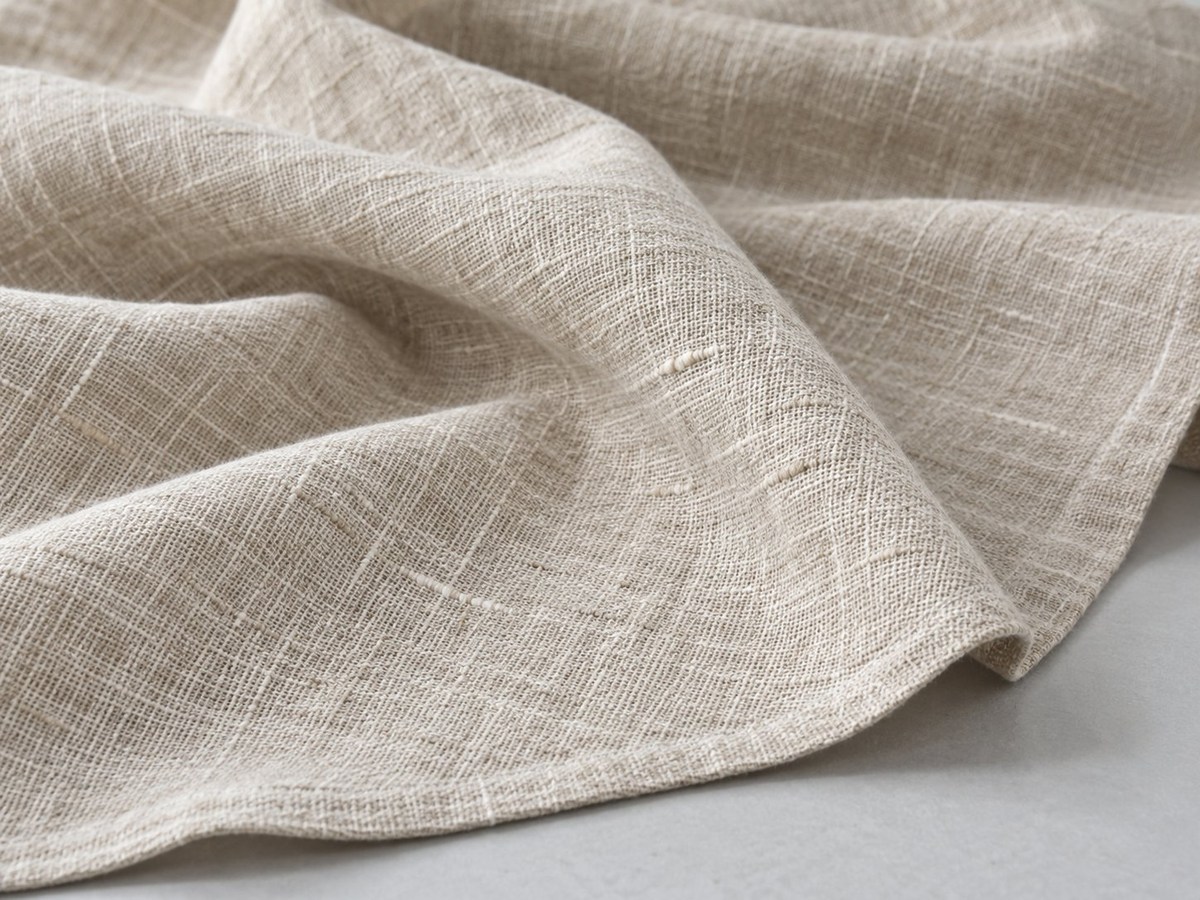
Linen brings visible yarn texture and a dry hand feel to lightweight dressing gowns. It is a useful direction for a relaxed summer or resort-inspired range, particularly when you want a matte appearance and a robe that looks less fluid than satin.
Creasing is part of linen's character. For a casually washed look, those folds may fit the collection; for a consistently smooth finish, they create more upkeep. Linen blends offer further options, with cotton, viscose or other fibers changing the balance of texture, softness and drape.
Modal and Bamboo Viscose Jersey
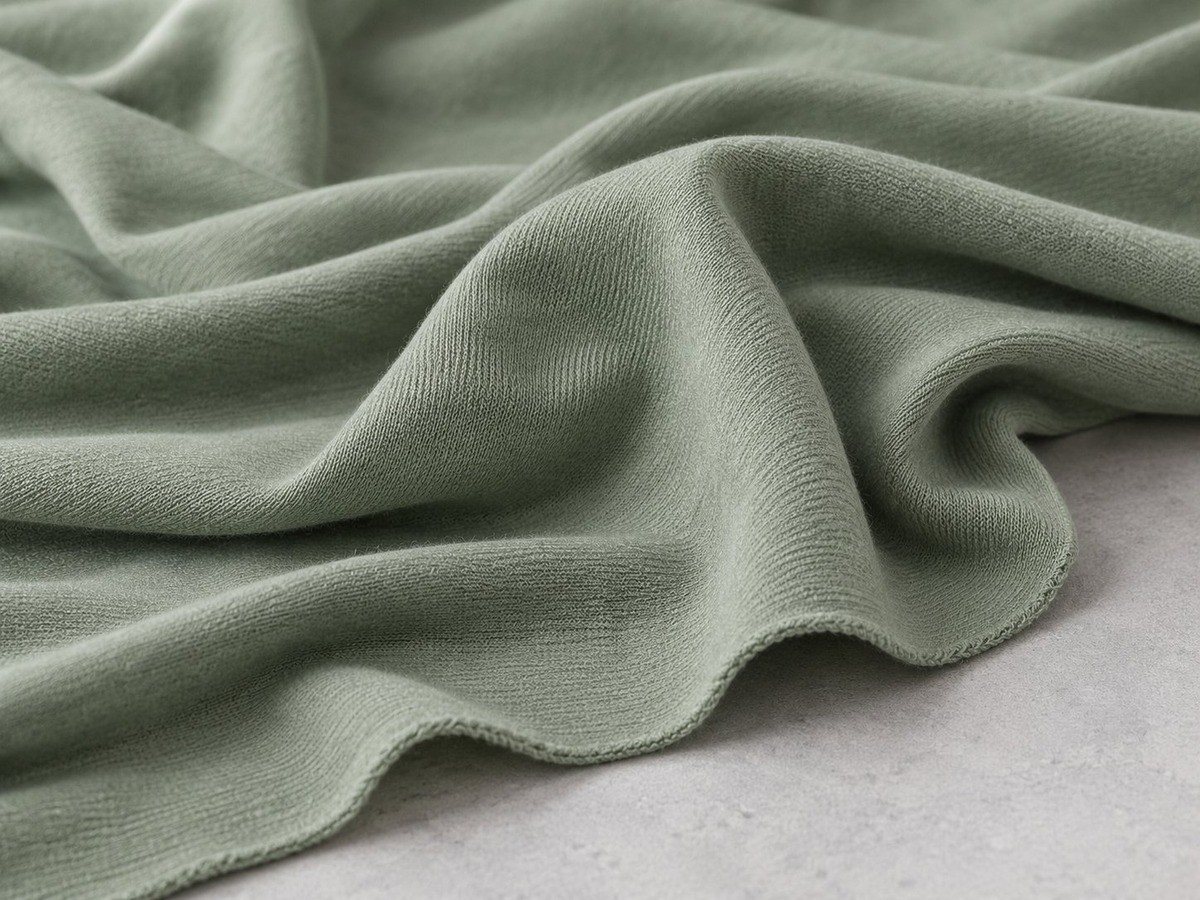
Modal and bamboo viscose jerseys are useful for soft robes that accompany pajamas or loungewear. These knits can fall close to the body and move easily with the wearer, creating a different silhouette from crisp cotton or full terry.
A fluid jersey robe can continue the feel of a camisole set or relaxed pajama range, with piping or a shared print connecting the garments. Added elastane can contribute stretch and recovery. For a longer robe, the fabric needs enough body to hang smoothly around the pockets and belt without looking stretched out.
Best Fabrics for Bridal and Dressier Robes
Silk Satin
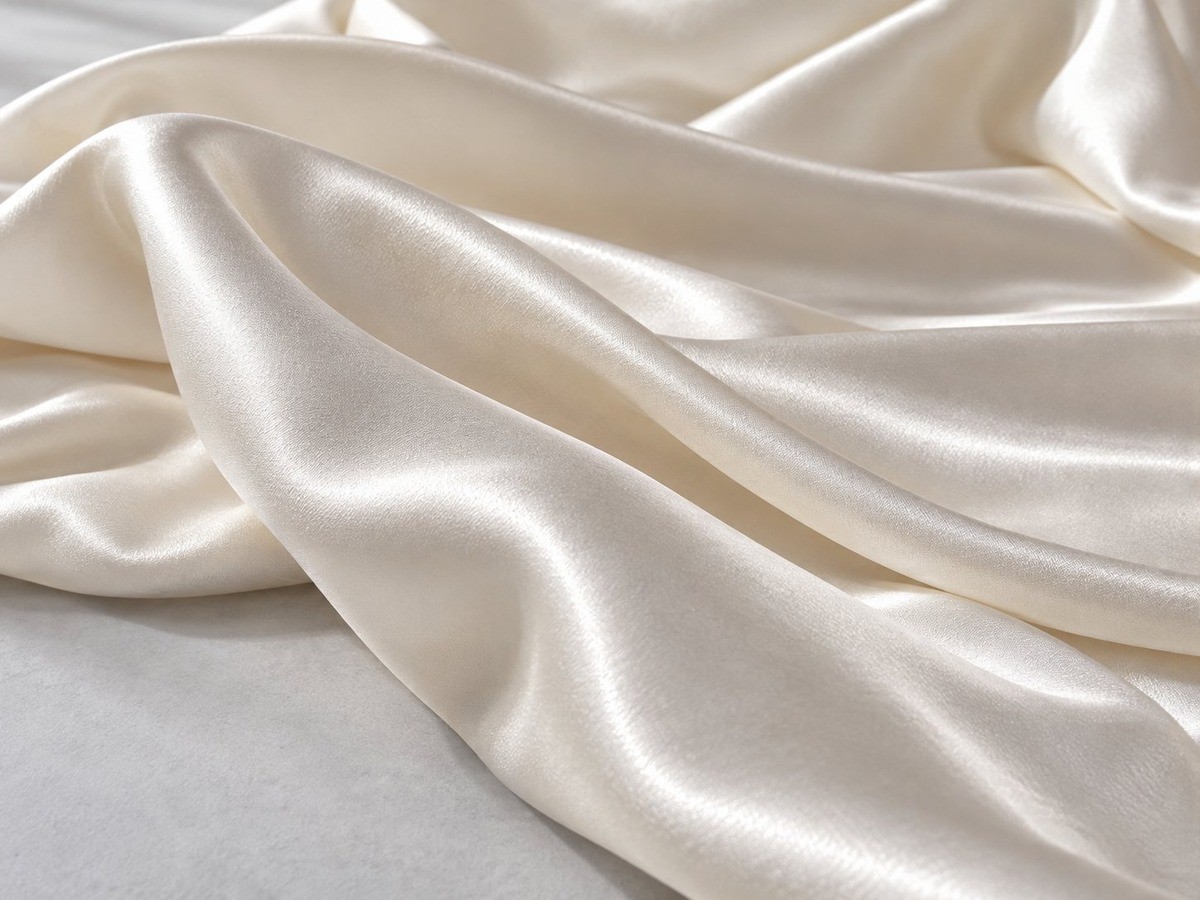
Silk satin suits robes where a smooth surface, sheen and flowing appearance are central to the design. It offers a clear direction for premium dressing gowns and getting-ready pieces, particularly with simple silhouettes that let the fabric remain the main feature.
The satin weave uses long yarn floats to create a smooth, lustrous surface with fluid drape. That exposed surface can be vulnerable to snagging, and seam slippage also deserves attention. Silk satin is therefore better suited to a collection whose customers are comfortable with a more delicate garment and its care requirements.
Polyester Satin
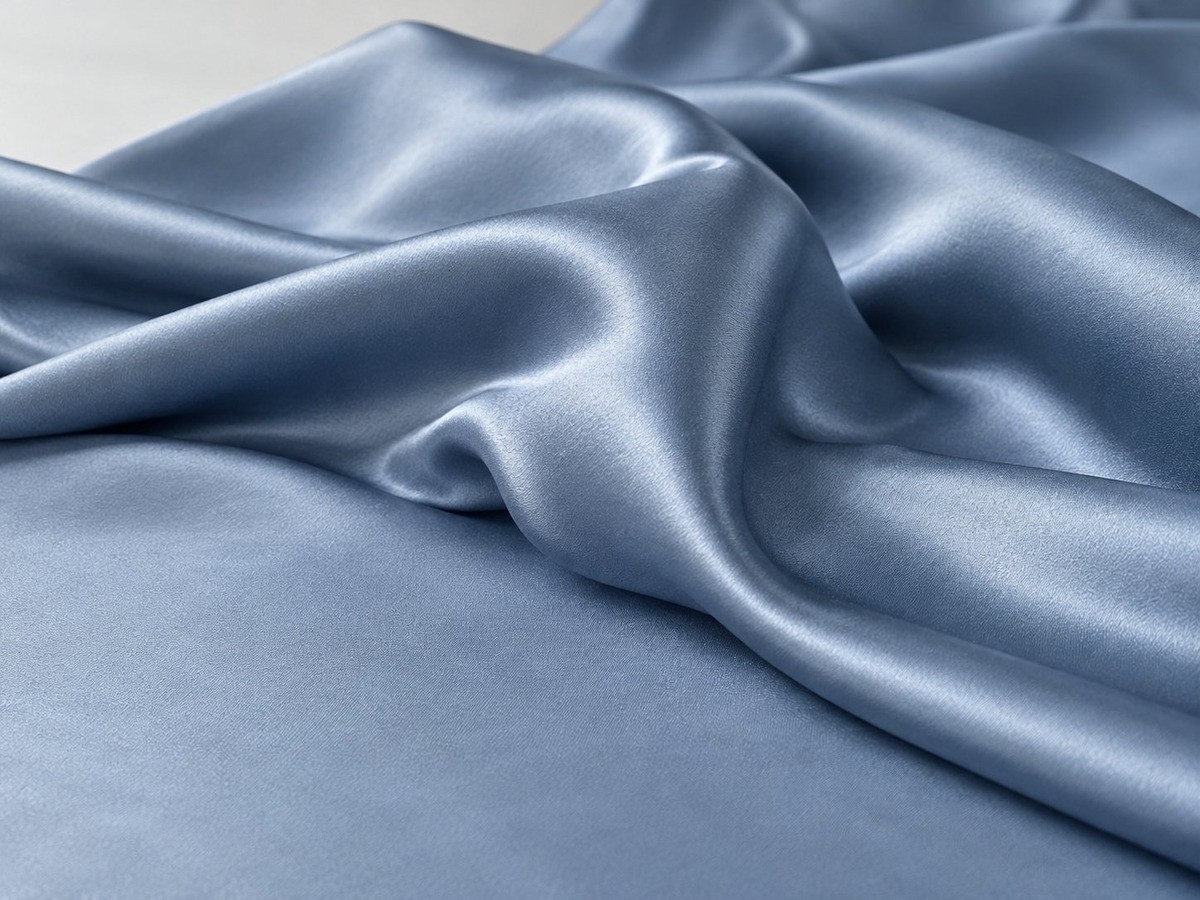
Polyester satin provides another route to a glossy robe, often at a lower fabric cost than silk satin. This can make it a practical option for coordinated bridal groups, printed collections and dressier lounge ranges with a more accessible target price.
The feel deserves close comparison. Two polyester satins may differ noticeably in softness, stiffness, sheen and how readily they cling. A highly reflective surface creates a stronger visual effect, while a softer luster gives a quieter result. Those differences can change the character of a robe as much as the color or trim.
Best Fabrics for Warm Winter Robes
Polyester Fleece and Plush
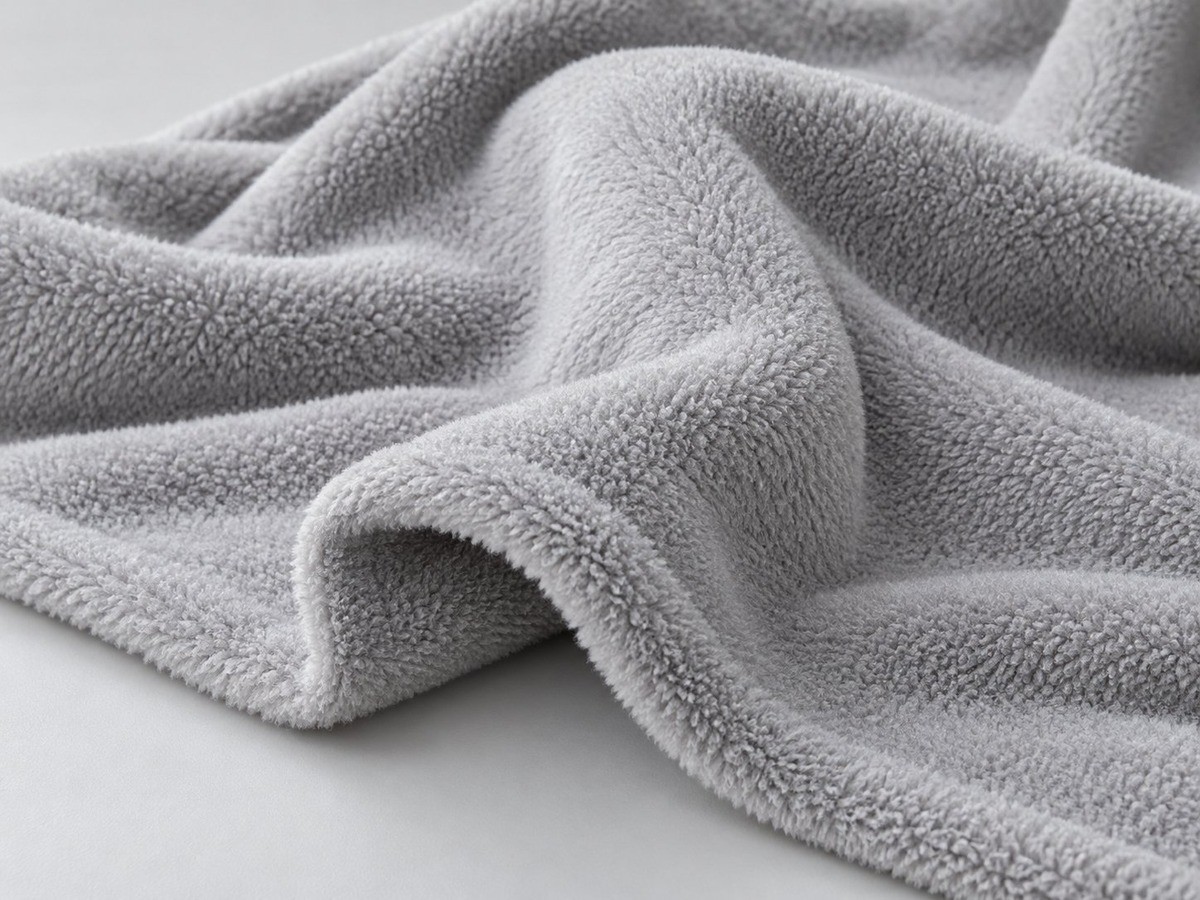
Polyester fleece and plush fabrics suit robes intended as cozy layers over sleepwear. Their raised surfaces help trap insulating air, creating warmth with a soft, full feel. They fit winter lounge collections where warmth takes priority over post-bath absorbency.
Pile height changes the garment's appearance as well as its volume. A shorter pile gives a neater outline, while a deeper plush surface makes collars, cuffs and pockets look fuller. This extra volume also affects fit: a winter robe needs room for the pajama set underneath.
Cotton Flannel
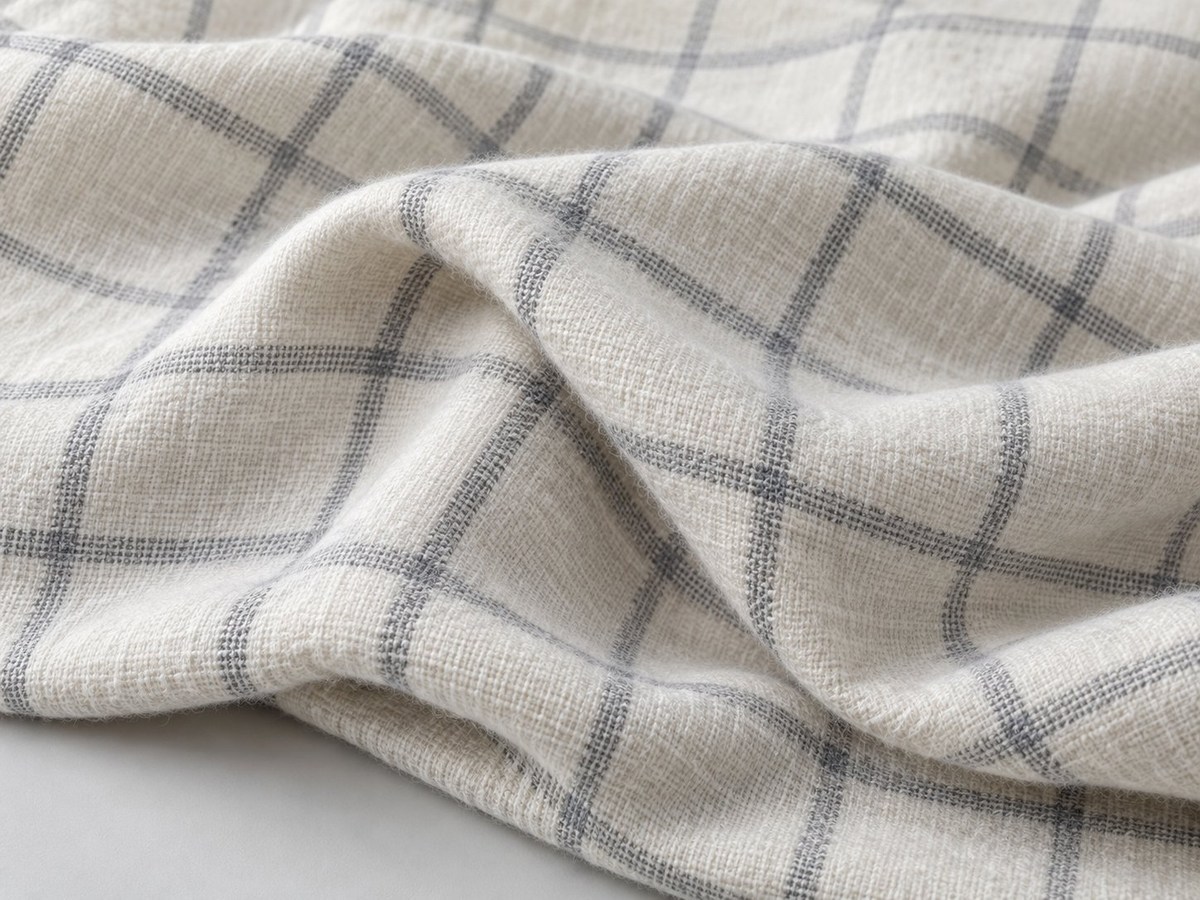
Cotton flannel offers a brushed winter option with the appearance of a woven dressing gown. The raised surface gives it a softer touch than a comparable unbrushed cotton, making it useful for traditional checks, stripes and understated solid colors.
It suits a collection that calls for a warm, brushed feel with less of the deep-pile appearance of plush. The amount of brushing and the fabric weight influence that balance. Surface wear and changes after washing are worth considering alongside the initial softness.
How to Choose the Right Fabric for Your Robe Collection
Weight, Drape and Coverage
GSM means grams per square meter: the weight of a given area of fabric. It is useful for comparing candidates, but it does not describe the finished robe's weight, thickness or quality on its own. A long robe uses more fabric than a short version, and a broad shawl collar adds more material around the upper body.
Consider the outline you want as well. A fluid fabric gathers softly under a belt, while a fabric with more body holds a clearer shape. Look at front overlap and coverage while the garment moves, especially with fine jerseys and lightweight wovens. Our guide to different robe styles explores how collars, closures and lengths change the garment.
Care and Wash Performance
A robe intended for frequent home washing needs to keep its appeal beyond the first wear. The care routine should also fit the product's positioning: customers may accept gentler handling for a special silk robe but expect a simpler routine for an everyday cotton dressing gown.
Compare samples before and after washing for changes relevant to the fabric: dimensions, color, hand feel, surface appearance and shape. For terry, include moisture absorption; for a raised surface, consider pilling or shedding. Use the full garment to assess how the fabric, seams, trims and belt behave together.
Hotel and spa bathrobes may face a different washing and drying routine from homewear. Share those conditions during development so suitable fabrics and any required testing can be discussed against the actual brief.
Fabric Cost and Finishing
Compare fabric prices against the same requirements: composition, usable width, weight, color or print, finishing and order quantity. A lower price per meter may offer little saving if the fabric is narrower or the design uses more material to achieve the intended coverage.
Include decorative details in that comparison. Dense embroidery may feel heavy on a fine jersey, while a long pile can obscure small stitched details. A print, piping color or lace trim should work with the fabric's surface and drape. Reviewing these together helps establish a realistic sample and target cost.
FAQs
Is a higher GSM always better for a robe?
No. A heavier fabric may suit a substantial bathrobe but feel excessive in a summer lounge robe. Compare weights within the same fabric category and intended use.
Can satin robes be machine washed?
Some can, but satin alone does not establish washability. Confirm the fiber content, finishing and trims, then base the care instructions on the finished garment's tested performance.
Can you use the same fabric for pajamas and robes?
Yes, if it provides suitable coverage, drape and wash performance for both garments. A robe's length, sleeves and belt may place different demands on a lightweight fabric than a pajama top does.
What fabric details should you confirm before requesting a robe sample?
Confirm the composition, construction, target weight, color or print and intended care routine. A reference swatch is also useful for communicating the hand feel you want.
Conclusion
Choose the fabric around the experience you want the robe to deliver. A clear brief—who will wear it, when and how it should feel—makes it easier to judge whether a sample belongs in your collection.
Share your robe references, intended use and fabric preferences with our team. KoalaPurr can help you explore sourcing and sampling options for your custom robe collection.