How to Start a Pajama Business: A Practical Guide for New Brands
Starting a pajama business can look simple from the outside: choose a few designs, find a supplier, build a website and start selling. In practice, the decisions you make before your first production order usually matter much more than the launch itself.
Your target customer affects your fabric choice. Your fabric affects your product cost. Your number of styles and colors affects your inventory. And your retail price needs to make sense before you commit to production.
This guide walks you through the practical steps of starting a pajama brand, from choosing your niche and planning your first collection to sampling, manufacturing, pricing and launch.
1. Choose Your Pajama Niche and Business Model
Before thinking about fabrics or manufacturers, you need to decide what kind of pajama business you are building. Two questions matter most at this stage: who are you selling to, and how customized do you want your products to be?
Choose a Clear Pajama Niche
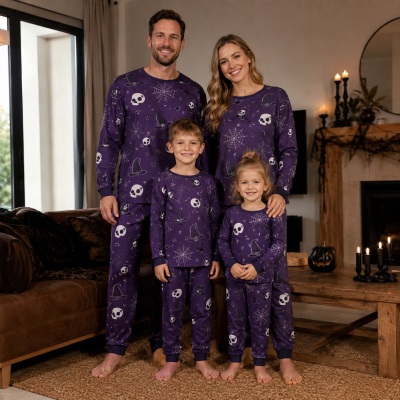
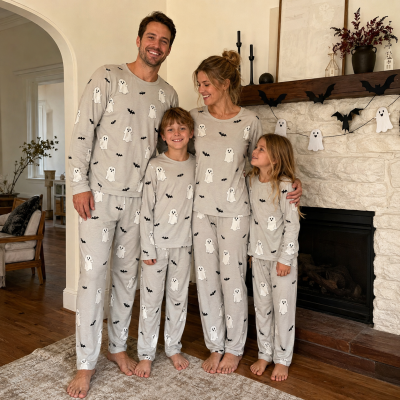
Instead of starting with a broad idea such as “I want to sell pajamas,” think about the customer and occasion you want to serve. Your collection might focus on premium modal pajamas, bamboo sleepwear, matching family pajamas, women's loungewear, maternity styles, bridal sets or children's sleepwear.
A narrower starting point usually makes product development and branding easier. It also helps you avoid investing in too many unrelated products before you know what customers actually want from your brand.
Decide How You Will Source Your Products
The sourcing model determines how much control you have over the final product.
| Business Model | Customization | Inventory Commitment | Suitable For |
|---|---|---|---|
| Print-on-demand | Low | Very low | Testing simple printed concepts |
| Ready-made wholesale | Low | Low–medium | Quick resale businesses |
| Private label | Medium | Medium | Brands wanting their own identity |
| Custom manufacturing | High | Medium–high | Brands developing original products |
If product differentiation is important, private label or custom manufacturing gives you more control over fabric, fit, colors, construction and branding. The trade-off is that you will spend more time on product development before launch.
2. Plan Your First Pajama Collection
Your first collection does not need to look like an established sleepwear brand with dozens of products. A smaller, more focused range is usually easier to develop, finance and learn from.
Start by looking at brands selling to a similar customer. Compare their price range, fabrics, popular styles and customer reviews. Reviews are especially useful because they can reveal recurring frustrations such as pajamas being too warm, too sheer, too short, uncomfortable around the waistband or inconsistent in sizing.
Keep in mind how quickly inventory grows when you add options. Three styles in three colors and five sizes already create 45 SKUs. For a first launch, one strong pajama set in a few colors plus one complementary product may give you enough variety without spreading your budget across too much inventory.
The goal is not to offer everything from day one. It is to build a collection clear enough for customers to understand what your brand is about.
3. Choose Fabrics and Develop Your Pajama Designs
Fabric and design need to be considered together. A style that works well in a fluid modal knit may behave very differently in a structured cotton woven fabric, so material selection should happen early in development.
Choose a Fabric That Fits the Product
Different fabrics create different wearing experiences.
| Fabric | Typical Characteristics | Common Use |
|---|---|---|
| Cotton | Breathable, familiar, versatile | Everyday pajamas |
| Modal | Soft, smooth, fluid | Premium knit sleepwear |
| Bamboo viscose | Soft with a smooth handfeel | Lightweight pajamas |
| Viscose | Fluid with good drape | Women's sleepwear |
| Satin | Smooth, polished appearance | Fashion-led sleepwear |
| Flannel | Warm and soft | Winter pajamas |
There is no single best fabric for every pajama brand. The right choice depends on your customer, style, season, target price and the way you want the garment to feel.
Turn Your Design Into a Manufacturable Product
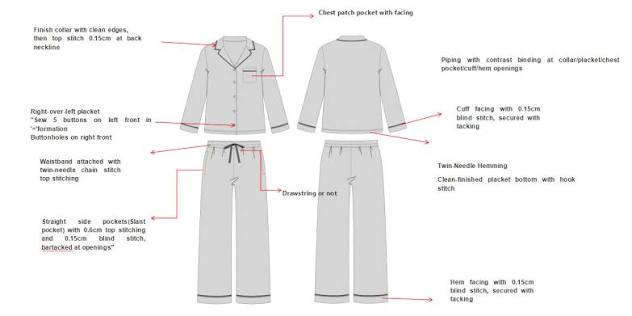
Once you have a clear product and fabric direction, the manufacturer needs enough information to turn that idea into a sample. You might begin with a tech pack, sketch, reference images, an existing garment or a physical sample.
A full tech pack can make complex development easier, but you do not always need one before speaking with a manufacturer. What matters most is making the important details—such as fit, measurements, construction and fabric expectations—clear enough to avoid unnecessary guesswork.
A typical process is:
Idea or Reference → Fabric Selection → Pattern Making → Sample → Fitting & Revision → Final Approval
The important part is making your expectations clear enough that the sample can be evaluated against something specific instead of relying on vague descriptions such as "loose fit" or "premium quality."
4. Work Out Your Startup Budget and Pricing
There is no single useful answer to how much it costs to start a pajama business. A simple private-label collection and a fully custom sleepwear line can require very different levels of investment.
Two financial questions matter before you order inventory: how much cash will you need to launch, and can the product be sold at a price that leaves a workable margin?
Estimate Your Startup Costs
Your budget may include product development, samples, initial inventory, labels, packaging, freight, photography, website setup and marketing.
The size of the collection makes a major difference. Custom prints, specially dyed fabrics, unique trims and additional sampling rounds can also increase development costs before bulk production even begins.
This is why budgeting should happen alongside collection planning rather than after the designs have already been finalized.
Work Backward From Your Target Selling Price
The factory quotation is not necessarily your final product cost. Packaging, freight, duties, testing, inspection and fulfillment may all affect what it costs to put one finished product in stock.
Your expected retail price should therefore influence product development from the beginning. If your target customer is likely to pay around $60 for a pajama set, your material and construction choices need to support a cost structure that works at that selling price.
A simple starting calculation is:
Gross Margin = (Selling Price − Cost of Goods Sold) ÷ Selling Price × 100
You do not need perfect numbers during the first design conversation, but you should know whether the product is moving toward a commercially realistic cost.
5. Find the Right Pajama Manufacturer
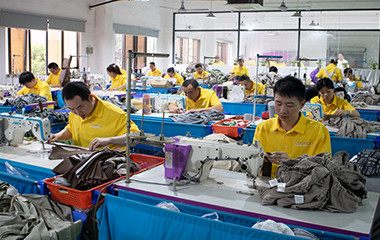
Finding a pajama manufacturer is not simply about asking several factories for their lowest price.
You need a supplier whose capabilities match the type of product you are developing.
A manufacturer that regularly works with sleepwear will usually be more familiar with the fabrics, fits, trims and construction methods used in pajamas and loungewear. Development support also matters if this is your first collection.
Ask how the factory handles fabric sourcing, pattern development, sampling, private labels, packaging and quality control. You should also understand how its MOQ works and whether the minimum applies by style, color or fabric.
Communication during development is just as important as production capacity. If fabric availability, measurements or construction details change, you need a supplier that raises the issue before bulk production rather than after.
This is why comparing manufacturers only by unit price can be misleading. A slightly lower quotation may not save money if you later need additional sampling rounds, remake defective products or deal with inconsistent fit.
6. Sample Your Pajamas Before Bulk Production
Sampling serves two different purposes: it helps you improve the product, and it tells you whether the final design is ready to justify a bulk order.
Sample Before You Commit to Bulk Production
Sampling is where your idea becomes a real product. The first sample helps you check whether the fit, measurements, fabric, trims and construction work together as expected.
Try the sample on the intended body type or fit model, and check key details such as sleeve length, rise, waistband comfort, button placement and overall proportion.
Fabric performance should also be tested. Depending on the material, washing may affect shrinkage, softness, twisting, stretch recovery or appearance.
Revisions are normal. The goal is not to approve the first sample as quickly as possible, but to solve problems before moving into bulk production.
Consider MOQ at the Same Time
MOQ should be reviewed alongside sampling and collection planning. A low MOQ may sound attractive, but what matters is how it applies to each style and color.
For example, if every colorway has its own minimum, adding too many colors can quickly increase your total inventory.
7. Prepare for Bulk Production
Once the final sample is approved, the project moves from development into bulk production.
Before production begins, confirm the fabric, colors, measurements, trims, labels and packaging against the approved sample. These details should be finalized before the order reaches the production line.
For branded sleepwear, labeling and product requirements vary by market. Children's sleepwear, in particular, may be subject to additional safety or testing standards.
Plan your launch date before production begins. Ask your pajama manufacturer for an estimated production timeline and allow enough time for shipping.
8. Launch, Learn and Improve Your Next Order
Your website and marketing should make the product easy to understand before a customer can touch it. Clear photography, size information, fabric details, fit descriptions and care instructions can answer many of the questions that would otherwise make someone hesitate before buying.
Once the collection launches, customer behavior becomes one of your most useful sources of product information. Watch which styles, colors and sizes sell fastest, but also pay attention to return reasons and repeated comments about fit, comfort or fabric.
Your first production run does not need to prove that every original decision was correct. Its real value is helping you make the second order with better information.
Common Mistakes When Starting a Pajama Business
Some mistakes are especially common in a first collection:
- Launching too many styles or colors. More options create more development work and more inventory.
- Choosing fabric only from photos. Handfeel, weight, stretch and drape are difficult to judge from an image.
- Choosing a manufacturer only by price. Development support and consistency can matter more than a small unit-cost difference.
- Approving a sample too quickly. Small fit or construction issues become much more expensive once repeated across a full order.
- Ignoring landed cost. Your selling price needs to cover much more than the factory quotation.
Frequently Asked Questions
Is a pajama business profitable?
It can be profitable, but profitability depends on your product margin, inventory turnover, customer acquisition costs and return rate.
How much does it cost to start a pajama business?
There is no fixed amount. Your startup cost depends on your product range, MOQ, fabrics, customization, inventory and launch expenses.
How many pajama styles should I start with?
Start with a focused collection rather than too many styles. A smaller range makes it easier to test demand and manage inventory.
Do I need a tech pack to start a pajama brand?
Not always. You can also begin with sketches, reference images or a physical sample, although a tech pack is helpful for more customized designs.
How do I find a pajama manufacturer?
Search for specialized pajama manufacturers through Google or sourcing platforms, then compare their sleepwear experience, sampling support, MOQ, quality control and communication before choosing one.
How long does it take to manufacture custom pajamas?
Sample development typically takes around 7–14 days, while bulk production may take around 25–35 days. More complex fabrics or processes can take longer.
Conclusion
Starting a pajama business becomes easier when you make the major product decisions in the right order. Define who you want to sell to, keep the first collection focused and understand your costs before committing to inventory.
Use sampling to solve fit, fabric and construction issues before they reach production, then treat your first launch as a source of real customer feedback rather than the finished version of your brand.
If you already have a pajama idea, reference image or initial design, KoalaPurr can help turn it into a workable product through fabric sourcing, sampling, private labeling and custom sleepwear manufacturing.