Modal vs Viscose vs Lyocell: What Is the Difference?
Sleepwear comes in many different fabrics, from crisp cotton wovens to smooth satin and soft jerseys. Modal, viscose and lyocell are also common choices, especially for pajamas and loungewear with a soft touch and flowing drape.
Because these three fibers can produce fabrics that look and feel similar, it is easy to confuse them. Understanding how they are made and how they differ in wear and washing can help you tell them apart and choose the right option for your collection.
What Are Modal, Viscose and Lyocell?
Modal, viscose and lyocell belong to the same family of regenerated cellulose fibers. They start with plant-derived cellulose, which is processed into new fibers and then made into yarn and fabric. Viscose is also commonly sold under the name rayon.
- Modal is a modified viscose fiber known for its soft, smooth feel and improved wet strength. It is especially familiar in knit pajamas, underwear and loungewear.
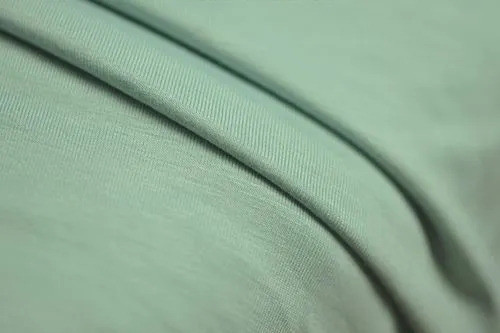
- Viscose is widely used for its softness and fluid drape. It appears in both woven and knitted fabrics, from printed pajama sets and robes to sleep tees and dresses.
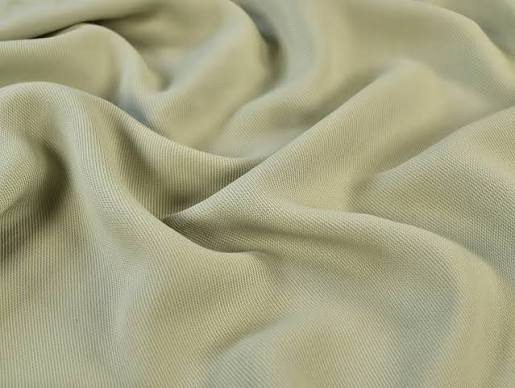
- Lyocell is produced through a different cellulose-dissolving process. It combines a smooth feel with good fiber strength in dry and wet conditions and is used in both knits and wovens.
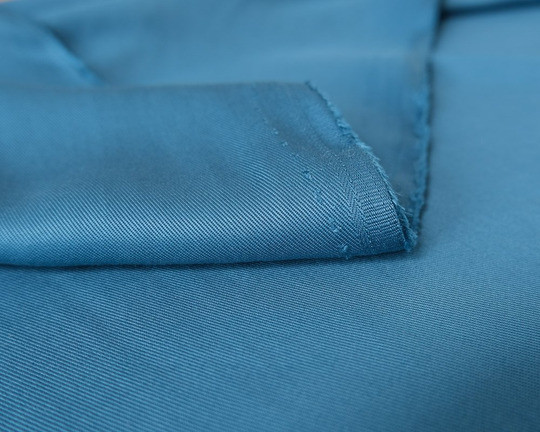
Modal vs Viscose vs Lyocell: A Quick Comparison
| Comparison | Modal | Viscose | Lyocell |
|---|---|---|---|
| Production route | Modified viscose process | Conventional viscose process | Direct cellulose dissolution |
| Common feel | Soft and smooth, especially in fine knits | Soft with a fluid drape | Smooth, from supple jersey to wovens with more body |
| Wet fiber strength | Higher than conventional viscose | Lower than modal and lyocell | Generally high among regenerated cellulose fibers |
| Common apparel uses | Knit pajamas, underwear and soft lounge sets | Dresses, printed pajamas, sleep dresses and robes | Shirts, relaxed pants, sleepwear and lounge sets |
These are broad tendencies rather than fixed fabric specifications. Yarn, weight, construction, blends and finishing also affect the result: a light viscose woven and a heavier modal jersey will feel different for more than one reason.
How Are Modal, Viscose and Lyocell Made?
Viscose and modal follow related production routes. In conventional viscose production, cellulose is chemically treated to create a spinning solution, then regenerated into fiber. Modal uses changes to the solution and spinning conditions to produce fibers with improved wet strength.
Lyocell production uses a solvent to dissolve cellulose directly. The solution is spun into fibers, and the solvent is recovered for reuse. This direct-dissolution process is the main manufacturing distinction between lyocell and the other two fibers.
How Do They Compare in Everyday Wear?
Softness and Drape
All three are used for soft clothing, but they appear in different kinds of fabrics. Modal is particularly familiar in fine knits with a smooth surface and a gentle, body-skimming fall. This is the feel often associated with soft sleep tees, underwear and lightweight lounge sets.
Viscose is equally at home in flowing woven styles. A button-front viscose pajama set can have the familiar shape of a shirt-and-trouser set while falling softly around the body. Viscose jersey brings that fluid feel to casual tops and sleep dresses.
Lyocell offers a wide range of looks. A light jersey can feel supple against the skin, while a woven quality with more body can give a loose shirt or wide-leg trouser a fuller outline. Its use extends from sleepwear into everyday clothing.
Strength and After-Wash Appearance
One of the clearest differences is wet fiber strength. Conventional viscose loses more strength when wet, while modal and lyocell generally have higher wet strength. That difference is relevant during washing, when moisture is combined with movement and friction.
Wet strength does not describe everything that happens in the wash. A pajama top can remain strong yet become shorter, or keep its dimensions while developing surface fuzz. Shrinkage, twisting and pilling are separate aspects of how the finished fabric wears over time.
Breathability and Moisture Comfort
Modal, viscose and lyocell all absorb moisture, which helps explain their popularity in clothing worn close to the skin. Soft jerseys and lightweight wovens made from these fibers are common in warm-weather sleepwear.
Absorbency and airflow contribute to comfort in different ways. The fibers can take up moisture, while spaces between the yarns allow air to move through the fabric. A more open weave leaves more of that space, whereas higher yarn density can reduce airflow. Absorbing perspiration also does not necessarily mean a fabric dries quickly.
Which Should You Choose for Pajamas and Loungewear?
Modal suits collections built around soft knit comfort. It is a natural fit for sleep tees, fitted lounge tops and easy pajama sets. Modal-elastane knits add stretch and recovery for styles that need to follow the body more closely.
Woven viscose suits loose, flowing sleepwear. It is often used for printed button-front sets, nightdresses and robes where movement and drape are part of the design. The woven construction gives these garments a different look from a jersey set without making them feel crisp or rigid.
Lyocell works across sleepwear and everyday lounge dressing. A woven lyocell fabric with some body can suit relaxed shirts and trousers, while soft lyocell knits can work for sleep tops and lounge sets. Its wet fiber strength is another reason it enters the comparison with conventional viscose.
Cost is also part of the choice. Fiber source, yarn, weight, width, dyeing, finishing and order quantity all affect a fabric quotation. A readily available stock fabric and a specially developed quality can have very different prices, even when their fiber content is the same.
FAQ
Is TENCEL™ the Same as Lyocell?
No. TENCEL™ is Lenzing's fiber brand and includes both lyocell and modal fibers. TENCEL™ Lyocell and TENCEL™ Modal identify specific branded fibers; lyocell and modal are the generic fiber names.
Can Modal, Viscose and Lyocell Fabrics Stretch Without Elastane?
Yes. Knitted fabrics can stretch as their loops move, and some specially engineered wovens also provide stretch. Stretch and recovery are different, though: a fabric may extend easily without returning fully to its original shape.
Where Does Bamboo Viscose Fit in This Comparison?
Bamboo viscose is viscose made using bamboo-derived cellulose, so it belongs in the viscose group here. It is regenerated fiber, rather than fiber extracted directly from the bamboo plant.
Is Lyocell Always the More Sustainable Choice?
Not automatically. Solvent recovery is an advantage of lyocell production, but environmental impact also depends on raw-material sourcing, manufacturing, energy use and fabric finishing. The fiber name alone does not establish the environmental performance of a finished fabric.
Conclusion
Modal, viscose and lyocell give sleepwear different possibilities, from soft, body-skimming knits to flowing pajama sets and relaxed woven separates. The right choice brings together the feel, shape and wash performance you want for the collection.
If you are developing pajamas or loungewear, KoalaPurr can help you turn your fabric choice into a finished sample.