KoalaPurr is a loungewear manufacturer specializing in custom pajamas, lounge sets, and robes. We support fabric selection and sampling to private label production service.
Home / All
Blog
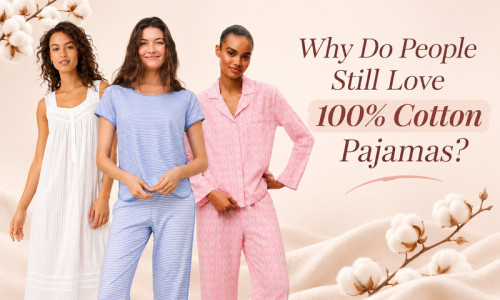
 Why Do People Still Love 100% Cotton Pajamas?Nov 2,2026Cotton still leads sleepwear preference: 72% of U.S. consumers surveyed in 2023 chose cotton for pajamas. This guide explains why cotton remains comfortable and familiar, how jersey, poplin, double gauze and flannel differ despite sharing one fiber, which construction details affect comfort, and what that preference means for sleepwear brands building cotton collections.
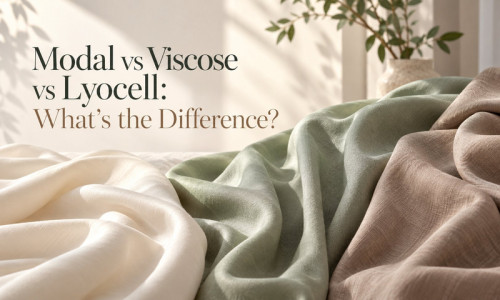
- Modal vs Viscose vs Lyocell: What Is the Difference?Oct 30,2026Modal, viscose and lyocell are all regenerated cellulose fibers, which is why they can look and feel alike. This guide compares how each one is made, how they behave in wear and washing, and which of them suits knit pajamas, flowing pajama sets and relaxed lounge styles.
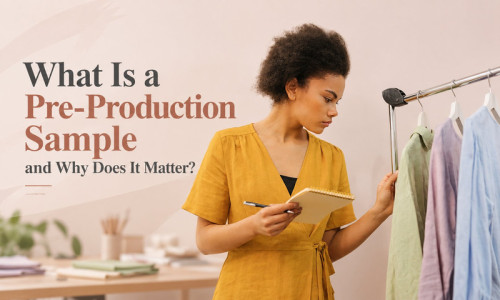
- What Is a Pre-Production Sample and Why Does It Matter?Oct 29,2026A pre-production sample (PP sample or PPS) is the garment made with the fabric, trims and construction intended for bulk production. This guide explains what it should include, why it matters, how it differs from proto, fit and TOP samples, what to check before approving it, and what happens after approval.
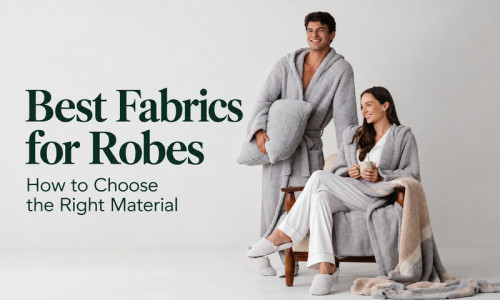
- Best Fabrics for Robes: How to Choose the Right MaterialOct 28,2026Robes do different jobs: absorb water after a shower, add a light layer over pajamas, or keep the wearer warm. This guide compares cotton terry, waffle, lightweight cotton and gauze, linen, modal jersey, silk and polyester satin, fleece and cotton flannel, and explains how weight, drape, care and cost decide which one suits your collection.
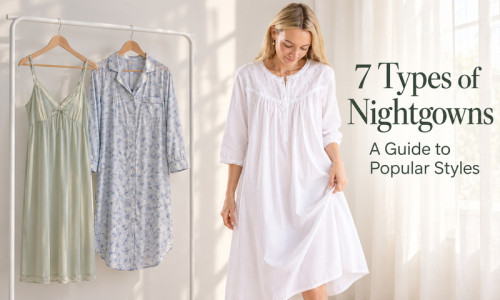
- 7 Types of Nightgowns: A Guide to Popular StylesOct 27,2026Nightgowns range from simple chemises and flared babydolls to relaxed nightshirts, T-shirt gowns, Victorian-inspired designs, kaftans and muumuus. Learn how to recognize each style and compare the necklines, sleeves, lengths, pockets, fabrics and prints that give it character.
- Which Prints Work Best for Women’s Sleepwear?Oct 26,2026Stripes, florals, checks, polka dots and illustrated motifs give women's sleepwear very different personalities. This guide compares each print direction, then explains how color, scale, garment silhouette and the role of each design in a range affect the final choice.
- How Are Pajamas Manufactured? A Step-by-Step GuideOct 22,2026Pajama manufacturing moves a design through nine stages: confirming specifications, sourcing and testing fabric, pattern making and sampling, size grading, spreading and cutting, printing or embroidery, sewing, finishing and inspection, then matching and packing. This guide explains what happens at each stage and what brands should confirm before bulk production.
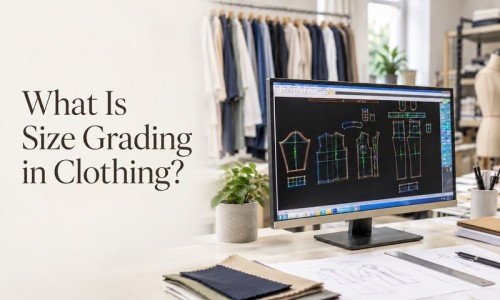
- What Is Size Grading in Clothing?Oct 21,2026Size grading turns one fitted base pattern into a full size range. This guide explains how grade rules work, how clothing patterns are graded step by step, what affects the results, and what brands should confirm before approving sizes for pajama and loungewear collections.
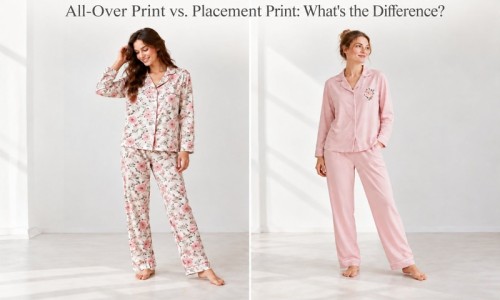
- All-Over Print vs. Placement Print: What Is the Difference?Oct 20,2026All-over print covers the fabric with a continuous pattern, while placement print puts one graphic in a chosen spot. This guide explains how each is produced, what they cost, and which suits pajama sets, loungewear, robes and nightdresses.
- How Do You Choose a Printing Method for Pajamas?Oct 19,2026Pajama printing starts with fiber content, then the artwork and the order size. This guide compares digital, screen, sublimation and DTF printing, explains all-over versus placement prints, and shows what to check in a printed strike-off before production.
- Do Lower Cotton Prices Mean Cheaper Custom Pajamas?Oct 17,2026Lower cotton prices in 2026 do not automatically mean cheaper custom pajamas. This guide explains why raw cotton costs take time to reach fabric quotations, how purchasing cycles and existing inventory affect pricing, and what sleepwear brands should check before requesting an updated quote.
- Woven Fabric Explained: How It’s Made and Why It Feels DifferentOct 16,2026Woven fabric is made by interlacing warp and weft yarns on a loom, which is why it holds its shape and feels the way it does. This guide explains how weaving works, how poplin, denim, chiffon and satin differ, what woven fabrics do less well, and where they fit in clothing and sleepwear.
Are you looking for a reliable sleepwear manufacturer for your brand?
From product development to bulk production, we provide custom sleepwear solutions with professional support for global brands.KoalaPurr is a loungewear manufacturer specializing in custom pajamas, lounge sets, and robes. We support fabric selection and sampling to private label production service.